Blogs

Blogs

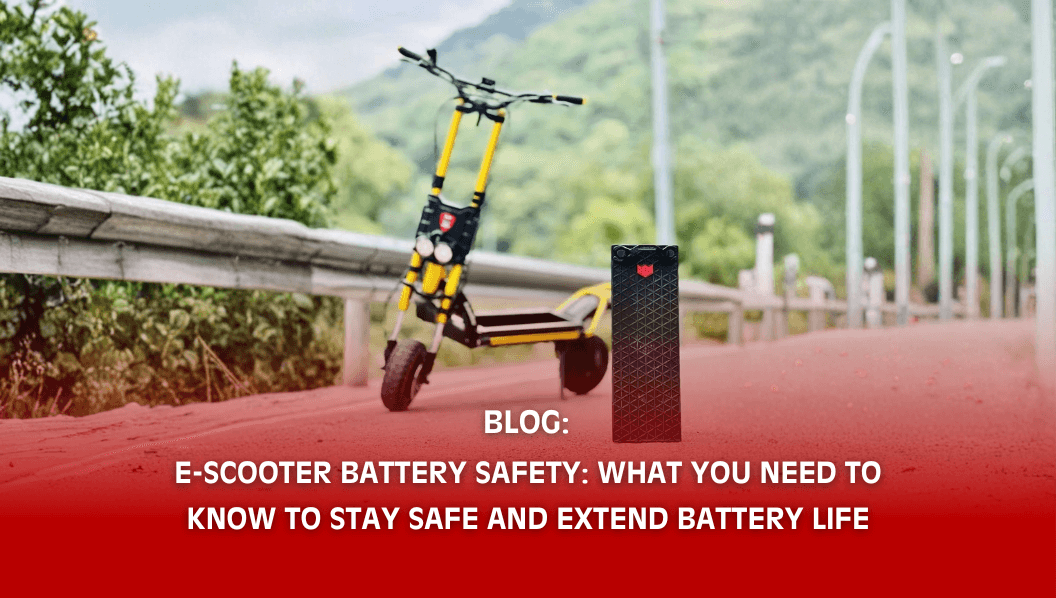
E-Scooter Battery Safety: What You Need to Know to Stay Safe and Extend Battery Life

E Scooter Battery Safety

E-Scooter Battery Safety: What You Need to Know

Electric scooters have quickly become one of the most popular choices for urban transportation. They’re eco-friendly, easy to maneuver, and a whole lot of fun. But while riders love the thrill and convenience, many forget the most crucial part of the machine — battery safety.

Understanding E-Scooter Battery Safety isn’t just about extending the lifespan of your scooter; it’s also about protecting yourself and others from potential hazards like overheating, fires, or battery degradation. In this detailed guide, we’ll unpack everything you need to know — from how lithium-ion batteries work to how to properly charge, store, and maintain them for maximum performance and safety.


Understanding the Heart of Your E-Scooter: The Battery

At the core of every electric scooter is its battery pack, most commonly made up of lithium-ion cells. These power units are efficient, lightweight, and deliver high energy density — perfect for compact vehicles like e-scooters.

However, lithium-ion technology, while powerful, comes with its own set of risks. If mishandled, charged incorrectly, or physically damaged, the battery can overheat or, in rare cases, catch fire — a phenomenon known as thermal runaway.

Thermal runaway happens when the temperature inside a battery cell rises uncontrollably, causing a chain reaction that can lead to ignition. But before you get spooked, remember — these incidents are extremely rare when batteries are properly handled and quality standards are met.

According to a report by the National Fire Protection Association (NFPA) in 2024, less than 0.01% of e-scooter batteries sold in the U.S. have experienced any thermal incidents, and most of those were due to unauthorized third-party chargers or poor-quality battery replacements.

So, the takeaway? The better you understand your e-scooter battery, the safer you’ll be.


Types of E-Scooter Batteries: What’s Inside Matters

Not all e-scooter batteries are created equal. Let’s look at the most common types and their key differences:

Battery Type Energy Density Weight Charge Time Lifespan (Cycles) Safety Level
Lithium-Ion (Li-Ion) High Light 4-6 hours 500–1000 High
Lithium Iron Phosphate (LiFePO4) Medium Moderate 3-5 hours 1500–2000 Very High
Lead-Acid Low Heavy 8-10 hours 300–500 Moderate
Graphene-based Lithium Very High Light 3-4 hours 2000+ Very High

Lithium-ion batteries are the industry standard, but newer LiFePO4 and graphene batteries are gaining popularity due to their improved safety and longevity.

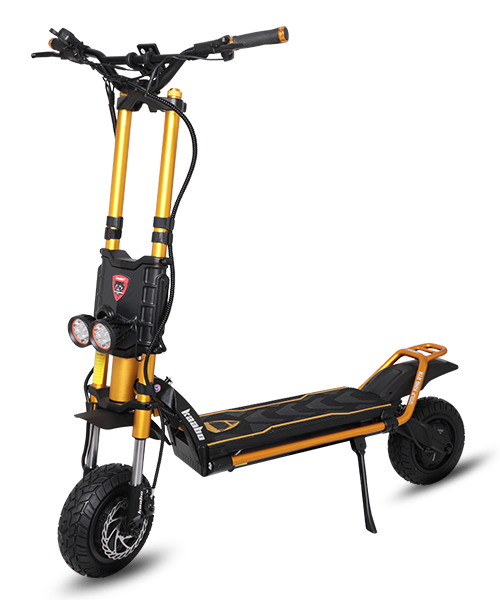
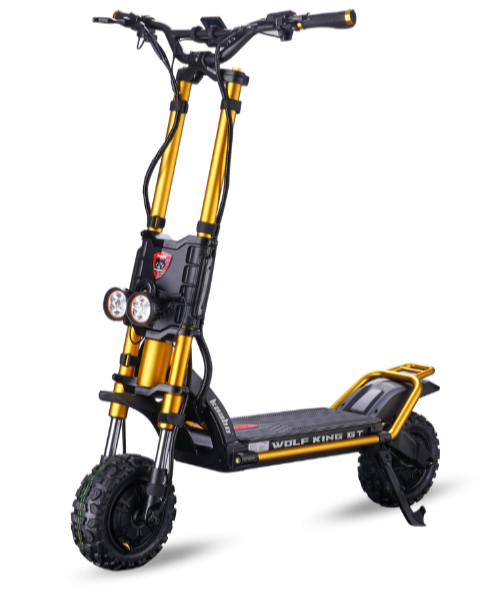
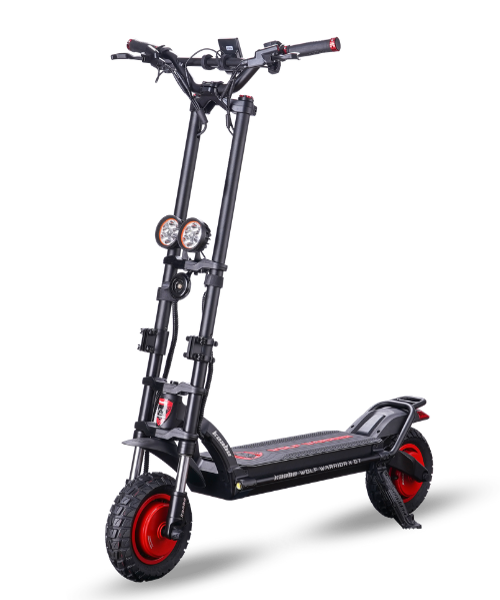
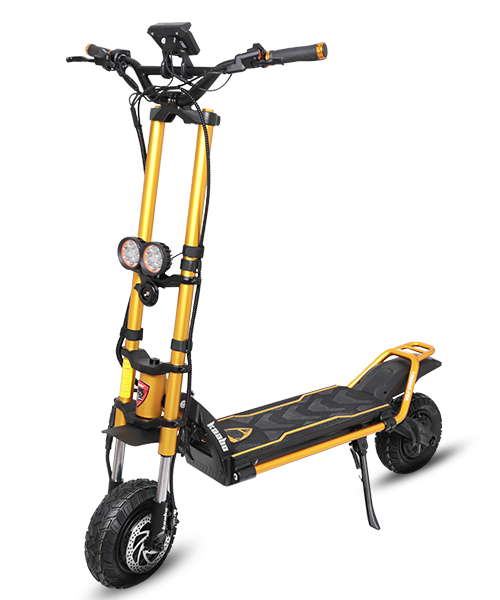
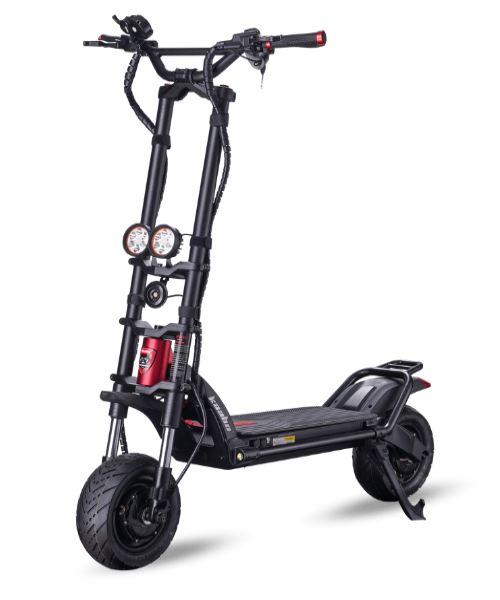
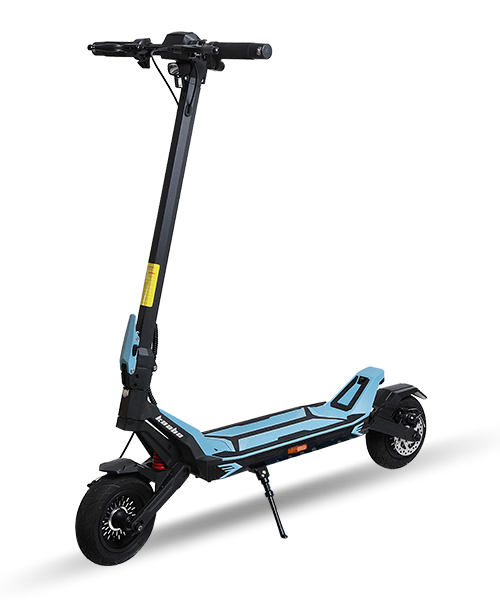
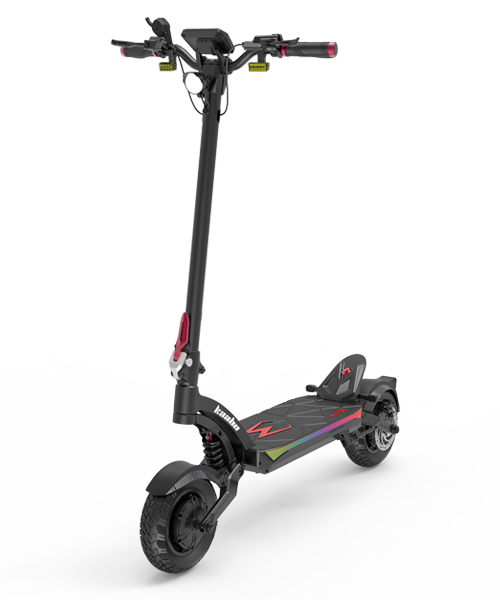
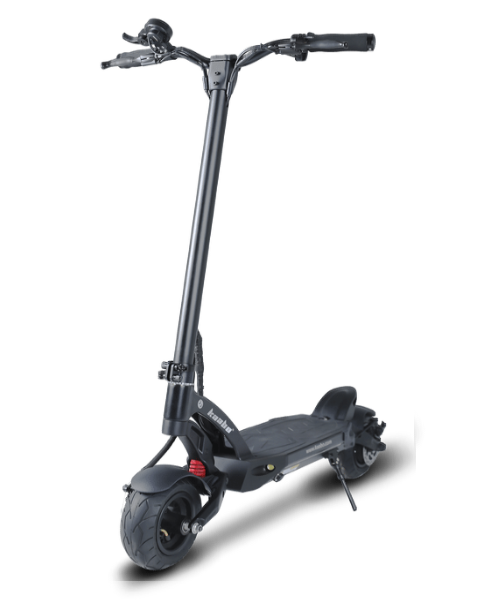
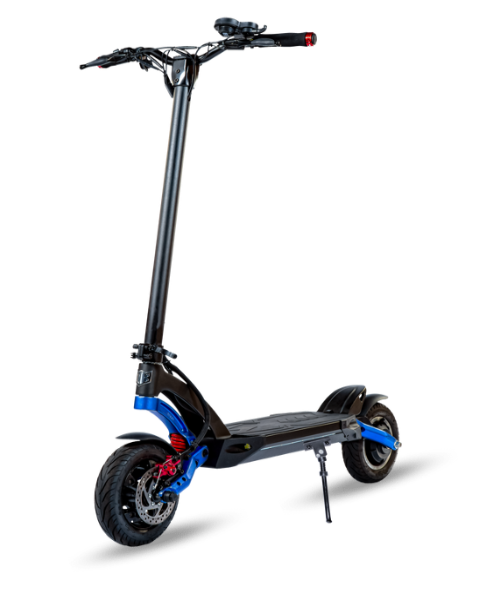
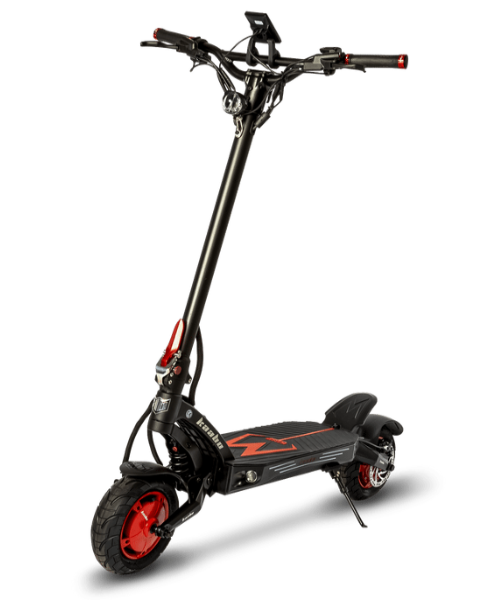
For instance, Kaabo’s premium scooters (like the Kaabo Wolf King GT Pro) use advanced battery management systems (BMS) to regulate temperature, voltage, and current — ensuring peak performance without safety compromises.
(Learn more about Kaabo’s battery technology here).


Why E-Scooter Battery Safety Is So Important

E-scooter batteries hold large amounts of energy in a compact space. When everything runs smoothly, you get long rides and fast charging. But when the system is compromised — say, due to overcharging, puncturing, or exposure to extreme heat — that energy can become dangerous.

Here’s why battery safety is crucial:

  1. Fire Prevention: Lithium batteries are flammable when damaged or charged improperly.

  2. Extended Lifespan: Safe charging and storage extend your battery’s usable life by months or even years.

  3. Financial Savings: Replacing a battery can cost up to 40% of your scooter’s total price. Proper care saves money.

  4. Eco-Friendliness: Responsible use and recycling prevent harmful materials from entering the environment.

The London Fire Brigade reported that over 130 e-bike and e-scooter fires occurred in 2023, most of them caused by cheap, uncertified chargers or faulty aftermarket batteries.

Safety, as you can see, is not optional — it’s essential.


Charging Your E-Scooter Safely

One of the easiest ways to protect your e-scooter’s battery — and your home — is by following proper charging practices.

Do:

  • Always use the original charger provided by the manufacturer.

  • Charge in a dry, ventilated area away from flammable materials.

  • Unplug once the battery reaches 100%; avoid overnight charging.

  • Let the scooter cool down before plugging it in after a ride.

Don’t:

  • Use cheap third-party chargers.

  • Charge near heat sources or direct sunlight.

  • Cover the battery while charging.

  • Continue using a charger if it feels hot or smells burnt.

A safe rule of thumb: charge your e-scooter during the day when you can monitor it.


Battery Storage: Keeping It Cool and Protected

If you’re not using your scooter for a while — say, over the winter — how you store it makes all the difference.

Here’s what experts recommend:

  • Charge to about 60–70% before storage. Fully draining or fully charging it can damage cells over time.

  • Keep the scooter in a cool, dry place, ideally between 10°C to 25°C (50°F to 77°F).

  • Avoid damp garages or places with high humidity.

  • Recharge every 2–3 months to keep cells active.

As Kaabo highlights in their battery care guide, extreme temperatures are the silent killers of lithium batteries.


Recognizing Battery Warning Signs

Your scooter might be trying to tell you something long before a problem gets serious. Watch for these red flags:

  • Unusual heat during or after charging.

  • Bulging or swelling battery casing.

  • Decreased range or inconsistent performance.

  • Burning smell or visible corrosion.

If you notice any of these, stop using your scooter immediately and consult an authorized repair service. Continuing to ride or charge a damaged battery could lead to serious risks.


The Role of the Battery Management System (BMS)

Modern electric scooters, especially premium ones from brands like Kaabo, come equipped with a Battery Management System (BMS).

The BMS acts as the battery’s “guardian angel,” overseeing charge cycles, voltage balance, temperature, and overall health. It automatically shuts down or regulates power if it detects unsafe conditions.

Without a proper BMS, even a high-quality battery could degrade faster or face safety risks.


How to Extend Battery Life Without Sacrificing Performance

Battery longevity isn’t just about safety — it’s about value. A few small changes in how you ride and charge can double your battery life.

Practical Tips:

  1. Avoid full discharges: Try not to let your charge drop below 20%.

  2. Smooth acceleration: Rapid throttle drains power and stresses cells.

  3. Regular short charges: “Top-up” charges are better than waiting for empty.

  4. Keep software updated: Many modern scooters have firmware that optimizes battery usage.

Following these practices not only keeps you safer but also enhances your scooter’s performance.


Common Myths About E-Scooter Battery Safety

Let’s bust a few common misconceptions floating around online:

Myth 1: “It’s fine to use any charger that fits.”
Truth: Wrong. Using an incompatible charger can cause overheating or voltage mismatch.

Myth 2: “E-scooters catch fire easily.”
Truth: Only when poorly maintained or modified with cheap parts. Quality scooters with certified batteries are very safe.

Myth 3: “You should always fully drain your battery before recharging.”
Truth: That’s a relic from old battery tech. Modern lithium batteries prefer partial charge cycles.


Regulations and Certifications That Matter

When choosing an e-scooter, always check for key battery safety certifications.

Look for:

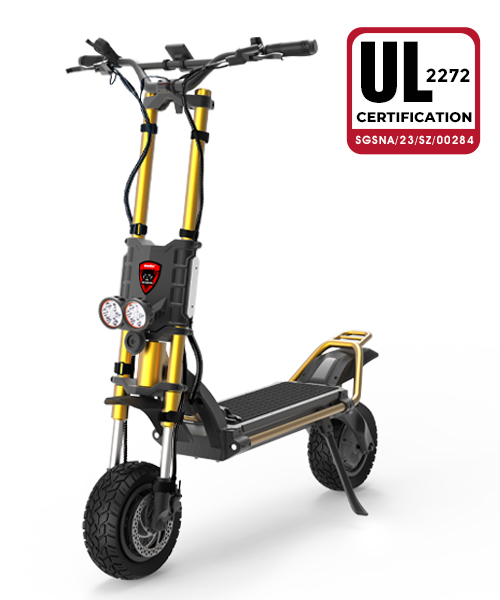
  • UL 2272 Certification — Ensures the scooter meets U.S. fire and electrical safety standards.

  • CE Marking (Europe) — Confirms conformity with EU safety regulations.

  • UN 38.3 — Verifies safe transport of lithium batteries.

Brands like Kaabo and Segway ensure their scooters are certified and rigorously tested for safety, giving riders peace of mind.


Eco-Friendly Battery Disposal

Never toss an e-scooter battery in the trash. They contain metals like lithium, nickel, and cobalt that can be recycled and reused.

Many cities have e-waste recycling centers, and manufacturers often provide take-back programs for safe disposal. For instance, Kaabo encourages users to return old batteries to authorized service centers for recycling.

Proper disposal isn’t just eco-conscious — it’s legally required in most regions.


Frequently Asked Questions (FAQ)

1. How long does an e-scooter battery last?
On average, 500–1000 charge cycles, which translates to about 2–4 years depending on usage and care.

2. Can I replace my e-scooter battery myself?
It’s best to have it replaced by an authorized technician. DIY replacements can void warranties or risk safety issues.

3. What should I do if my battery gets wet?
Turn off the scooter immediately, dry it completely, and contact customer support. Never attempt to charge a wet battery.

4. Are removable batteries safer?
They can be more convenient, but safety depends on the quality of the battery and proper handling.

5. Is fast charging bad for e-scooter batteries?
Not necessarily, as long as the charger and scooter are designed for it. Overuse of unofficial fast chargers, however, can reduce lifespan.


Ride Smart, Stay Safe

E-scooter battery safety isn’t complicated — it’s all about awareness and responsibility. By understanding how your scooter’s battery works and adopting safe charging and storage habits, you can ride confidently, knowing you’re protected.

Brands like Kaabo are leading the charge with safer battery systems, intelligent management software, and ongoing innovation in e-scooter technology.

If you’re passionate about electric mobility, make battery safety your top priority. After all, a safe battery means more adventures, longer rides, and a greener future.

For expert advice and official maintenance tips, visit Kaabo’s Blog on Battery Care or explore their latest scooter models on Kaabo’s official site.

Contact Us

Address: 3rd Floor, Building B3, Shanshan New Energy Base, NO.238 Yunlin Middle Road,Haishu District, Ningbo Zhejiang

Email: [email protected]

Hotline: +86- 574- 8832 1118

Social Media
Social Media

No spam, notifications only about new products, updates.

Let's get in touch

WE'D LOVE TO HEAR FROM YOU​

100

Global Partners

60

Exporting countries

180

Registered patents

300 000

Global Riders