Blogs

Blogs

Electric Scooter 0–30 and 0–40 mph Acceleration Guide: Real Performance Explained

Electric Scooter 0–30 and 0–40 mph Acceleration Guide

When riders compare high-performance scooters, most look at top speed first. But seasoned riders know something more important: acceleration. How quickly a scooter launches from a stop often determines how powerful, responsive, and safe it feels in real traffic.

This detailed electric scooter 0–30 and 0–40 mph acceleration guide explains how acceleration works, what influences it, how to evaluate real-world performance, and why it matters more than a simple top-speed number. If you are considering a premium performance scooter, understanding acceleration will help you make a smarter decision.


Why Acceleration Matters More Than Maximum Speed

Top speed looks impressive on a specification sheet. However, in everyday riding conditions, you rarely stay at maximum speed for long. Urban traffic involves constant stopping and starting, navigating intersections, merging with vehicles, and climbing slopes.

Acceleration determines how quickly your scooter responds when the light turns green or when you need to move out of a tight situation. According to safety research referenced by the U.S. Department of Transportation, reducing the time spent crossing intersections can lower exposure to traffic conflicts. Faster 0–30 mph acceleration reduces hesitation and improves rider confidence.

In real-world riding, acceleration influences safety, efficiency, and overall control more than peak speed.


Understanding 0–30 mph and 0–40 mph Acceleration

In this electric scooter 0–30 and 0–40 mph acceleration guide, these numbers represent the time required to reach a specific speed from a complete stop.

The 0–30 mph measurement is considered the urban benchmark. It reflects how quickly a scooter can match traffic speed in most city environments. The 0–40 mph benchmark, on the other hand, reveals sustained torque and power delivery, especially for dual-motor performance scooters.

A commuter scooter may reach 30 mph in eight to ten seconds. A performance-oriented dual-motor scooter may reach 30 mph in under five seconds and 40 mph in under eight seconds, depending on rider weight and terrain.

These differences are not just numbers. They define how the scooter feels under throttle.


The Physics Behind Electric Scooter Acceleration

Acceleration depends on torque. Torque is the rotational force applied by the motor to the wheel. The greater the torque, the stronger the push forward when the throttle is engaged.

Motor wattage plays a role, but wattage alone does not tell the full story. A well-engineered controller and high-voltage battery system determine how effectively that power is delivered.

Voltage directly affects acceleration response. Higher voltage systems, such as 60V or 72V setups, can supply energy more efficiently than lower voltage systems. According to energy storage analysis published by BloombergNEF, higher voltage configurations reduce current strain and improve sustained power output. In practical terms, that means stronger mid-range pull and more stable 0–40 mph performance.

Controller tuning is another critical factor. Two scooters with identical motor ratings can accelerate very differently if their controllers are programmed differently. Smooth but aggressive power ramp-up provides quick acceleration without jerky throttle response.


Real-World Factors That Change Acceleration

Acceleration numbers are rarely fixed. They change depending on rider weight, battery level, terrain, and even tire pressure.

A lighter rider will experience quicker 0–30 mph times than a heavier rider on the same scooter. Acceleration slows noticeably when the battery drops below 40 percent charge. Wind resistance increases significantly above 30 mph, which is why 0–40 mph always takes longer than 0–30 mph.

Inclines also reduce acceleration speed. Even a moderate uphill slope increases the load on the motor, requiring more torque to maintain the same acceleration curve.

That is why any honest electric scooter 0–30 and 0–40 mph acceleration guide must emphasize testing conditions rather than relying purely on manufacturer claims.


Comparing Entry-Level, Mid-Range, and Performance Scooters

Entry-level single motor scooters typically reach 30 mph in eight to twelve seconds. Many of them are not capable of reaching 40 mph at all.

Mid-range commuter scooters usually reach 30 mph in six to nine seconds. Their 0–40 mph times, if applicable, often exceed twelve seconds.

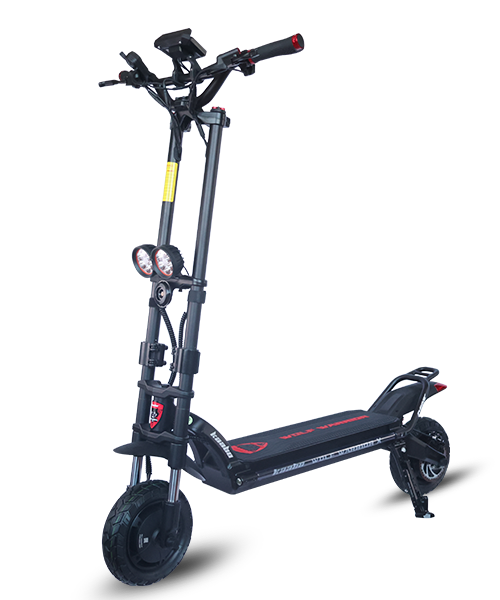
Dual-motor performance scooters are engineered for torque. These models can reach 30 mph in four to six seconds and 40 mph in seven to nine seconds.

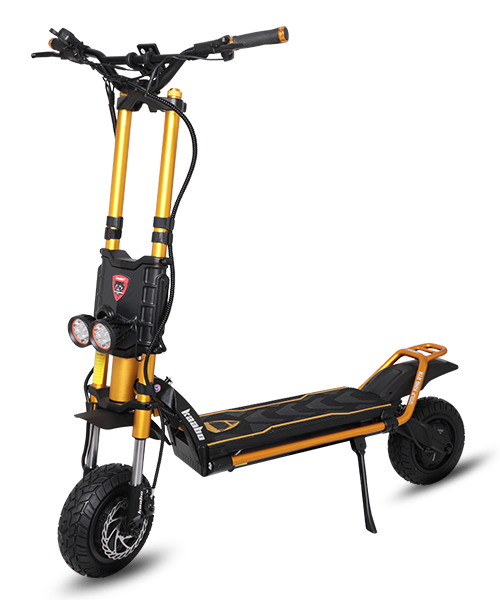
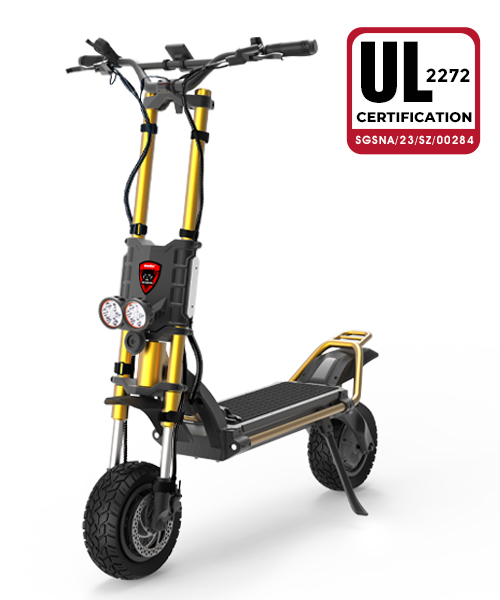
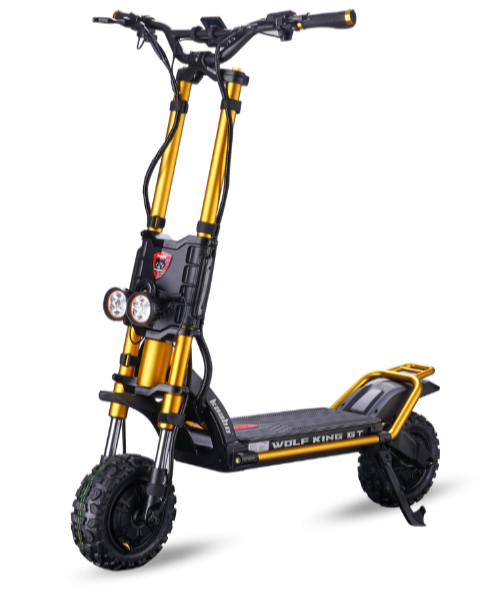
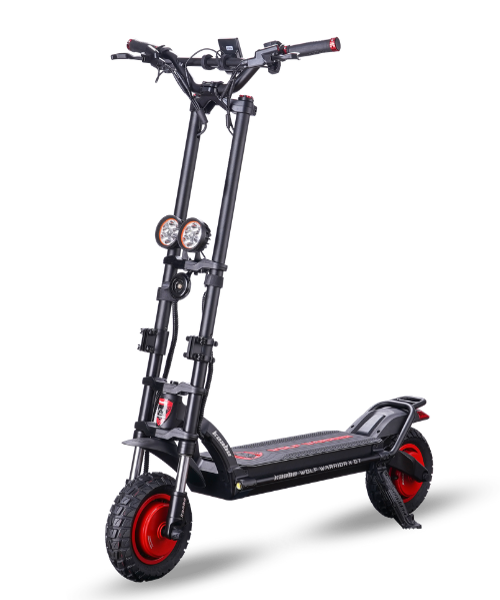
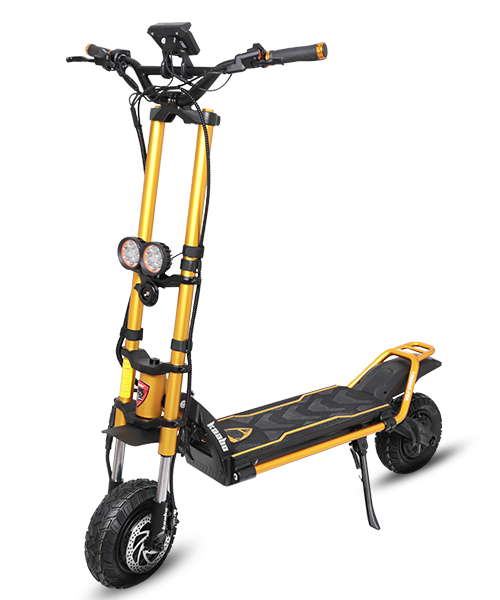
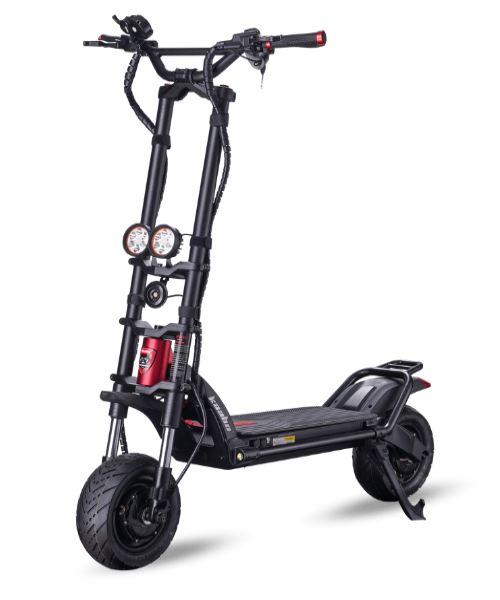
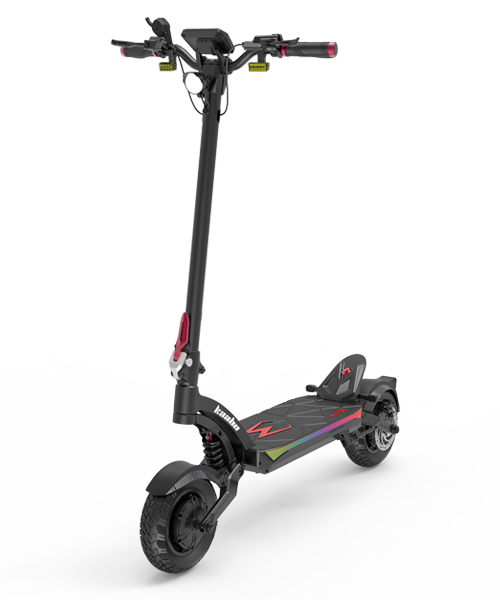
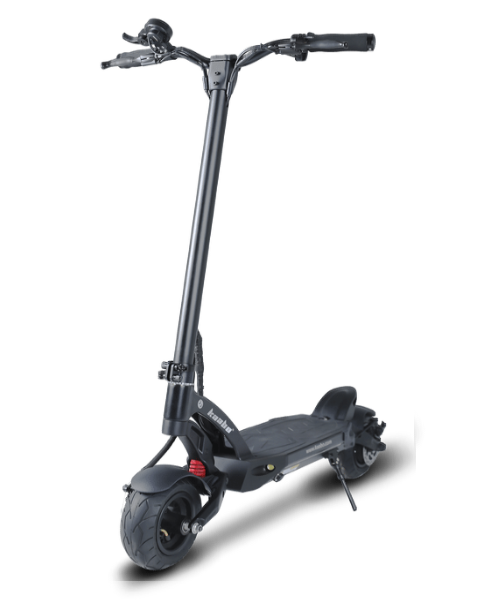
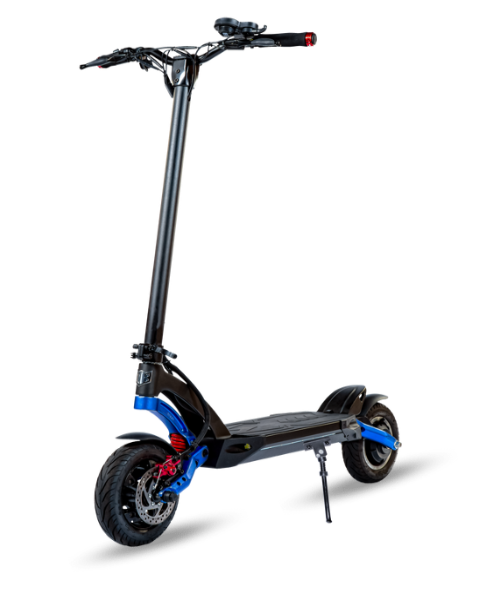
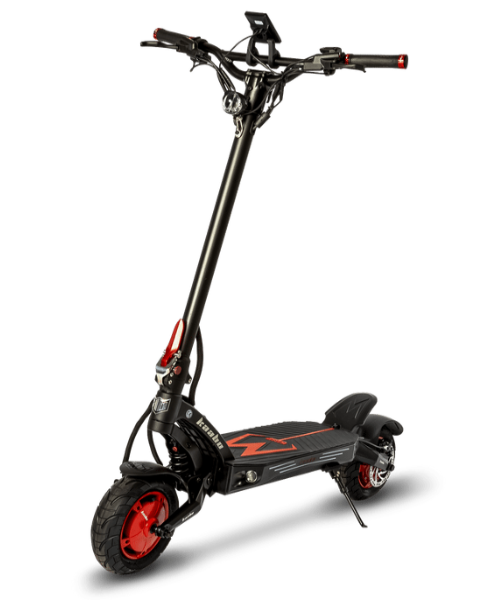
Hyper-performance scooters, including premium dual-motor models found in Kaabo’s high-performance lineup, may reach 30 mph in under four seconds under ideal conditions.

These numbers highlight why understanding acceleration helps distinguish marketing hype from actual performance.


Why 0–30 mph Is the Most Important Metric for City Riders

In most urban environments, traffic speeds fluctuate between 25 and 35 mph. Reaching 30 mph quickly allows riders to integrate safely with surrounding vehicles.

A scooter that struggles to reach 30 mph quickly may feel underpowered in heavy traffic. Conversely, strong 0–30 mph acceleration allows smoother merges and more confident riding.

For daily commuting, 0–30 mph performance is often more important than 0–40 mph capability.


Why 0–40 mph Reveals True Performance Depth

For enthusiasts and experienced riders, 0–40 mph acceleration reveals whether a scooter maintains power beyond the initial launch.

Some scooters feel quick off the line but lose momentum after 30 mph. Others maintain strong torque throughout the entire speed range. Sustained pull from 30 to 40 mph indicates a robust controller, efficient battery discharge rate, and well-balanced motor output.

When evaluating performance models on www.kaabo.com/, examining both acceleration benchmarks provides a clearer understanding of real capability.


Safety Considerations When Evaluating Fast Acceleration

Stronger acceleration requires stronger control systems. Rapid 0–40 mph times must be supported by high-quality braking, suspension, and frame design.

Hydraulic disc brakes provide consistent stopping power at higher speeds. Reinforced frames prevent flex under heavy torque. Advanced suspension systems maintain tire contact with the road during aggressive launches.

The National Highway Traffic Safety Administration emphasizes that braking efficiency and stability are critical safety factors in high-speed mobility devices. Acceleration without proper braking support creates an imbalance.

Performance scooters must be engineered as a complete system rather than simply focusing on speed numbers.


Measuring Acceleration Accurately

To measure acceleration yourself, testing conditions must be controlled. Flat pavement is essential. Battery charge should remain above 80 percent. Multiple test runs should be performed to account for variations.

Using GPS-based speed tracking apps provides more reliable results than dashboard displays alone. Averaging several test runs ensures more accurate data.

Reliable measurement gives a clearer perspective than relying on promotional claims.


Is Faster Acceleration Always Better?

Not necessarily. Extremely aggressive acceleration may feel thrilling but can reduce ride comfort for daily commuting.

Smooth, predictable acceleration often provides better control in crowded urban settings. Riders who prioritize comfort may prefer slightly moderated torque delivery.

Performance enthusiasts, however, often seek stronger launch power for thrill and rapid responsiveness.

Choosing the right acceleration profile depends on your riding environment and experience level.


Making a Smart Decision

Before choosing a scooter, consider where you ride most often. Urban commuting prioritizes consistent 0–30 mph performance. Long open-road rides may benefit from strong 0–40 mph capability.

Battery voltage, motor configuration, and controller tuning should be evaluated together. Real-world testing reviews can provide additional clarity.

When comparing premium models, understanding the technical foundation behind acceleration helps you avoid focusing only on headline speed numbers.


Frequently Asked Questions

What is considered fast acceleration for a performance scooter?
In this electric scooter 0–30 and 0–40 mph acceleration guide, a strong benchmark for performance scooters is reaching 30 mph in under five seconds and 40 mph in under eight seconds under ideal conditions.

Does battery voltage really affect acceleration?
Yes. Higher voltage systems deliver power more efficiently, which directly improves results discussed in this electric scooter 0–30 and 0–40 mph acceleration guide.

Why does acceleration slow down after 30 mph?
Wind resistance increases exponentially at higher speeds, which is why the second phase of this electric scooter 0–30 and 0–40 mph acceleration guide typically shows slower gains between 30 and 40 mph.

Are dual motors necessary for fast acceleration?
Dual motors significantly improve torque delivery, making them central to performance comparisons in this electric scooter 0–30 and 0–40 mph acceleration guide.

Can rider weight change acceleration times?
Yes. Heavier riders increase load on the motor, affecting the results described in this electric scooter 0–30 and 0–40 mph acceleration guide.


Acceleration Defines the Ride

True performance is not just about maximum mph. It is about how quickly and confidently a scooter responds when you twist the throttle.

This electric scooter 0–30 and 0–40 mph acceleration guide shows that torque, voltage, controller tuning, and overall engineering determine real-world performance. When evaluating your next scooter, prioritize acceleration consistency, stability, and braking balance.

Speed attracts attention. Acceleration defines experience.

Contact Us

Address: 3rd Floor, Building B3, Shanshan New Energy Base, NO.238 Yunlin Middle Road,Haishu District, Ningbo Zhejiang

Email: [email protected]

Hotline: +86- 574- 8832 1118

Social Media
Social Media

No spam, notifications only about new products, updates.

Let's get in touch

WE'D LOVE TO HEAR FROM YOU​

100

Global Partners

60

Exporting countries

180

Registered patents

300 000

Global Riders