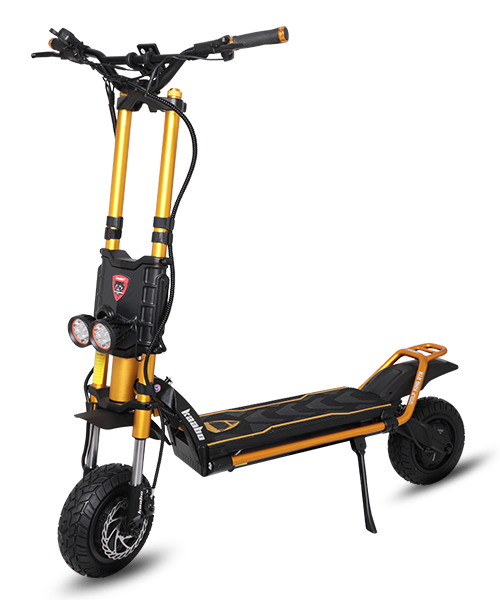
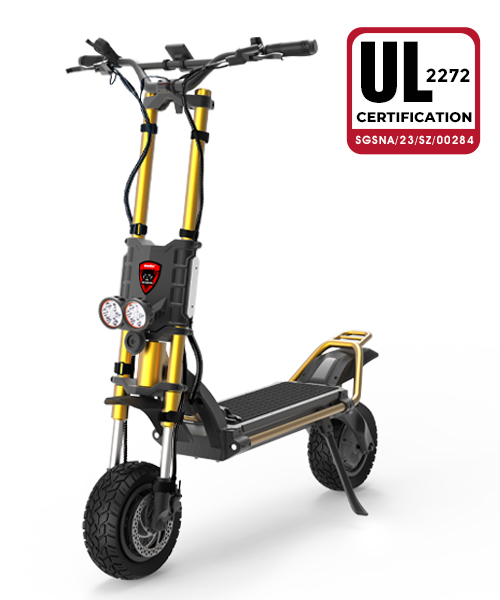
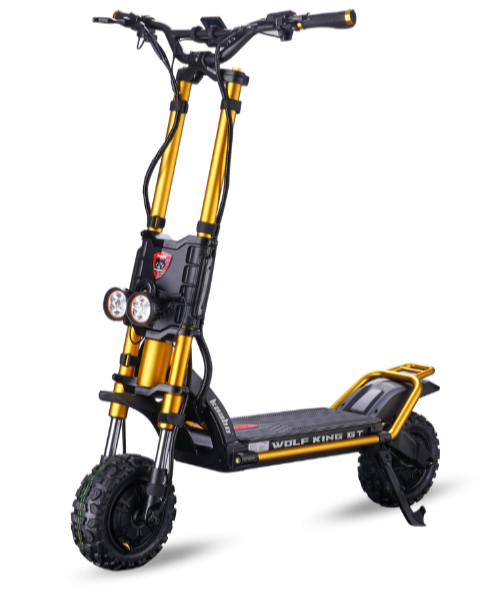
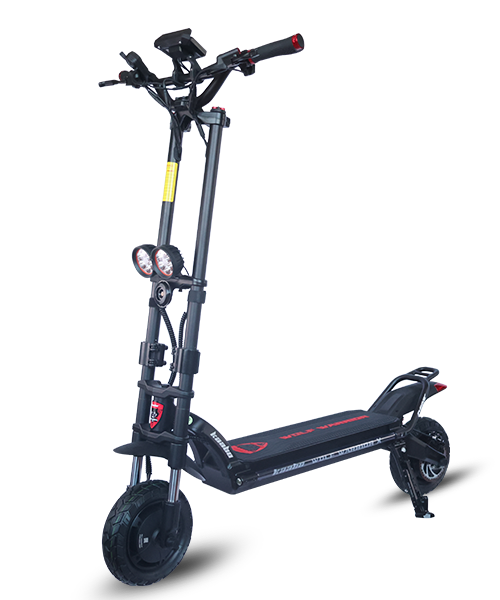
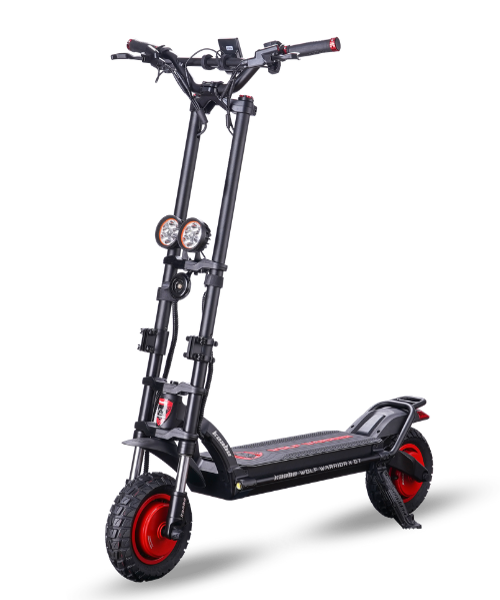
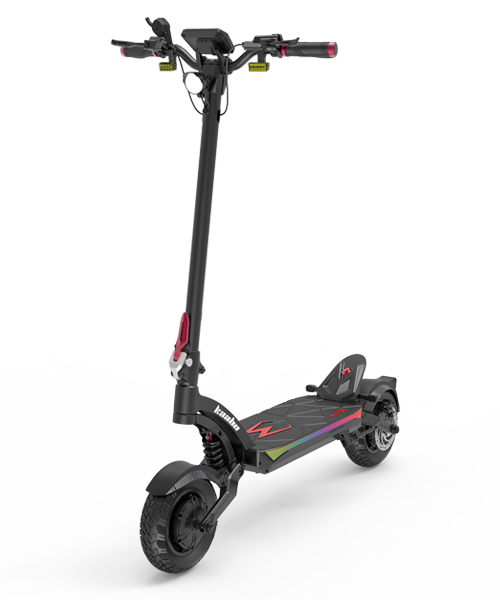
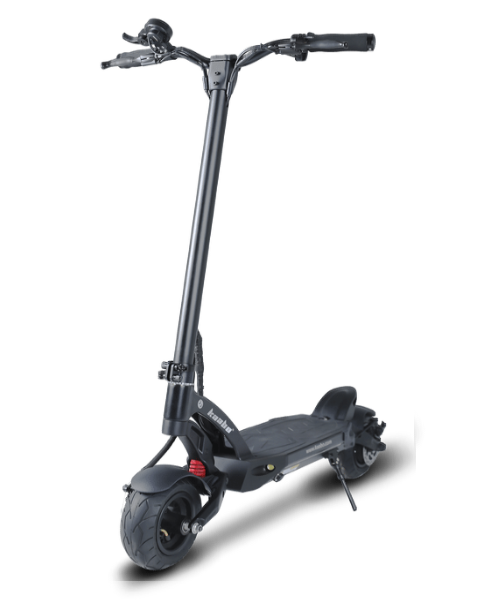
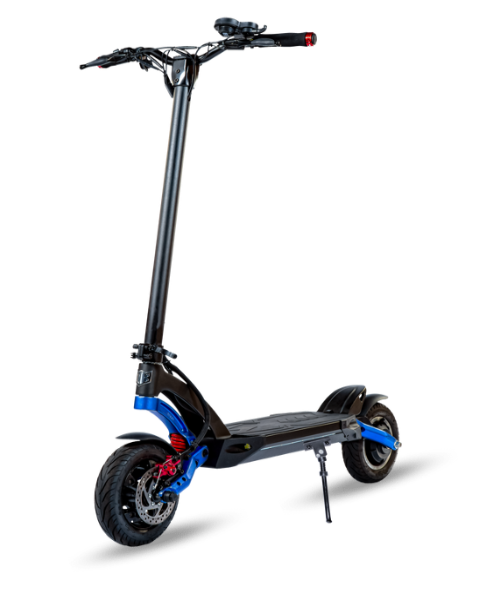
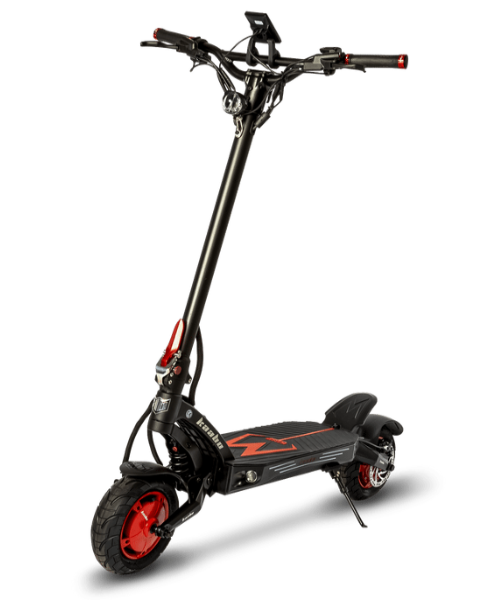
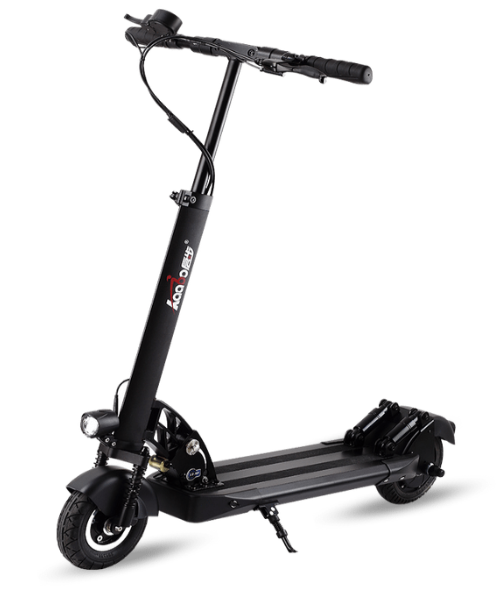
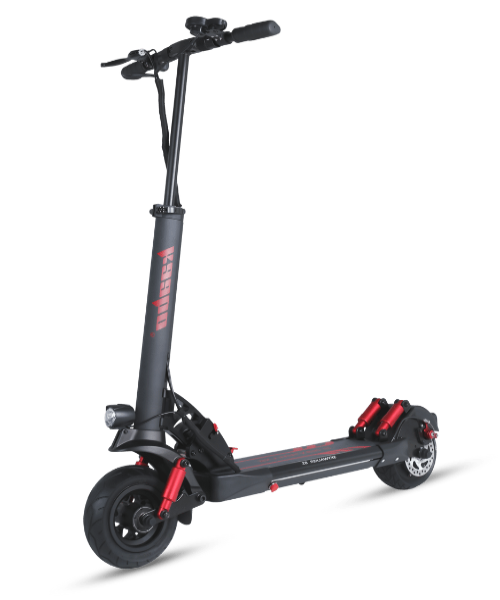
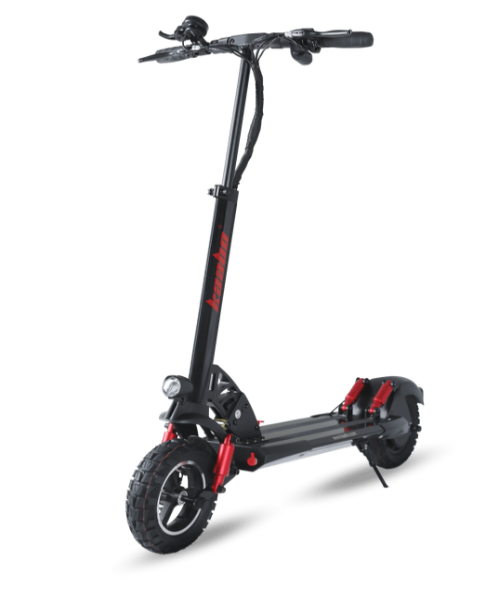
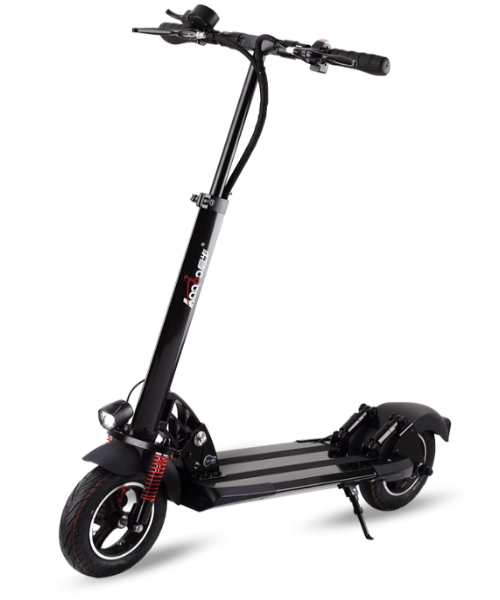
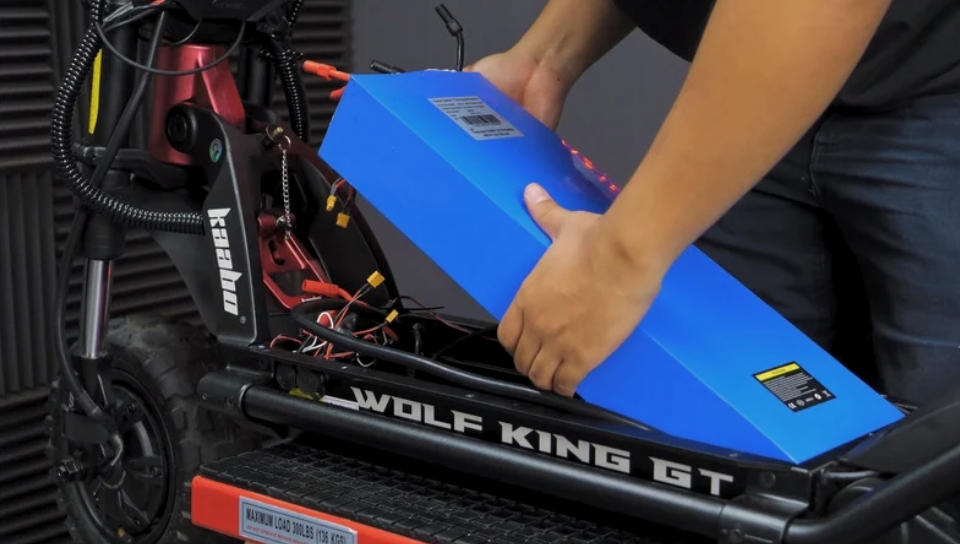
Award-winning Wolf Warrior X is an amazing electric scooter. Dominate the road
and nature with this 50mph e-scooter full of
power ready to be unleashed!
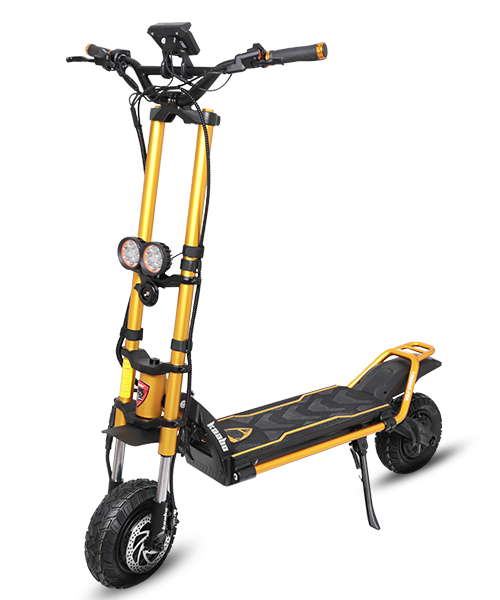
E-scooter designed for city commuting and adult riders.
Equipped with a powerful motor and a long-lasting
battery, the Skywalker provides a convenient, fast, and
efficient mode of transportation.
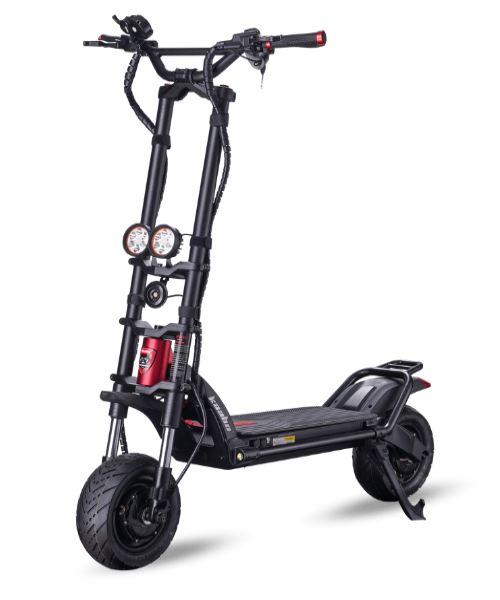
E-scooter designed for city commuting and adult riders.
Equipped with a powerful motor and a long-lasting
battery, the Skywalker provides a convenient, fast, and
efficient mode of transportation.
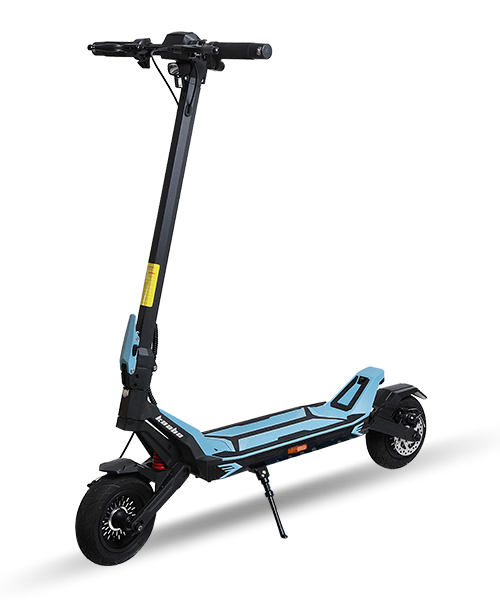
E-scooter designed for city commuting and adult riders.
Equipped with a powerful motor and a long-lasting
battery, the Skywalker provides a convenient, fast, and
efficient mode of transportation.
E-scooter designed for city commuting and adult riders.
Equipped with a powerful motor and a long-lasting
battery, the Skywalker provides a convenient, fast, and
efficient mode of transportation.
Electric Scooter Battery Life: How Long It Lasts and How to Make It Last Longer
Electric scooter battery life directly determines how useful your scooter is — not just today, but two or three years from now. A brand-new 60V lithium-ion pack might give you 40 miles per charge. That same pack, poorly maintained, could drop to 60% capacity within 18 months. The difference isn’t luck. It comes down to chemistry, charging habits, and storage.
Most modern electric scooters — including Kaabo models like the Mantis 10 — use lithium-ion cells based on Nickel Manganese Cobalt (NMC) chemistry. These batteries pack a lot of energy into a small space, which is why high-performance scooters can reach 40–60 miles of range. But NMC cells are sensitive to heat, overcharging, and deep discharges.
This article covers everything riders need to know: how many cycles your battery will last, what drains it faster, how to charge it properly, and how to store it without causing damage. Whether you ride daily or occasionally, these habits protect your investment.
Quick Answer: An electric scooter battery typically lasts 300–500 full charge cycles before noticeable capacity loss — roughly 2–4 years with regular use. Keeping charge levels between 20% and 80%, avoiding extreme temperatures, and using the manufacturer’s charger can extend that lifespan significantly. High-quality lithium-ion packs from brands like Kaabo include a Battery Management System (BMS) that protects against overcharge and over-discharge automatically.
How Long Does Electric Scooter Battery Life Actually Last?
Most electric scooter batteries deliver 300 to 500 full charge cycles before capacity drops below 80% of the original rating. At one full charge per day, that’s roughly one to two years. At three charges per week, you’re looking at two to four years of strong performance.
The real-world lifespan depends on battery chemistry and how carefully the rider treats the pack. NMC lithium-ion cells — the most common type in performance scooters — offer high energy density but are more sensitive to temperature and charging habits than some alternatives.
What Counts as One Charge Cycle?
A charge cycle isn’t simply “charging once.” One full cycle equals 100% of the battery’s capacity used — whether you drain it from 100% to 0% in one session, or use 50% twice across two rides. According to Battery University’s lithium-ion cycle research, limiting depth of discharge (DOD) to 80% can more than double usable cycle life compared to regular full discharges.
NMC vs. LFP: The Two Main Battery Types in Electric Scooters
Lithium Iron Phosphate (LFP) cells appear in some scooter models as an alternative to NMC. LFP batteries typically survive 1,500–3,000 cycles before reaching 80% capacity — far more than NMC. They’re also thermally more stable. The trade-off is lower energy density, which means a heavier pack for the same range. Most high-performance scooters still use NMC chemistry to keep weight competitive.
Battery Type
Typical Cycle Life
Energy Density
Temperature Sensitivity
Common In
NMC Lithium-Ion
300–500 cycles
High (150–220 Wh/kg)
Moderate–High
Performance scooters
LFP (LiFePO4)
1,500–3,000 cycles
Medium (90–160 Wh/kg)
Low
Budget / utility scooters
NCA Lithium-Ion
500–1,000 cycles
Very High (200–260 Wh/kg)
High
Premium EV applications
What Affects Electric Scooter Battery Range Per Charge?
Electric scooter range is not a fixed number — it shifts with rider weight, terrain, speed, and temperature. A scooter rated for 40 miles in lab tests might deliver 25 miles in cold weather at full throttle.
Rider weight has a direct impact. A 220 lb rider on a scooter with a 176 lb average rating will see range drop by 15–25%. Climbing hills compounds the drain — a 10% incline can cut range by 30–40% compared to flat ground.
Speed vs. Range: The Key Trade-Off
Higher speeds consume battery energy exponentially, not linearly. Riding at 25 mph uses roughly twice the energy of riding at 15 mph on the same scooter. This is because aerodynamic drag increases with the square of speed. Riders who want maximum range should cruise between 15–18 mph on flat terrain and save full-throttle bursts for short stretches.
Cold Weather Battery Drain
Lithium-ion cells lose 20–40% of their usable capacity when temperatures drop below 32°F (0°C). The electrolyte inside becomes less conductive in the cold, which raises internal resistance and reduces deliverable power. The U.S. Department of Energy’s battery cold-weather findings confirm range reductions of 20–41% in sub-freezing conditions across electric vehicles using lithium-ion packs.
If you ride in winter, let the battery warm to room temperature before charging and avoid storing the scooter in an unheated space overnight.
How to Extend Electric Scooter Battery Life Through Better Charging
The fastest way to shorten electric scooter battery life is to charge to 100% every session and let it drain to zero regularly. Both habits stress the cells in ways that accelerate permanent capacity loss.
The 20–80% rule is the standard recommendation from lithium-ion battery engineers. Staying within this range reduces electrochemical stress and extends cycle count. Most daily commutes don’t require a full charge — charging to 80% is enough for the vast majority of trips.
Always Use the Manufacturer’s Charger
Third-party chargers that don’t precisely match your scooter’s voltage and amperage specifications can overcharge cells or distribute current unevenly across the pack. Kaabo scooters ship with chargers matched to the pack’s BMS specs. Even a 5% voltage mismatch in a third-party charger can accelerate cell degradation over time. If you need a replacement, verify the output voltage and current rating before purchasing.
Don’t Leave the Battery at 100% for Days
Storing a lithium-ion pack at full charge generates more internal stress than storing it at 40–60%. If you’re not riding for a week or more, bring the battery down to around 50% before leaving it. Most premium scooters, even those with advanced BMS units, still self-discharge at roughly 1–3% per week at room temperature.
Wait Before Charging After a Hard Ride
After extended high-speed riding or steep climbs, the battery temperature rises. Charging a warm pack pushes additional heat into the cells during the already heat-generating charge process. Give the battery 20–30 minutes to cool before plugging in.
Electric Scooter Battery Maintenance: Storage, Temperature, and Inspection
Poor storage is one of the most common causes of premature battery failure. Batteries stored incorrectly can lose 20–30% of their permanent capacity in a single off-season.
Ideal storage temperature is 59–77°F (15–25°C). Temperatures above 104°F (40°C) accelerate chemical breakdown in lithium-ion cells. Temperatures below freezing can cause lithium plating — microscopic metallic deposits inside the cell that reduce capacity and, in severe cases, create internal short-circuit risks.
Long-Term Storage Steps
If you’re storing your scooter for more than 30 days, follow these steps:
Charge the battery to 50–60% before storage
Store in a cool, dry location away from direct sunlight and moisture
Check the charge level every 30–60 days and top up to 50% if it drops below 20%
Never store a fully depleted pack — lithium-ion cells discharged below approximately 2.5V per cell can suffer irreversible damage
A bent charging pin, corroded port, or frayed cable creates resistance during charging — which generates heat and causes uneven charge distribution. Inspect the charging port regularly. If the cable feels warm to the touch during a normal charging session, stop and check for damage. A replacement cable costs a fraction of what a new battery pack does.
How the Battery Management System (BMS) Protects Your Pack
The Battery Management System is the electronic circuit that keeps your scooter’s battery safe during charging and riding. Every Kaabo electric scooter includes an integrated BMS that monitors cell voltage, temperature, and current in real time.
A quality BMS balances individual cell voltages across the pack, preventing “weak cell” scenarios where one degraded cell drags down overall performance. It stops charging when the pack reaches full voltage. It cuts discharge current when cells drop too low or too hot. Without a BMS, lithium-ion cells can enter thermal runaway — a self-reinforcing heat reaction that can lead to fire or explosion.
The BMS units in Kaabo’s full electric scooter range are built to handle the higher current demands of dual-motor configurations and rapid acceleration. Battery packs designed to meet IEC 62133 — the international safety standard for secondary lithium cells — include specific BMS protection requirements that cover overcharge, over-discharge, and short-circuit events.
Recognizing a BMS Warning
If your scooter cuts power mid-ride without warning, shows inconsistent range from charge to charge, or refuses to charge past a certain percentage, the BMS may be detecting a cell imbalance or fault condition. These symptoms aren’t always catastrophic — a full discharge and slow recharge cycle sometimes re-balances the pack. But repeated BMS cutoffs are a clear sign that a professional inspection is needed.
Frequently Asked Questions
How long does an electric scooter battery last on one charge?
Electric scooter battery life on a single charge ranges from 15 to 60+ miles depending on battery capacity, rider weight, speed, and terrain. A 60V 24.5Ah pack — like those in high-performance Kaabo scooters — stores approximately 1,470Wh and delivers 40–50 miles under real-world conditions at moderate speeds on flat ground.
How many years does an electric scooter battery last?
An electric scooter battery typically lasts 2–4 years with regular daily use, covering 300–500 charge cycles before capacity falls below 80%. Riders who follow the 20–80% charging rule and store their scooter correctly can extend electric scooter battery life to five or more years in some cases.
Can I replace the battery in my electric scooter?
Yes, most electric scooter batteries are replaceable. Kaabo scooters use accessible battery packs that can be swapped when capacity degrades significantly. Replacement packs must match the original voltage, capacity (Ah), and connector type exactly. Always use a manufacturer-approved pack to ensure BMS compatibility and safety standard compliance.
Does fast charging damage an electric scooter battery?
Fast charging at higher amperage generates more heat than standard charging, which accelerates cell degradation over time. Most electric scooter battery packs are rated for a maximum charge rate of 1C — one times the pack’s capacity in amps. Charging at 2C or above regularly can shorten electric scooter battery life by 20–30% compared to standard charging rates, based on lithium-ion cycle life data from the Journal of Power Sources.
Why does my electric scooter battery drain so fast?
Rapid electric scooter battery drain typically points to one of four causes: cold weather reducing usable capacity, aged cells with rising internal resistance, consistent high-speed riding that draws heavy current, or a cell imbalance in the pack. If range has dropped by more than 20% from when the scooter was new, a BMS diagnostic check will identify the cause.
What is the best way to store an electric scooter battery?
Store your electric scooter battery at 50–60% charge in a location between 59–77°F (15–25°C), away from moisture and direct sunlight. Check the charge level monthly and top it up if it falls below 20%. Never store a fully discharged pack — lithium-ion cells left below their critical voltage threshold suffer permanent, irreversible capacity loss.
The Right Battery Habits Make Your Scooter Last Longer
Electric scooter battery life is less about what you can’t control and more about the habits you build from the first charge. Riders who consistently charge to 80%, store the pack at the right temperature, and use the correct charger regularly see two to three times the usable life from their batteries compared to those who don’t.
The chemistry is straightforward: lithium-ion cells degrade from heat, deep discharge, and overcharge. Avoid those three stressors and your pack will hold most of its original capacity well past the 300-cycle mark. That means more range, fewer replacements, and a lower overall cost of ownership over the scooter’s life.
If you’re choosing a new scooter with long-term battery performance in mind, look at the pack’s Wh rating, the quality of the BMS, and whether replacement packs are available from the manufacturer. Explore the full Kaabo electric scooter collection to find a model with the battery capacity and protection features that match your riding style — and start your ownership with the right habits from day one.
Contact Us
Address: 3rd Floor, Building B3, Shanshan New Energy Base, NO.238 Yunlin Middle Road,Haishu District, Ningbo Zhejiang
 Español
 French