Blogs

Blogs

How Frame Design Affects Rider Safety

kaabo-mantis-8-electric-scooter

Electric scooters have evolved from simple urban tools into high-performance machines capable of handling city streets, rough terrain, and long-distance commutes. Yet while speed and battery range often grab attention, electric scooter frame design plays a far more critical role in keeping riders safe.

Behind every stable ride is a carefully engineered structure. From the choice of metal to the welding method, frame geometry, deck width, and folding mechanism—each detail directly influences scooter structural safety. A well-designed frame absorbs shocks, distributes weight evenly, and resists long-term fatigue. A poorly designed one increases the risk of instability, cracks, or catastrophic failure.

In this guide, we’ll explore how electric scooter frame design impacts rider protection, what materials matter most, and how leading manufacturers focus on scooter structural safety to meet modern safety standards.


Why Electric Scooter Frame Design Matters More Than You Think

Many riders assume safety comes from brakes or tires alone. While those components are important, they rely on a strong foundation. That foundation is the frame.

An electric scooter frame design must support dynamic forces. When you accelerate, brake suddenly, or hit a pothole, the frame absorbs stress from multiple directions. According to research from the National Highway Traffic Safety Administration, micro-mobility accidents often involve structural instability during sudden maneuvers. That means the structural integrity of a scooter directly influences rider outcomes.

A weak frame can lead to:

  • Steering wobble at higher speeds

  • Deck flexing under load

  • Stress fractures over time

  • Folding joint failures

On the other hand, a reinforced frame enhances:

  • Stability at high speeds

  • Better weight distribution

  • Reduced vibration transfer

  • Improved long-term durability

In short, scooter structural safety begins with the frame.


Understanding the Core Elements of Scooter Structural Safety

Material Selection: Aluminum vs. Steel vs. Carbon Fiber

The first pillar of electric scooter frame design is material choice.

Most premium scooters use aircraft-grade aluminum alloys such as 6061-T6. These alloys provide an excellent balance of strength and weight. Steel, although stronger in pure tensile terms, adds significant weight. Carbon fiber is extremely light but expensive and less forgiving under repeated impact stress.

Here’s a simplified comparison:

Material Strength-to-Weight Ratio Corrosion Resistance Cost Typical Use
6061-T6 Aluminum High Excellent Moderate Mid to high-end scooters
Steel Very High Moderate Low Heavy-duty frames
Carbon Fiber Extremely High Excellent High Performance models

Manufacturers like Kaabo focus heavily on reinforced aluminum alloy structures for improved scooter structural safety without making the scooter too heavy for urban riders.


Frame Geometry and Rider Balance

Electric scooter frame design isn’t just about material—it’s also about geometry.

The angle of the stem, the wheelbase length, and the deck height all influence stability. A longer wheelbase improves straight-line control at higher speeds. A lower deck reduces the center of gravity, which helps prevent tipping.

High-performance scooters designed for stability often feature:

  • Wider decks for improved foot placement

  • Reinforced head tubes

  • Double stem supports

These design choices directly enhance scooter structural safety, especially at speeds above 25 mph.


The Folding Mechanism: A Critical Safety Component

Folding scooters are convenient, but they introduce complexity.

The folding joint is one of the most stressed parts of the frame. If poorly engineered, it becomes a weak point. Over time, repeated vibration can cause micro-movements that compromise structural integrity.

Manufacturers combat this risk with:

  • Dual locking systems

  • Reinforced steel hinges

  • Precision CNC-machined locking clamps

In high-quality electric scooter frame design, the folding system is tested under thousands of vibration cycles before production approval.


Welding and Manufacturing Standards

Even strong materials can fail if assembled poorly.

Modern scooter structural safety depends on advanced welding techniques such as TIG welding and robotic precision welding. These processes ensure consistent joint strength and reduce human error.

Additionally, reputable brands conduct stress tests, including:

  • Fatigue testing (repeated loading cycles)

  • Impact testing

  • Torsional rigidity testing

According to micro-mobility research highlighted by Bloomberg, the global electric scooter market has grown rapidly, pushing manufacturers to improve engineering standards to meet consumer safety expectations.

As the market expands, frame engineering becomes a competitive advantage rather than an afterthought.


Vibration Dampening and Shock Absorption

Road vibration doesn’t just cause discomfort—it weakens structural components over time.

Advanced electric scooter frame design integrates suspension systems directly into the frame architecture. Dual suspension setups, hydraulic dampers, and reinforced swing arms help distribute force more evenly.

This reduces:

  • Stem vibration

  • Bolt loosening

  • Metal fatigue

By lowering stress concentration at key joints, scooter structural safety improves significantly over years of use.


Weight Capacity and Load Distribution

Every scooter has a maximum rider weight limit. But what matters more is how weight is distributed.

A well-designed frame spreads load across:

  • Deck reinforcement plates

  • Cross beams

  • Head tube support

Poor load distribution causes bending stress near the stem base. That area is one of the most common failure points in low-cost scooters.

When evaluating electric scooter frame design, always check:

  • Published load capacity

  • Reinforced deck structure

  • Stem thickness

If a scooter claims high speed but has a thin, hollow stem with minimal reinforcement, scooter structural safety may be compromised.


Real-World Case Study: Performance-Oriented Frame Engineering

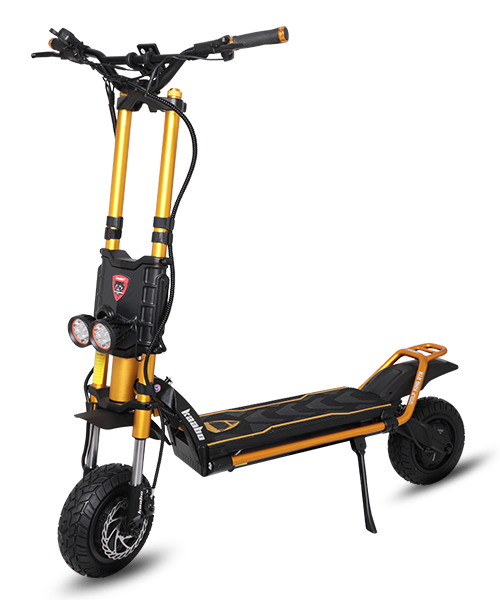
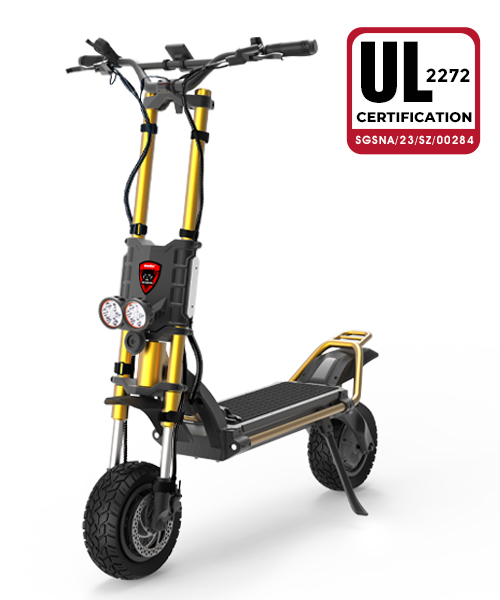
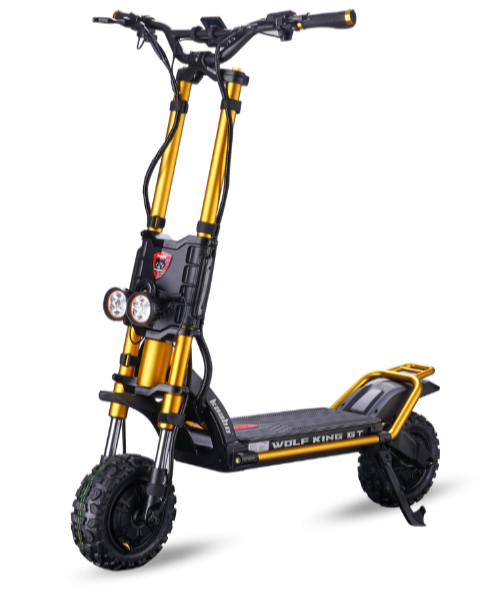
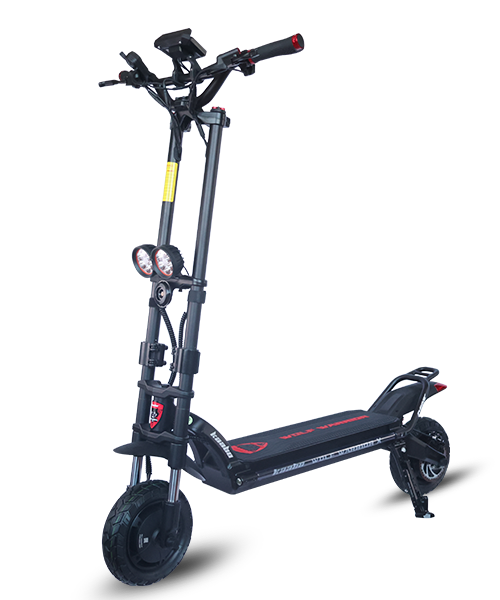
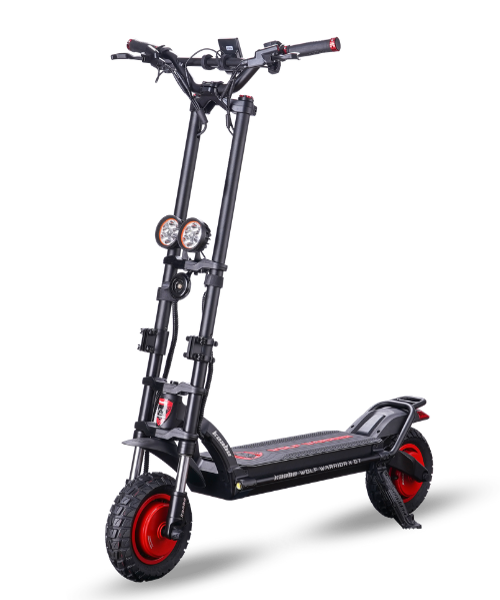
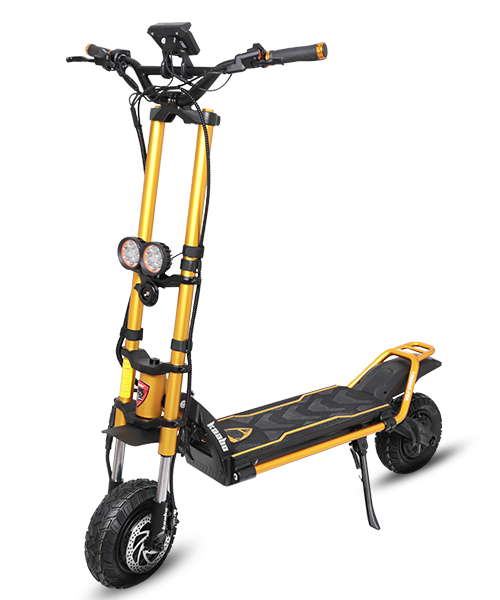
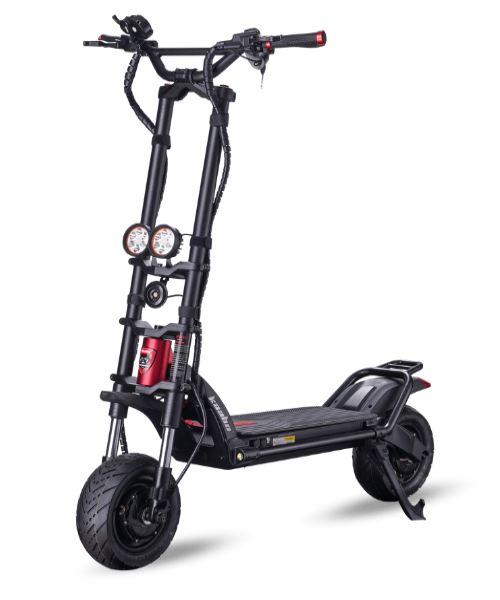
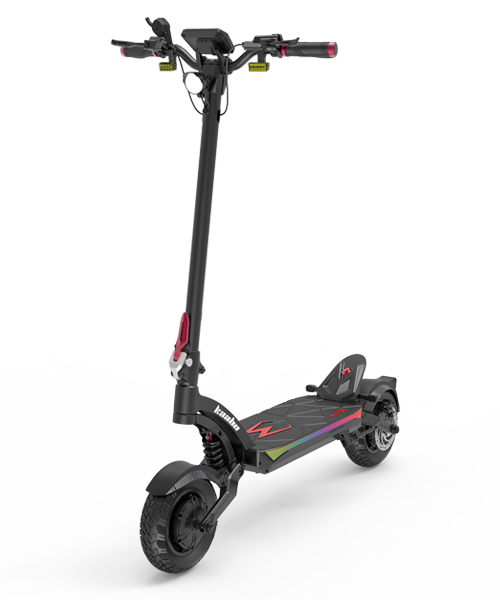
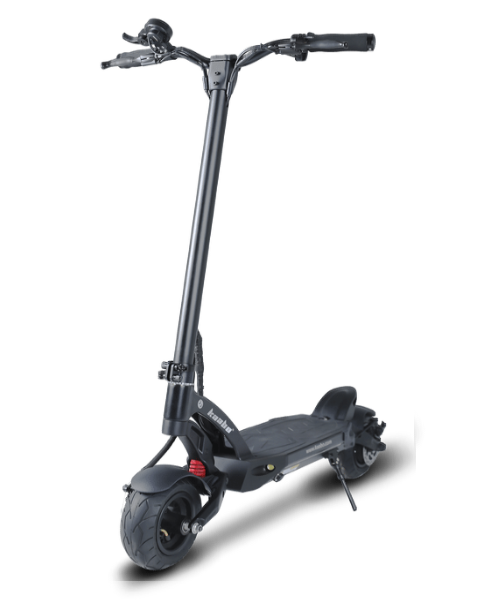
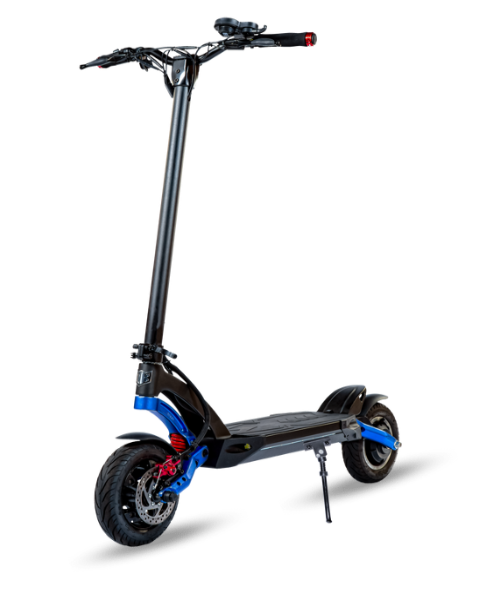
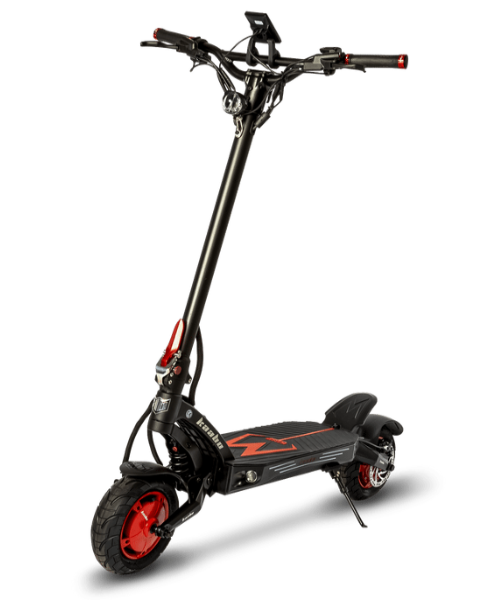
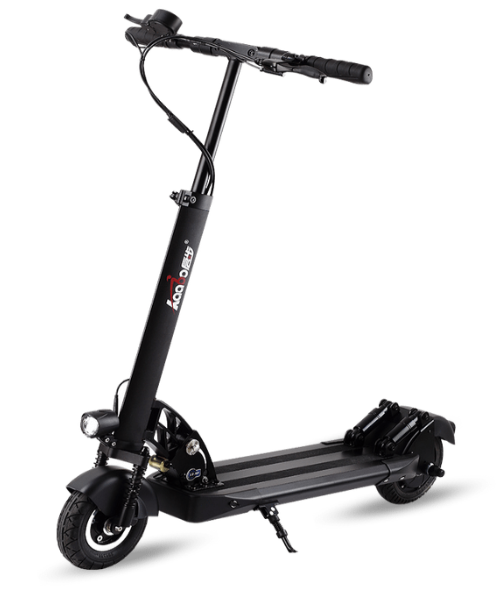
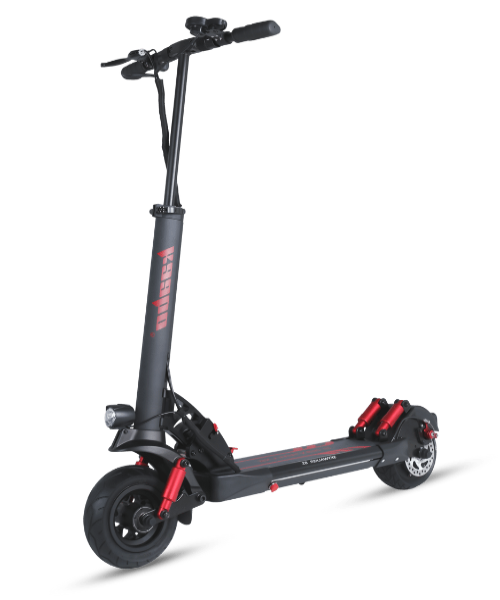
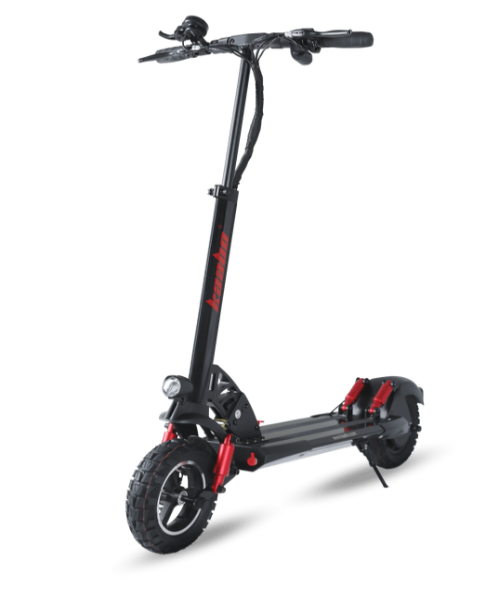
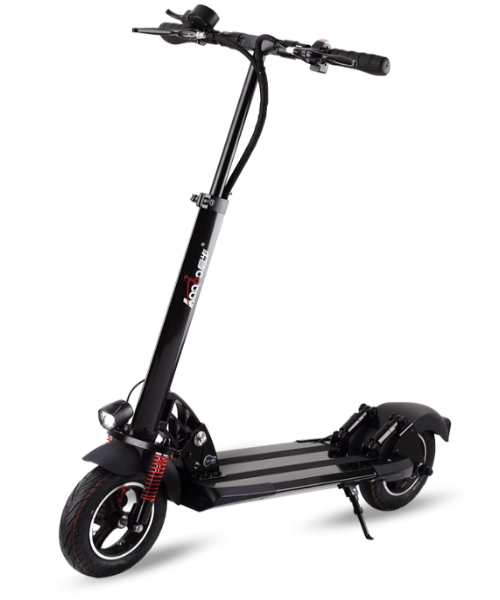
Premium manufacturers integrate multi-layer reinforcement into their frames. For example, scooters available at Kaabo’s official website showcase dual stem supports and reinforced neck structures specifically designed for high-speed stability.

This approach improves scooter structural safety in three ways:

  1. Reduces steering wobble

  2. Minimizes flex at high speeds

  3. Enhances long-term durability

When high torque motors are involved, electric scooter frame design must accommodate stronger forces without compromising comfort.


Environmental Factors and Frame Durability

Weather exposure also impacts structural safety.

Rain, humidity, and road salt accelerate corrosion. High-quality electric scooter frame design includes:

  • Anti-corrosion coating

  • Anodized aluminum finishes

  • Sealed welding joints

These protective measures preserve scooter structural safety in different climates.


The Role of Testing and Certification

Safety-conscious manufacturers conduct third-party testing.

Look for references to:

  • ISO manufacturing standards

  • CE certifications

  • Independent lab fatigue testing

Testing ensures that electric scooter frame design meets real-world demands beyond marketing claims.


Signs of a Structurally Safe Electric Scooter

Before purchasing, evaluate:

  • Frame weld consistency

  • Stem thickness

  • Deck reinforcement

  • Locking mechanism tightness

If possible, check whether the brand publishes structural test data. Transparency often reflects confidence in scooter structural safety.


FAQs

1. Why is electric scooter frame design important for safety?

Electric scooter frame design determines how well the scooter withstands stress from acceleration, braking, and road impact. Without proper scooter structural safety, the risk of frame fatigue or instability increases significantly.

2. What material is best for scooter structural safety?

Aircraft-grade aluminum alloys are widely used in electric scooter frame design because they provide excellent strength while keeping the scooter lightweight, supporting better scooter structural safety.

3. Does a heavier frame mean better safety?

Not necessarily. Effective electric scooter frame design focuses on strength-to-weight ratio rather than just weight. Proper engineering improves scooter structural safety without unnecessary bulk.

4. How can I check if a scooter frame is strong?

Inspect weld quality, stem thickness, and locking systems. Reliable electric scooter frame design includes reinforced joints and secure folding mechanisms for optimal scooter structural safety.

5. How long does a scooter frame typically last?

With proper electric scooter frame design and regular maintenance, a high-quality scooter frame can last several years while maintaining scooter structural safety.


Strong Frames Build Confident Rides

Electric scooters continue to grow in popularity, but true safety begins beneath your feet. A well-engineered electric scooter frame design enhances stability, absorbs impact, and protects riders from structural failures. By focusing on scooter structural safety—through material selection, geometry, reinforcement, and rigorous testing—manufacturers can deliver both performance and peace of mind.

When choosing your next scooter, don’t just look at speed or range. Look at the frame. Because ultimately, electric scooter frame design is the backbone of rider safety.

Contact Us

Address: 3rd Floor, Building B3, Shanshan New Energy Base, NO.238 Yunlin Middle Road,Haishu District, Ningbo Zhejiang

Email: [email protected]

Hotline: +86- 574- 8832 1118

Social Media
Social Media

No spam, notifications only about new products, updates.

Let's get in touch

WE'D LOVE TO HEAR FROM YOU​

100

Global Partners

60

Exporting countries

180

Registered patents

300 000

Global Riders