A neglected electric scooter battery loses up to 20% of its capacity within the first year of poor charging habits. That’s not a worst-case scenario — it’s a documented pattern across lithium-ion cells used in personal mobility devices. Electric scooter maintenance isn’t complicated, but skipping it costs real money. Tires wear unevenly, brakes fade, and battery range drops — all of which are preventable with a consistent routine.
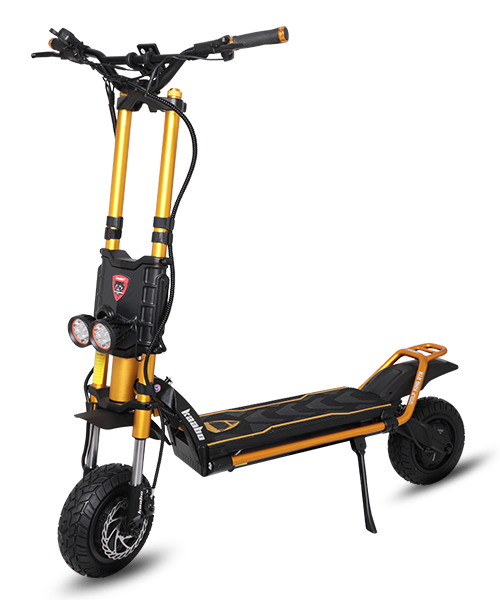
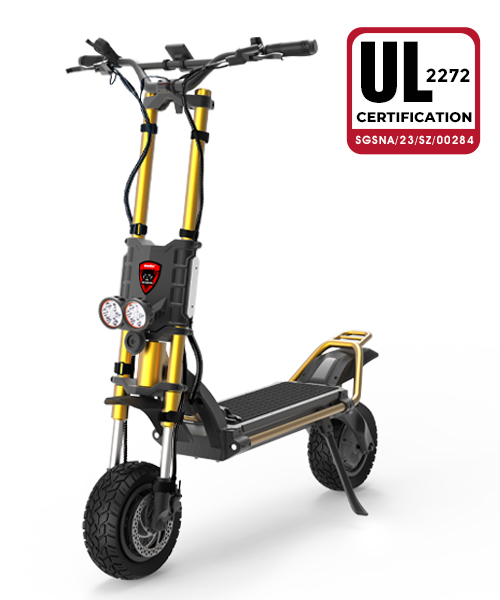
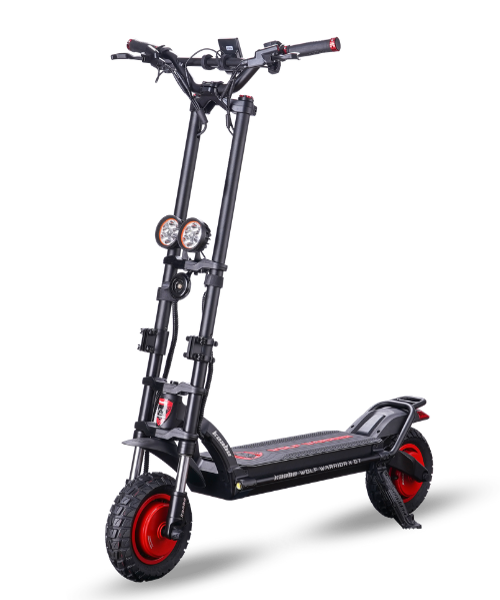
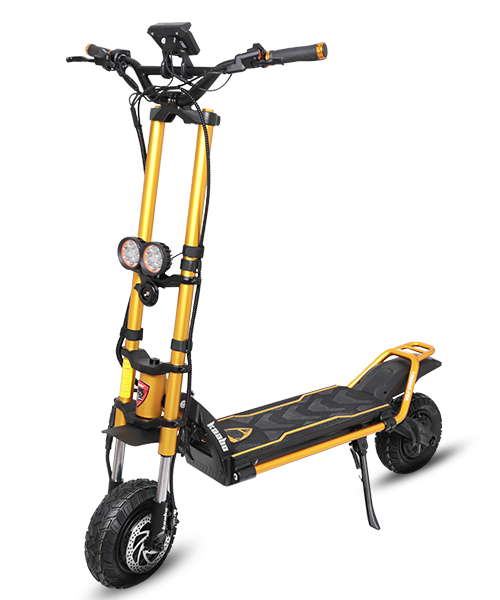
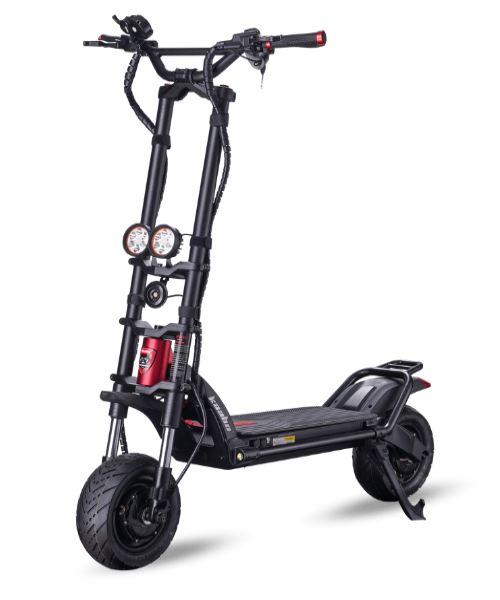
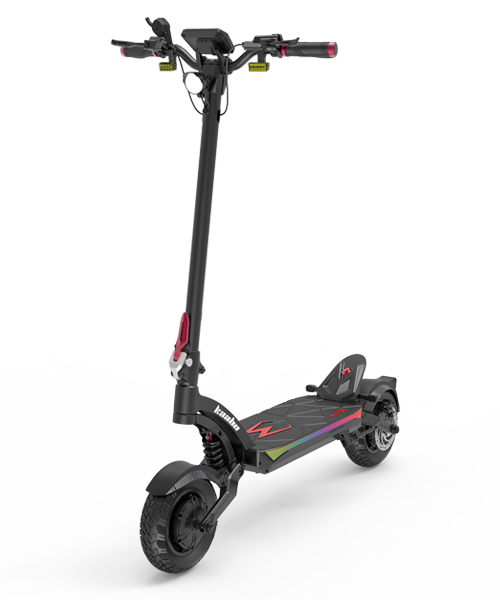
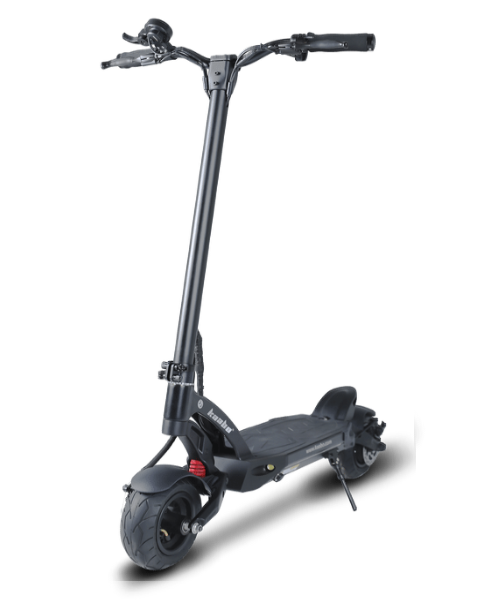
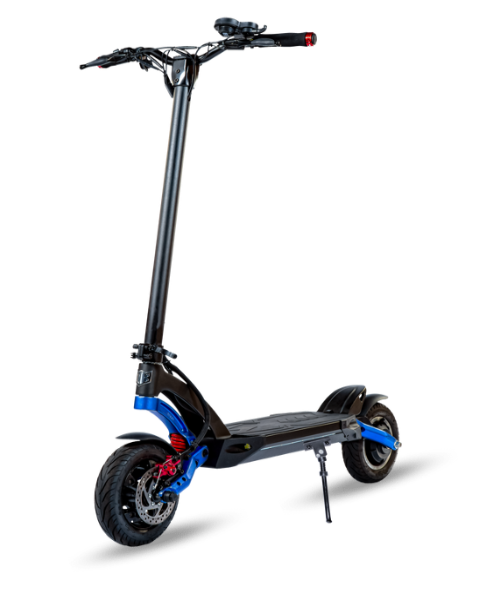
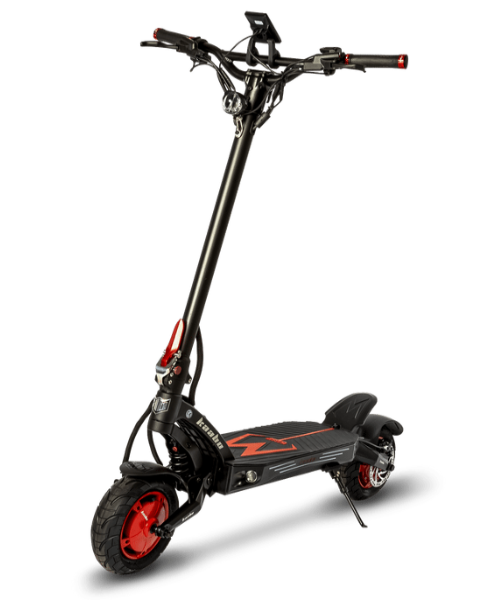
This guide covers the full maintenance stack for electric scooters. That means batteries, tires, brakes, motors, and frames — with specific guidance for high-performance machines running hydraulic brake systems and dual-motor drivetrains. Whether you ride a commuter model or a performance platform like the Mantis King GT, the same principles apply at different service intervals.
Most maintenance content online treats all scooters the same. A 250W folding commuter and a 2000W dual-motor performance scooter do not share the same service needs. This guide makes that distinction clearly.
Quick Answer: Electric scooter maintenance covers six core areas: battery care, tire pressure checks, brake inspection, motor cleaning, bolt torque checks, and firmware updates. Battery cells should charge between 20–80% for daily use. Tires need pressure checks every two weeks. Hydraulic brakes need fluid bleeding every 6–12 months. A full service schedule prevents 80% of common mechanical failures.
Electric Scooter Maintenance Schedule: What to Do and When
A structured schedule beats reactive repairs every time. Most riders wait for something to fail before opening a tool kit — and that approach costs far more than ten minutes of weekly checks.
The table below outlines the core electric scooter maintenance tasks by frequency:
| Task |
Frequency |
Time Required |
| Tire pressure check |
Every 2 weeks |
5 minutes |
| Bolt and fastener torque check |
Monthly |
15 minutes |
| Brake pad inspection |
Monthly |
10 minutes |
| Battery terminal cleaning |
Monthly |
10 minutes |
| Full brake system check |
Every 3 months |
20 minutes |
| Hydraulic brake fluid bleed |
Every 6–12 months |
45 minutes |
| Motor and drivetrain inspection |
Every 6 months |
30 minutes |
| Full deep clean |
Every 3 months |
60 minutes |
Stick to this schedule and most mechanical issues appear before they become failures. Deviation from it is where problems start.
Weekly and Fortnightly Checks
Before each ride, check the tire pressure visually and confirm the brakes engage firmly before you reach speed. Every two weeks, use a pressure gauge to verify exact PSI. Most 10-inch pneumatic tires on performance scooters run best between 40–50 PSI. Under-inflation by 10 PSI increases rolling resistance and accelerates sidewall wear.
Also check the stem clamp and handlebar clamp every two weeks. Vibration from high-speed riding loosens fasteners faster than most riders expect — especially on off-road terrain.
Monthly Checks
Each month, check all visible bolts with a torque wrench. Kaabo recommends specific torque values in their service documentation for each model. Use thread-locking compound (such as Loctite 243) on fasteners that repeatedly loosen. Clean the battery terminals with a dry cloth to prevent corrosion buildup. Inspect brake pads for wear — most hydraulic pads need replacement below 1mm of usable material.
Electric Scooter Battery Care: The Biggest Factor in Long-Term Range
Battery degradation causes more long-term performance loss than any other single factor. A well-maintained lithium-ion pack on a premium scooter retains over 80% capacity after 500 full charge cycles. A poorly managed one can drop to 70% capacity in under 200 cycles.
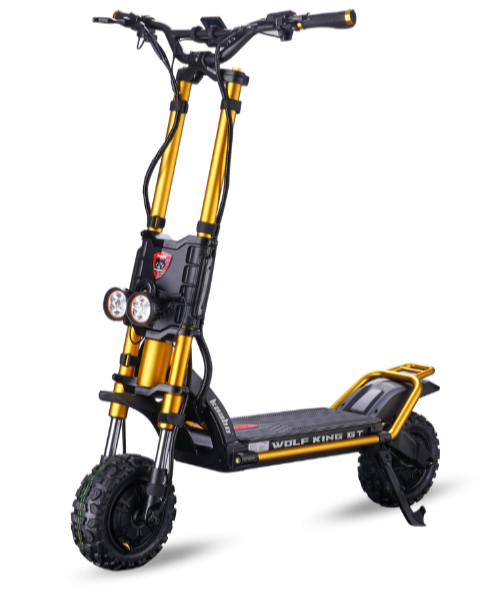
The cells matter here. Premium models like the Kaabo Wolf King GT run LG M50 and Samsung 50E 21700-format cells — both engineered for high cycle counts under proper charge management. Budget scooters often use unbranded cells with significantly shorter lifespans. The advice below applies to any lithium-ion pack, but delivers the most benefit in quality-cell batteries.
Charging Habits That Protect Cell Life
Charge the battery to 80–90% for regular daily use. Charging to 100% every day accelerates cell degradation through a process called lithium plating — where excess lithium ions deposit on the anode rather than integrating cleanly. According to Battery University’s lithium-ion research, keeping a lithium cell between 20% and 80% state of charge extends cycle life by up to 200%.
Only charge to 100% before a long ride where you need full range. After that ride, drop back to your standard 80% top-off routine.
Never store the battery below 20% charge. Deep discharge damages the cell chemistry and can trigger a low-voltage lockout that requires professional recovery. Store the scooter at 50–60% charge if you won’t ride it for more than two weeks.
Temperature and Storage
Lithium-ion cells degrade faster above 35°C and below 0°C. Store your scooter indoors during winter. Avoid charging immediately after a hard ride — let the battery cool for 30 minutes before connecting the charger. Heat from both riding and charging simultaneously accelerates cell aging in ways that don’t show up immediately but reduce range over months.
Tire Maintenance for Electric Scooters: Pressure, Wear, and Replacement
Tires affect every part of the riding experience — range, handling, braking distance, and comfort. Yet tire maintenance gets less attention than any other system on most scooters.
Pneumatic tires on high-performance electric scooters need pressure checks every two weeks. Road debris, temperature changes, and normal permeation through the tube all reduce pressure over time. A tire that starts a week at 45 PSI can drop to 38 PSI by the end of it — enough to noticeably soften handling and reduce braking performance.
Checking and Adjusting Tire Pressure
Use a digital pressure gauge for accuracy. Mechanical gauges can read 3–5 PSI off, which matters on a small-volume tire. Check pressure when the tire is cold — at least 30 minutes after riding — because heat from riding temporarily increases pressure readings.
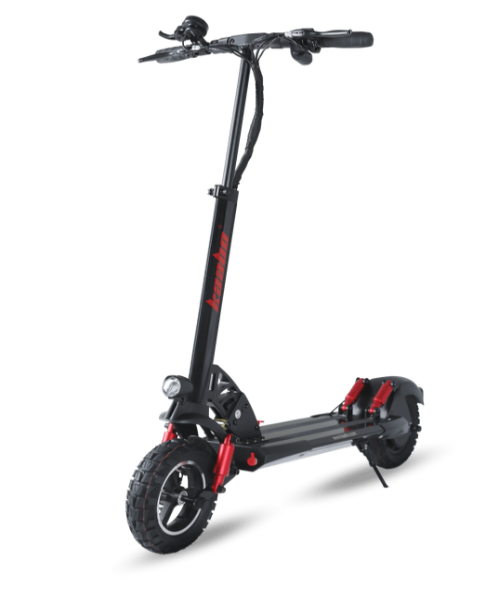
Performance scooters with 11-inch vacuum off-road tires (like those on the Kaabo Wolf King GT) typically run 35–45 PSI. Street-optimized tires on commuter models often run 45–55 PSI. Always check the manufacturer’s recommended range, which appears on the tire sidewall or in the owner’s manual.
Tire Wear and Replacement
Inspect the tread depth monthly. Most electric scooter tires start with 4–5mm of tread. Replace them when tread depth drops below 1.5mm — at that point, wet-weather braking distance increases significantly. Uneven wear (more wear on one side) points to misaligned axle nuts or chronic under-inflation. Fix the root cause before fitting a new tire, or you’ll wear through the replacement at the same rate.
Brake Maintenance: Cable Disc vs Hydraulic Systems
Brake maintenance on electric scooters splits into two categories depending on the system. Cable disc brakes dominate budget and mid-range scooters. Hydraulic disc brakes appear on high-performance platforms. Each system needs different care.
Cable disc brakes need cable tension checks every month. Cables stretch over time, so the lever travel gradually increases until braking force drops. Adjust the barrel adjuster at the lever to tighten slack. Replace the cable when you see fraying at the clamp point — frayed cables fail suddenly, not gradually.
Hydraulic Brake Maintenance
Hydraulic systems on performance scooters — including the EABS-equipped setup on Kaabo’s performance lineup — deliver stronger, more consistent braking than cable systems. However, they need more specific care.
Check the fluid level every three months. Most performance electric scooter hydraulic systems use DOT 4 brake fluid or mineral oil — check your model’s manual before adding fluid, because mixing the two causes seal damage. Bleed the system every 6–12 months to remove air bubbles that reduce braking firmness. Air in the lines produces a spongy lever feel — that’s the warning sign.
Replace brake pads when the friction material drops below 1mm. Riding on worn pads damages the rotor surface, which turns a £15 pad replacement into a £60+ rotor replacement.
EABS and Regenerative Braking
Scooters with EABS (Electronic Anti-lock Braking System), such as the Mantis King GT, combine hydraulic braking with motor-level regenerative braking. The regenerative system activates first and recovers energy while slowing the scooter. It also reduces mechanical brake wear significantly. Even so, inspect the hydraulic pads on the same schedule — the regenerative system supplements the mechanical brakes, it doesn’t replace them.
Frame, Motor, and Electrical Maintenance
A clean scooter is easier to inspect and lasts longer. Dirt and moisture accelerate corrosion on aluminum frames and can work into motor housings and electrical connectors over time.
Clean the frame monthly with a damp cloth and mild soap. Avoid high-pressure water on electrical connectors, the motor housing, and the charging port. Most performance scooters carry an IP54 water resistance rating — that protects against splashing water, not a direct jet. High-pressure washing forces water past seals that aren’t designed to stop it.
Motor Inspection
Brushless hub motors on electric scooters need minimal internal maintenance. However, check the motor housing for cracks, and inspect the axle nuts for tightness every month. A loose axle nut on a dual-motor scooter creates handling imbalance that gets worse fast. Tighten to the manufacturer’s specified torque — over-tightening stresses the dropout.
Wipe the motor housing with a dry cloth after wet rides. If water enters the motor through a damaged seal, it causes winding corrosion that degrades motor efficiency before it causes an outright failure.
Electrical Connectors and Firmware
Check all visible wiring connectors every three months. Push each connector firmly to ensure full seating — vibration can back connectors out slightly, increasing resistance and causing intermittent power loss. Apply dielectric grease to exposed connectors in wet climates.
Kaabo releases firmware updates for their display controllers periodically. Connect to the TFT display settings and check the firmware version against the latest release on Kaabo’s support page. Firmware updates often improve throttle response, regenerative braking calibration, and speed limit accuracy.
Frequently Asked Questions
How often should I service my electric scooter?
Electric scooter maintenance follows a tiered schedule. Check tire pressure every two weeks and tighten bolts monthly. Inspect brakes every month and service hydraulic fluid every 6–12 months. A full deep clean and drivetrain inspection every three months catches most issues before they become expensive repairs.
How do I extend my electric scooter battery life?
Charge the battery to 80–90% for daily use instead of 100%. Keep the battery above 20% charge at all times. Store the scooter indoors at 50–60% charge during long periods of non-use. Avoid charging in extreme heat or cold. These habits can extend electric scooter battery life by 200 or more charge cycles.
When should I replace electric scooter brake pads?
Replace electric scooter brake pads when the friction material drops below 1mm. Check pad thickness monthly by visually inspecting the caliper through the rotor gap. Worn pads produce a grinding noise and reduced stopping force. Replacing them promptly protects the rotor surface and avoids a more expensive combined pad-and-rotor replacement.
How do I know if my electric scooter tires need air?
Check tire pressure every two weeks with a digital gauge when the tire is cold. Most pneumatic electric scooter tires run 35–55 PSI depending on the model. A tire below the minimum recommended PSI feels sluggish and soft in corners. Electric scooter maintenance starts with tire pressure — it affects range, braking, and handling simultaneously.
Can I wash my electric scooter with a hose?
Rinse with low-pressure water only. Most performance electric scooters carry an IP54 water resistance rating, which handles splashing but not directed jets. High-pressure water forces moisture past seals on the motor housing, charging port, and electrical connectors. Use a damp cloth on those areas. After any wet wash, dry the scooter fully before charging or storing.
What causes electric scooter range to drop over time?
Battery cell degradation causes most long-term range loss. Lithium-ion cells lose capacity each charge cycle, with the rate depending on charging habits and temperature management. Tire under-inflation also reduces range — a 10 PSI drop increases rolling resistance measurably. Motor bearing wear and brake drag from misadjusted calipers contribute additional losses that proper electric scooter maintenance prevents.
Consistent Electric Scooter Maintenance Protects Your Investment
A performance electric scooter represents a significant investment. The LG/Samsung 21700 cell packs, hydraulic braking systems, and 6061-T6 aluminum alloy frames that go into premium machines hold their performance longer when you maintain them on schedule. Skip the routine and the degradation is gradual — you won’t notice any single day, but after six months the difference shows clearly.
The maintenance schedule in this guide takes less than two hours per month in total. That time investment directly translates to longer battery life, predictable braking, consistent tire grip, and a frame that doesn’t rattle or corrode.
For riders on high-performance platforms, the stakes are higher because the systems are more complex. Hydraulic brakes need fluid. Dual motors need axle checks. Firmware controls braking calibration. None of that manages itself.
Start with tire pressure and battery habits — those two changes alone stop the most common forms of premature degradation. Then build toward the full monthly and quarterly schedule. If you’re looking for a scooter built to reward that kind of care, explore the Kaabo Mantis King GT — a platform designed with serviceable components and a frame built to last well beyond its warranty period.
 Español
 French