Blogs

Blogs

The Complete Parents’ Guide to Electric Scooter Safety for Kids

Electric Scooter Safety for Kids

Electric scooters have quickly become one of the most popular ways for kids to have fun outdoors. They feel modern, exciting, and independent — all things children naturally love. But for parents, excitement often comes with concern. Questions about age limits, safety gear, traffic risks, and injury statistics come up almost immediately.

That’s why Electric Scooter Safety for Kids is no longer a “nice-to-know” topic. It’s essential parenting knowledge.

Unlike traditional kick scooters, electric scooters introduce speed, weight, and mechanical complexity. When handled responsibly, they can be safe and enjoyable. When used without guidance, they can cause serious injuries. This guide is designed to give parents a complete, practical understanding of how to protect their children while still letting them enjoy the ride.


Why Electric Scooter Safety for Kids Is a Growing Concern

Over the past decade, electric scooters have moved from novelty items to everyday transportation tools. Cities, suburbs, and school neighborhoods now regularly see children riding electric scooters to parks, friends’ houses, and even school.

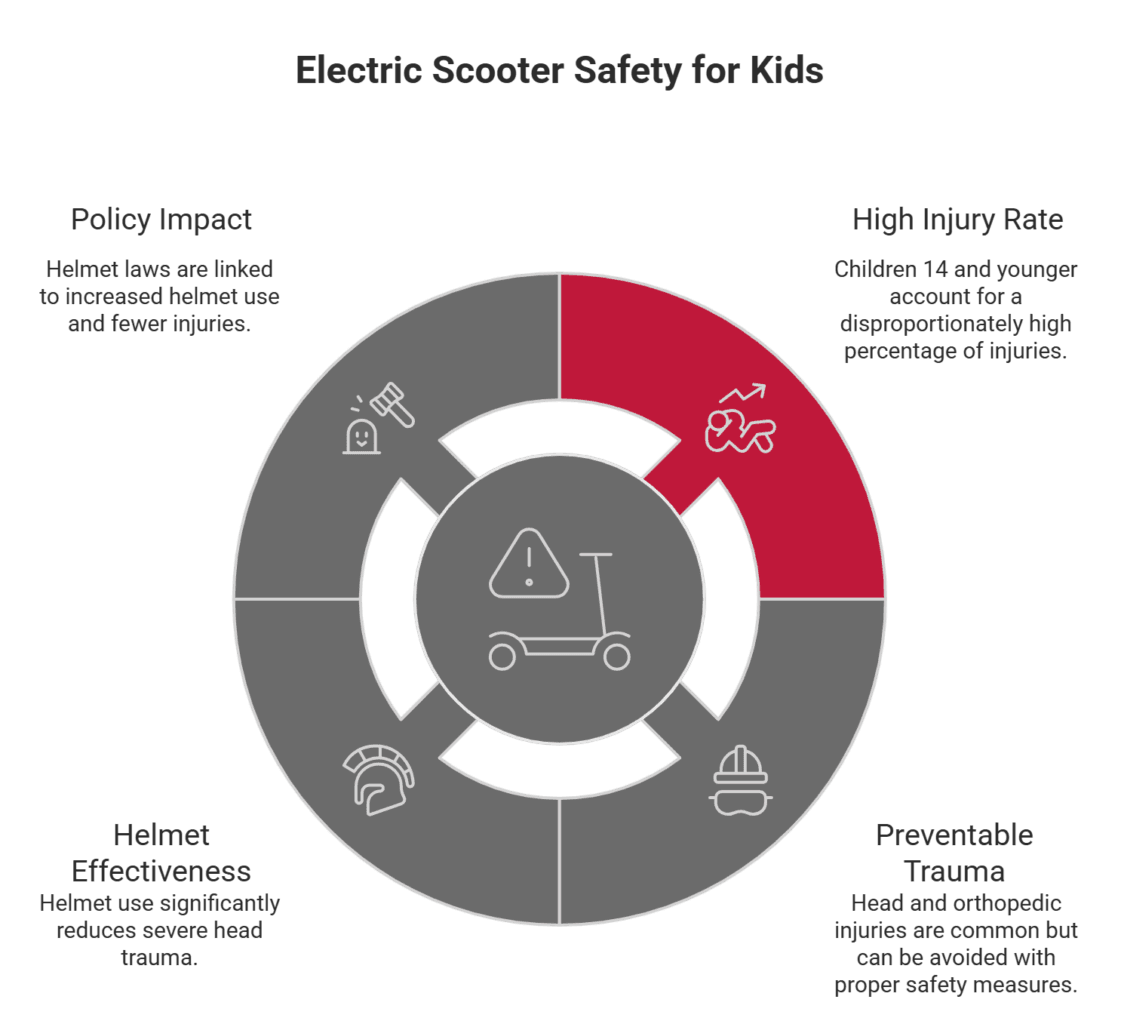
According to injury surveillance data from the U.S. Consumer Product Safety Commission, emergency room visits related to electric scooters and similar micromobility devices have risen dramatically since 2017. Children under 15 account for a significant portion of these injuries, often due to falls, loss of control, or collisions with obstacles. Many of these injuries involve the head, wrists, elbows, and knees — areas that are frequently unprotected.

What’s more concerning is that a large percentage of injured children were not wearing helmets at the time of the accident. This alone highlights why Electric Scooter Safety for Kids must start with education, not reaction.

As scooters become faster and more accessible, parents must take an active role in setting boundaries, choosing appropriate equipment, and teaching safe riding habits early.

Why Electric Scooter Safety for Kids matters

Understanding the Real Risks of Electric Scooters for Children

Electric scooters may look simple, but they behave very differently from bicycles or kick scooters.

First, electric scooters accelerate instantly. A child who is still developing balance and coordination may not be ready for sudden bursts of speed. Second, smaller wheels struggle with cracks, gravel, and uneven pavement, which can cause sudden falls. Third, braking systems require practice — improper braking is one of the leading causes of crashes among young riders.

Studies published in pediatric injury journals show that most electric scooter injuries are not caused by traffic accidents but by single-rider falls. This means many injuries are preventable with proper training, speed control, and protective gear.

Understanding these risks helps parents focus on prevention rather than restriction. Electric Scooter Safety for Kids is about managing risk intelligently, not banning scooters altogether.


Choosing the Right Electric Scooter for Your Child

One of the most overlooked aspects of safety is scooter selection. Not all electric scooters are designed for children, and choosing the wrong model dramatically increases injury risk.

A child’s scooter should match their:

  • – Height and weight
  • – Balance and coordination level

  • – Riding environment

  • – Experience with similar devices

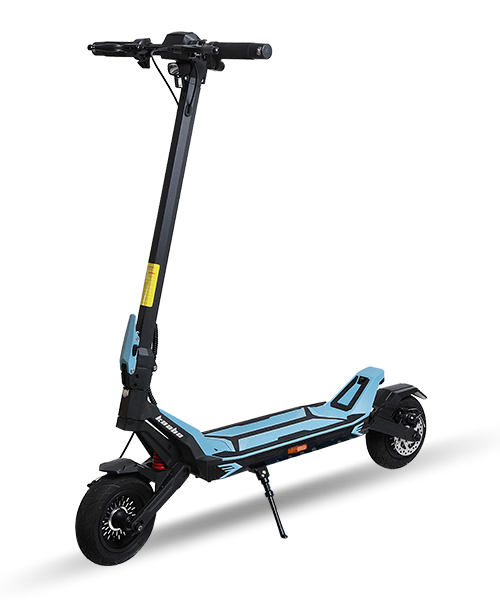
For younger riders, lower top speeds (around 8–10 mph) are far safer. Heavier scooters with powerful motors may be difficult for children to control, especially during turns or emergency stops.

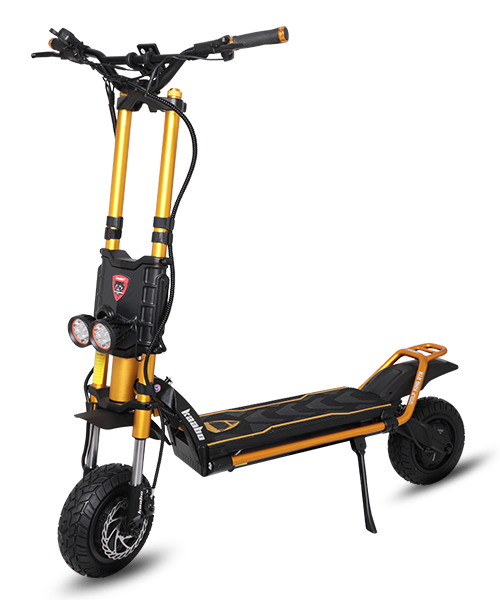
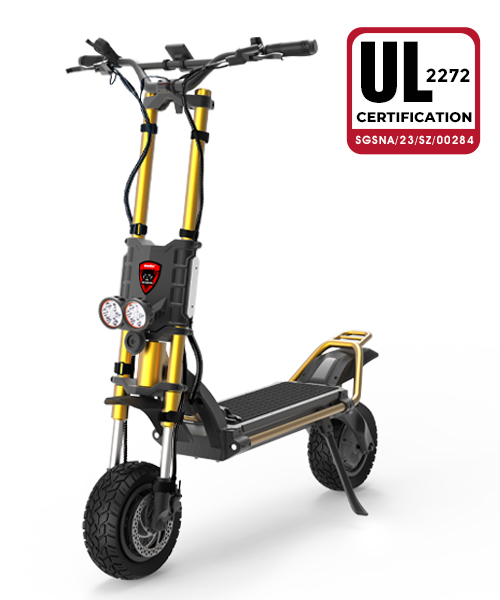
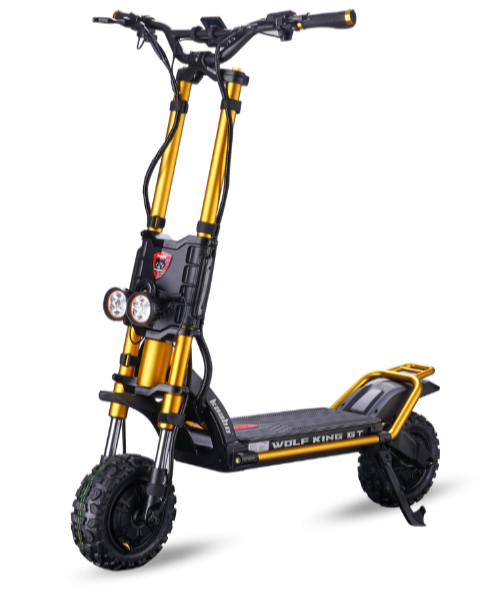
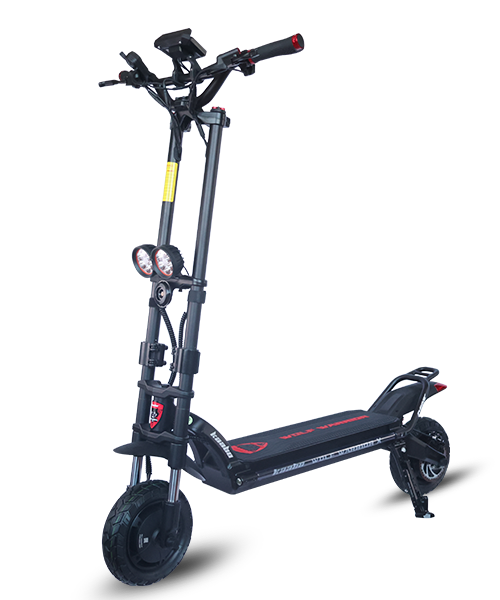
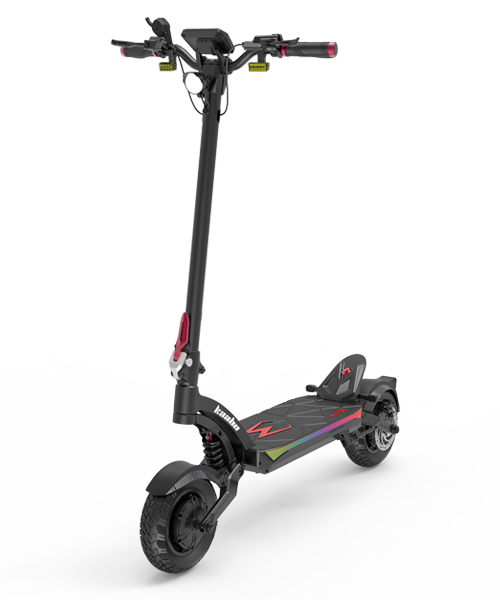
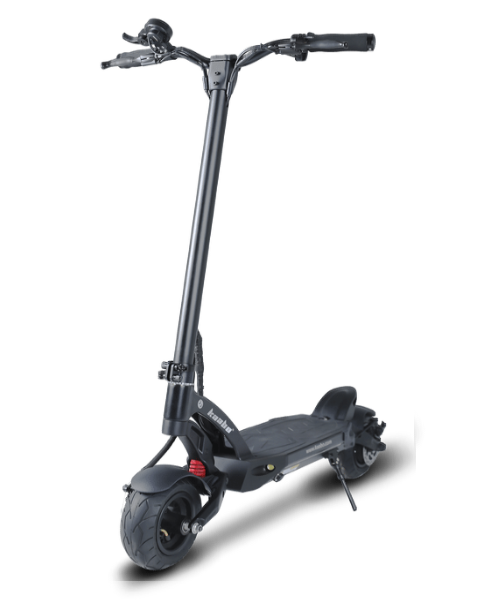
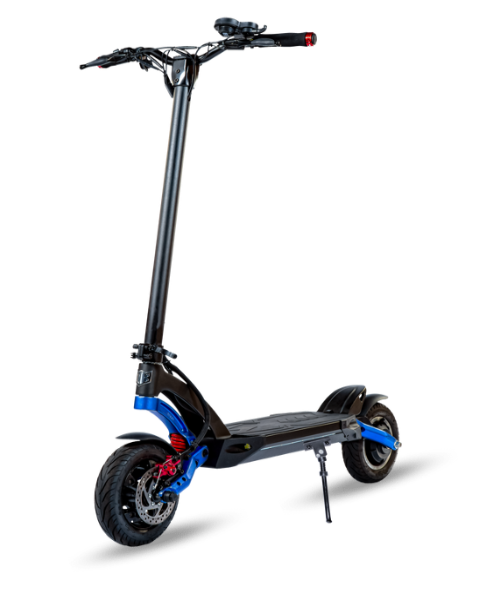
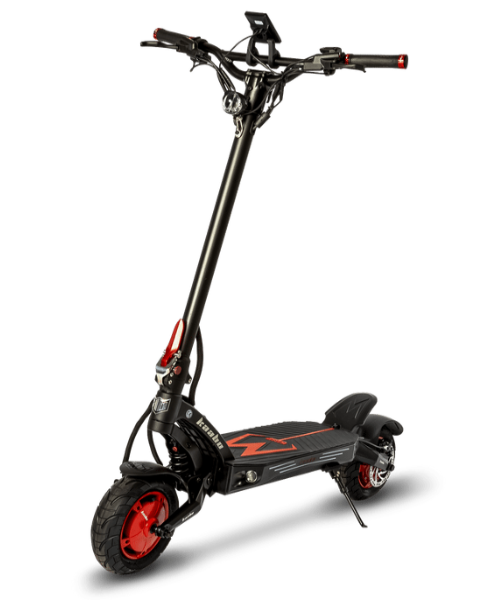
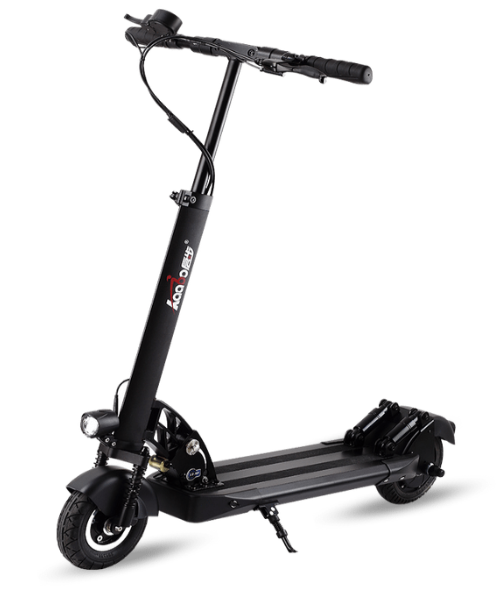
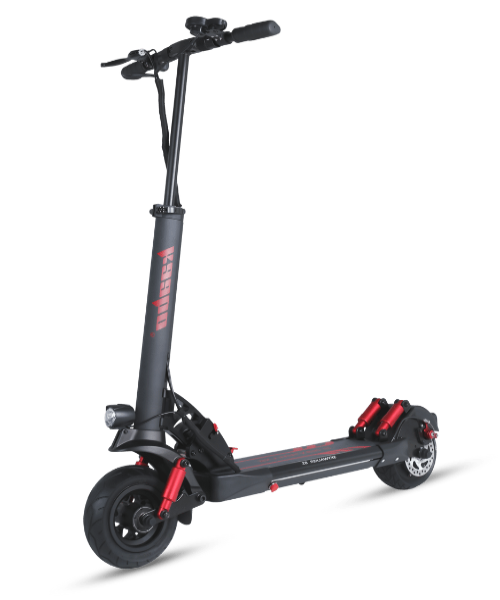
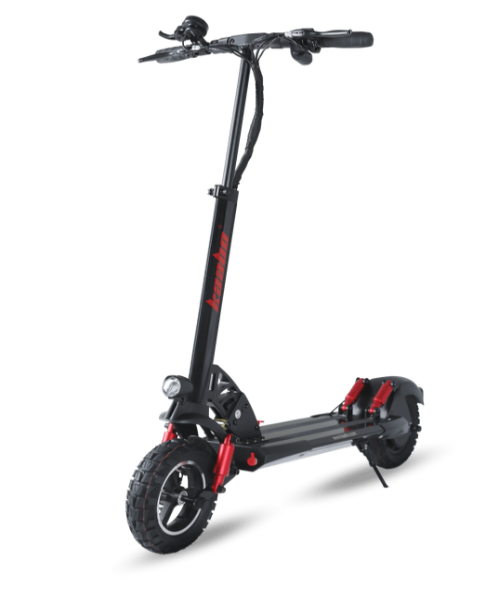
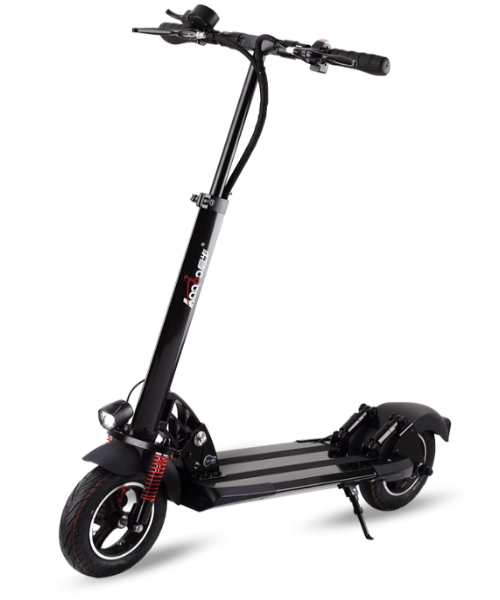
Many manufacturers now design scooters specifically for younger riders, with limited speed modes and simplified controls. Parents researching reputable brands often review safety-focused manufacturers such as Kaabo, which publishes detailed specifications and safety guidance on its official website (internal link: https://www.kaabo.com/).

Always read the manufacturer’s age and weight recommendations carefully. Ignoring them defeats the purpose of Electric Scooter Safety for Kids.


Age Guidelines and Maturity: What Parents Should Really Consider

There is no single “perfect age” for electric scooter riding. Age alone does not determine readiness — maturity and responsibility matter just as much.

Medical organizations like the American Academy of Pediatrics caution against allowing young children to ride high-powered electric scooters. Many experts recommend waiting until at least the early teenage years for unrestricted riding, especially in areas with traffic.

However, supervised riding on low-speed scooters can be appropriate for younger children if strict rules are followed. Parents should assess whether their child can:

  • – Follow instructions consistently

  • – Understand basic traffic awareness

  • – React calmly to unexpected situations

  • – Brake smoothly without panic

If the answer to any of these is “no,” then Electric Scooter Safety for Kids means waiting a little longer.


Protective Gear That Actually Makes a Difference

Helmets are not optional — they are the foundation of safety.

Multiple studies show that helmet use significantly reduces the risk of severe head injury. Despite this, helmet usage among child scooter riders remains low. This gap between knowledge and behavior is one of the biggest challenges parents face.

A properly fitted helmet should sit level on the head, cover the forehead, and feel snug without discomfort. Beyond helmets, knee pads, elbow pads, and wrist guards greatly reduce injury severity, especially for beginners.

Closed-toe shoes with good grip are another critical but often ignored element. Loose sandals or slippery footwear increase fall risk and reduce braking control.

Electric Scooter Safety for Kids improves dramatically when protective gear becomes a non-negotiable habit rather than a suggestion.


Teaching Kids How to Ride Safely From Day One

Safety doesn’t start on the street. It starts in a controlled environment.

Begin training in an open, flat area such as a driveway or empty parking lot. Teach children how to:

  • – Start smoothly without sudden acceleration

  • – Maintain steady balance

  • – Use both brakes evenly

  • – Look ahead instead of down

Practice emergency stops at low speeds so children learn how the scooter reacts. Gradually introduce turns, obstacles, and uneven surfaces.

Parents who actively teach riding skills reduce accident risk far more effectively than those who rely on warnings alone. Electric Scooter Safety for Kids depends heavily on hands-on learning.


Where Kids Should and Should Not Ride Electric Scooters

Location plays a huge role in safety.

Busy roads, intersections, and areas with fast-moving traffic are not appropriate for young riders. Sidewalks may seem safer, but they present their own risks due to pedestrians, pets, and driveways.

Whenever possible, quiet residential streets or designated bike paths are better options. Always check local laws — some cities restrict electric scooter use on sidewalks or require helmets by law.

Parents should set clear boundaries about riding zones and enforce them consistently. This is a key but often underestimated part of Electric Scooter Safety for Kids.


Speed Control, Riding Modes, and Smart Technology

Modern electric scooters often include safety-focused technology that parents should take advantage of.

Speed limiters and beginner modes allow parents to restrict how fast a scooter can go. Some models even allow app-based controls, enabling parents to adjust speed remotely.

Encouraging children to start in the lowest power mode builds confidence without unnecessary risk. As skills improve, speed can be increased gradually.

Choosing scooters with adjustable safety features shows a proactive commitment to Electric Scooter Safety for Kids rather than relying on rules alone.


Common Causes of Electric Scooter Accidents — and How to Avoid Them

The most common causes of scooter accidents among children include:

  • – Riding too fast for conditions

  • – Poor braking technique

  • – Riding on uneven or wet surfaces

  • – Distractions such as phones or headphones

Teaching kids to slow down, stay alert, and respect road conditions reduces these risks significantly. Routine maintenance checks — tires, brakes, and battery condition — should also be part of the routine.

Safety is not one rule; it’s a system. Electric Scooter Safety for Kids works best when every small precaution adds up.


Building Daily Safety Habits That Stick

Consistency matters more than lectures.

Encourage children to perform a quick safety check before every ride. Over time, this becomes second nature. Parents who model safe behavior — wearing helmets themselves, respecting traffic rules — reinforce the message more effectively than words alone.

Establishing habits early ensures Electric Scooter Safety for Kids becomes automatic rather than enforced.


FAQs Parents Ask Most Often

Is an electric scooter safe for kids?

Yes, when used correctly. Electric Scooter Safety for Kids depends on proper scooter selection, protective gear, supervision, and riding environment.

What is the safest speed for a child?

For younger children, speeds under 10 mph are safest. Gradual increases should only happen after consistent safe riding, reinforcing Electric Scooter Safety for Kids.

Are helmets really necessary for short rides?

Absolutely. Most accidents happen close to home. Helmets are a cornerstone of Electric Scooter Safety for Kids.

Can kids ride electric scooters to school?

Only if local laws allow it and the route is safe. Parents should assess traffic, crossings, and storage options while prioritizing Electric Scooter Safety for Kids.

How often should a scooter be checked?

A quick inspection before every ride and a deeper check weekly ensures mechanical issues don’t compromise Electric Scooter Safety for Kids.


A Smarter Way to Let Kids Enjoy the Ride

Electric scooters don’t have to be dangerous. With the right approach, they can teach responsibility, balance, and independence.

Electric Scooter Safety for Kids is about informed choices — choosing the right scooter, enforcing protective gear, teaching skills early, and setting clear boundaries. When parents stay involved and consistent, electric scooters become a source of joy instead of worry.

Contact Us

Address: 3rd Floor, Building B3, Shanshan New Energy Base, NO.238 Yunlin Middle Road,Haishu District, Ningbo Zhejiang

Email: [email protected]

Hotline: +86- 574- 8832 1118

Social Media
Social Media

No spam, notifications only about new products, updates.

Let's get in touch

WE'D LOVE TO HEAR FROM YOU​

100

Global Partners

60

Exporting countries

180

Registered patents

300 000

Global Riders