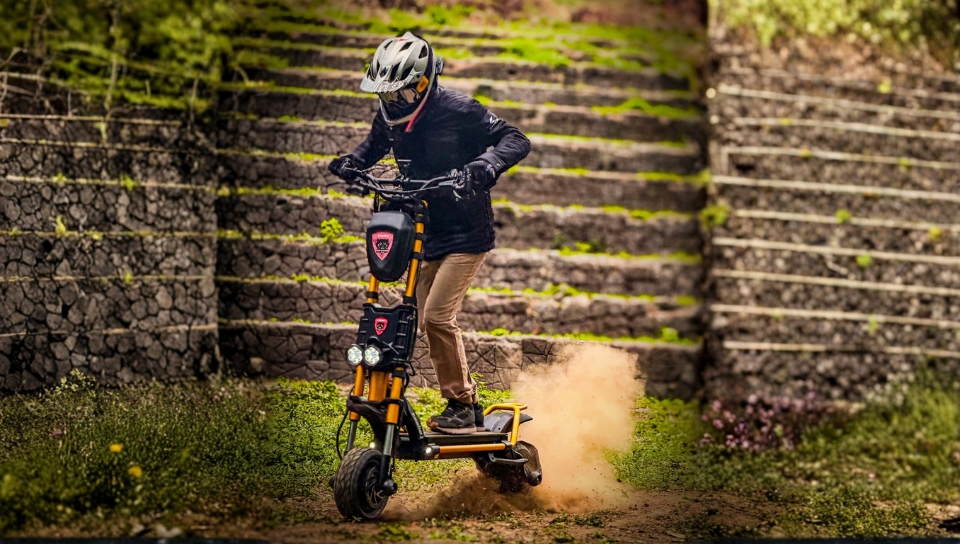
Every year, tens of thousands of riders end up in emergency rooms after electric scooter accidents that were preventable. A 2024 report from the U.S. Consumer Product Safety Commission found that e-scooter-related ER visits rose nearly 80% in a single year — and fewer than 1% of injured riders were wearing a helmet. Electric scooter safety is not a complicated subject. However, most riders skip the basics, and that gap between knowledge and habit is where injuries happen.
This guide covers everything a rider needs: the right protective gear, pre-ride checks, road rules, how to handle real-world hazards, and how scooter specs themselves affect safety. Whether you commute daily or ride on weekends, these are the habits that separate safe riders from statistics.
Quick Answer: Electric scooter safety requires a certified helmet (CPSC or EN 1078), knee and wrist guards, a pre-ride mechanical check, and strict compliance with local speed limits — typically 15–20 mph (25–32 km/h). Riders should stay in designated bike lanes, avoid wet roads at speed, never carry a passenger, and always ride sober. Following these core practices reduces injury risk by over 70%.
Why Electric Scooter Safety Matters More Than Ever in 2026
Electric scooter safety is no longer a niche concern — it is a public health issue. According to data tracked by consumer injury databases at the CPSC, e-scooter and e-bike injuries soared 21% in a single recent reporting period. Separate tracking by eRideHero’s 2025 accident report places the 2020–2024 injury growth at nearly 300% in U.S. emergency departments.
These numbers reflect a simple reality: more people are riding, and many are not riding safely.
Head injuries account for over 18% of all e-scooter injuries. The age group most affected is 15–24-year-olds. Males represent nearly 68% of all injured riders. But the most striking stat is helmet use: fewer than 1 in 100 injured riders wore a helmet when the accident happened.
The risk profile of e-scooter accidents is also different from what most people expect. Most accidents do not involve cars. Riders tend to crash because they hit a pothole, lose control on loose gravel, or collide with a pedestrian on a sidewalk. The danger often comes from the pavement beneath the wheels — not the traffic around them.
Understanding this changes how you prepare.
How Scooter Speed and Power Affect Risk
A higher top speed does not automatically mean a higher crash risk. However, it does mean that any crash carries more energy. A scooter capable of 50 km/h (31 mph) demands proportionally better brakes, tires, and rider skill than one limited to 25 km/h (15 mph).
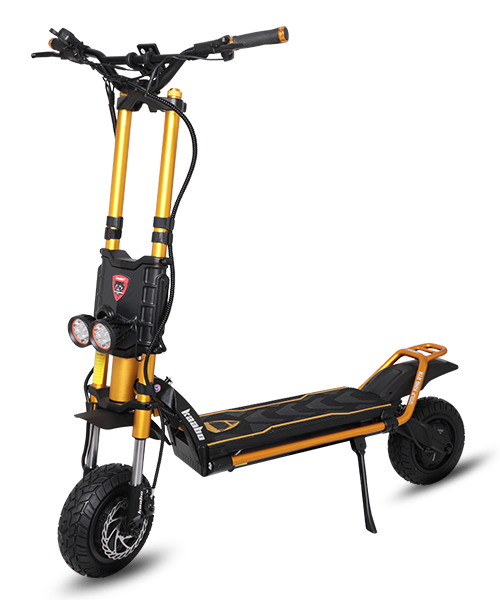
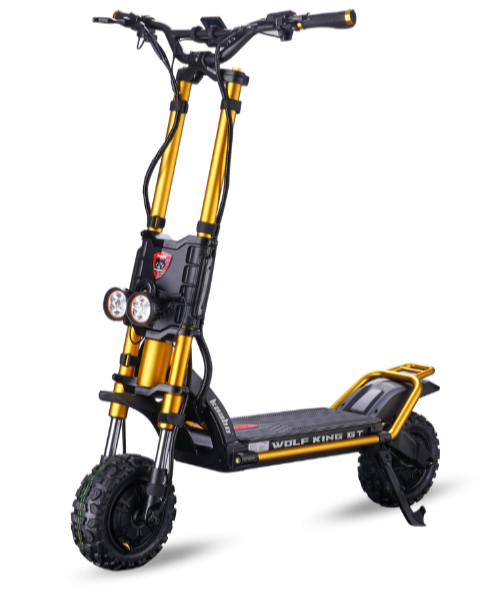
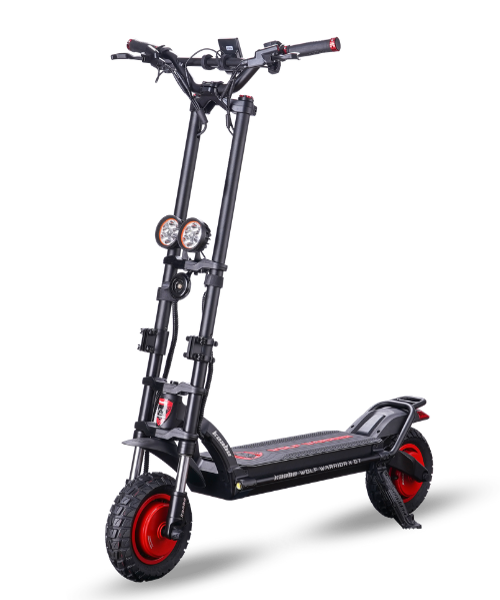
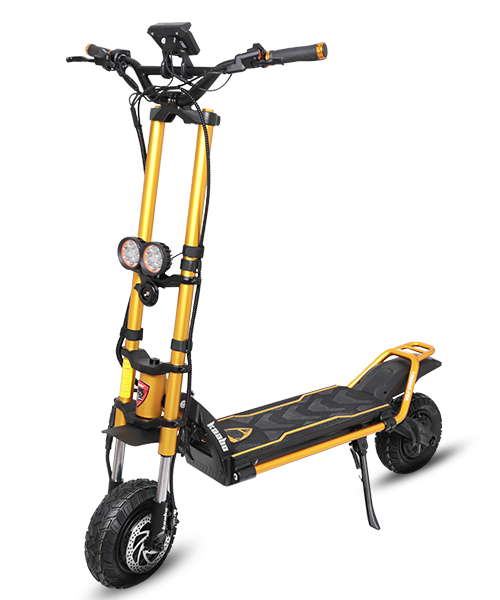
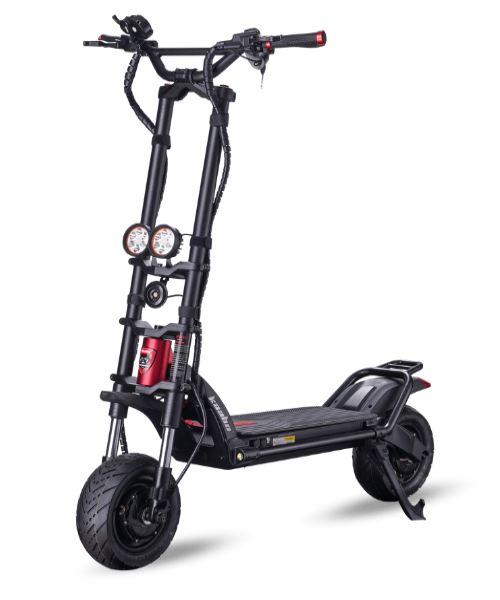
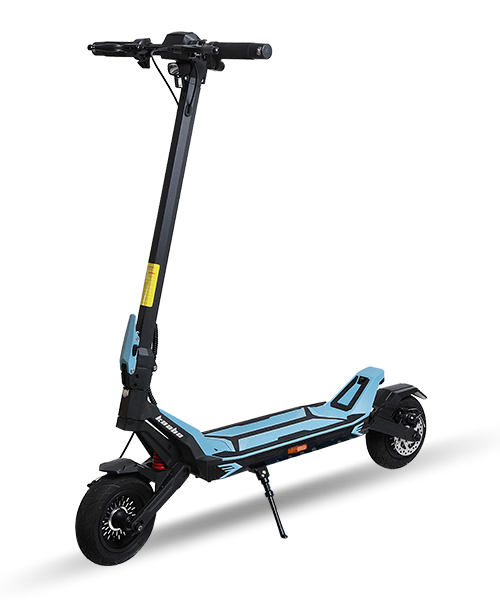
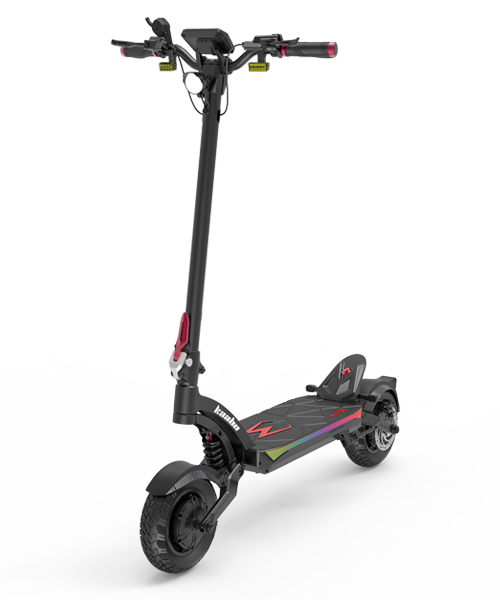
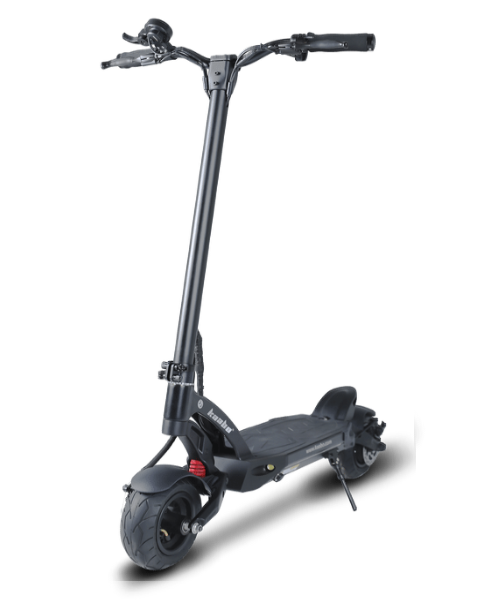
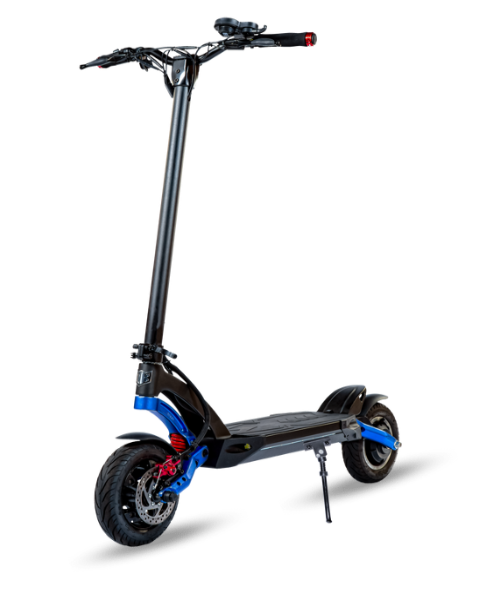
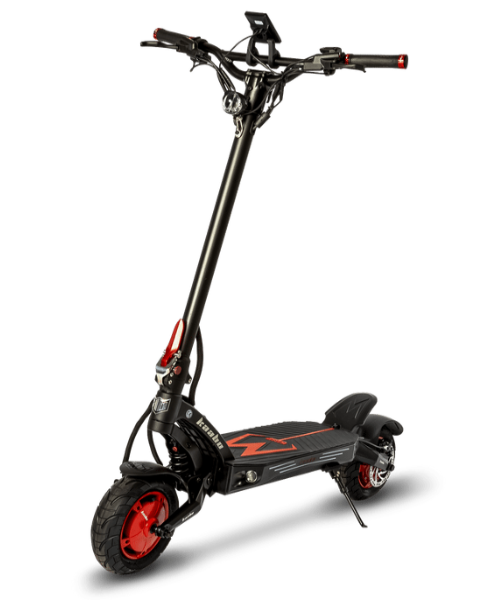
Kaabo builds several tiers of performance scooters. The Kaabo Mantis King GT reaches up to 70 km/h with dual motors and large pneumatic tires — making suspension quality and braking response critical safety features, not just comfort upgrades. The Kaabo Wolf King GT, running dual 2,000W motors, requires a rider who understands progressive throttle control and weight distribution under hard acceleration.
Choosing the right scooter for your actual use case is a safety decision, not just a preference.
Essential Electric Scooter Safety Gear: What Actually Protects You
The right gear reduces serious injury risk by a dramatic margin. Knowing which standards to look for makes the difference between real protection and marketing claims.
Helmet: The Non-Negotiable Item
No single piece of gear matters more than a helmet. A helmet certified to CPSC (Consumer Product Safety Commission) standards in the US, or EN 1078 in Europe, has passed impact tests that match real-world scooter fall scenarios. Helmets with MIPS (Multi-directional Impact Protection System) add a second layer of protection against rotational forces — which are responsible for many traumatic brain injuries — by allowing about 10–15 mm of rotational movement inside the shell on impact.
Full-face helmets offer chin and jaw protection that open-face models cannot. For high-speed models like the Kaabo Wolf King GTR Max, a full-face design is strongly recommended.
Wrist Guards, Knee Pads, and Elbow Protection
When a rider falls, the hands go out first. That reflex is automatic and impossible to suppress. Wrist guards with rigid splints prevent the most common fracture pattern in e-scooter falls. Knee and elbow pads do not need to be bulky — modern guard sets use D3O or similar impact-absorbing polymers that remain flexible during normal movement and stiffen on impact.
High-Visibility Clothing and Lights
Roughly 30% of serious e-scooter accidents involve low-visibility conditions — dawn, dusk, or nighttime. A reflective vest or jacket, combined with front white and rear red lights, dramatically increases how early drivers spot you. Adding reflective tape to your helmet and ankles creates moving points of light that attract driver attention better than static reflectors on the scooter.
Most Kaabo scooters come with front and rear LED lighting built in. However, adding a secondary rear blinker is worthwhile for regular commuters.
Electric Scooter Safety Check: What to Inspect Before Every Ride
A three-minute pre-ride check prevents most mechanical failures on the road. These are the items that matter.
| Component |
What to Check |
Why It Matters |
| Tires |
Pressure (PSI per manufacturer spec), no visible cuts or bulges |
Under-inflated tires reduce braking distance and cornering grip |
| Brakes |
Both levers firm, pads not worn, disc not warped |
Brake failure is a leading cause of loss-of-control crashes |
| Lights |
Front white, rear red — both functional |
Legal requirement in most jurisdictions at night |
| Folding latch |
Locked securely with no lateral play |
A loose latch can cause the scooter to fold under load |
| Battery level |
Sufficient range for the trip with margin |
Unexpected shutdown at speed is dangerous |
| Throttle & bell |
Smooth response, no sticking |
Sticky throttle creates unintended acceleration |
| Deck |
No debris, grip tape intact |
Foot slip is a common cause of single-rider falls |
Run this check every time. It takes less time than buckling a helmet — and most riders who do it find a small issue within the first week.
Riding Rules That Directly Reduce Electric Scooter Safety Risk
These are not vague tips. Each rule below maps directly to a documented accident pattern.
Stay in designated lanes. Most e-scooter accidents happen on sidewalks and mixed pedestrian spaces, not roads. When a bike lane is available, use it. When it is not, ride on the right side of the road, predictably, at a consistent speed.
Match speed to the surface. Wet pavement reduces braking effectiveness significantly. Gravel, painted road markings, metal grates, and fallen leaves are all low-friction surfaces. Slow down before you reach them — not on them. A scooter doing 30 km/h on a wet painted crosswalk has approximately 40% less grip than on dry asphalt.
Never carry a passenger. Every Kaabo scooter is engineered and certified for a single rider. Adding a second person shifts the center of gravity, exceeds rated load capacity, and removes the rider’s ability to respond quickly to hazards. It also voids the warranty and, in many jurisdictions, creates personal liability.
Keep both hands on the handlebars. Steering corrections at speed require both hands. Reaching for a phone or adjusting a bag while riding is a documented accident cause. If you need to stop, pull over.
Never ride impaired. Reaction time under alcohol drops sharply even below the legal driving limit. E-scooter DUI laws now exist in most US states, the UK, Germany, and Australia. The penalties include fines, license impacts, and in some cases, criminal charges.
Scan intersections actively. Do not assume right-of-way. Look left-right-left before crossing any intersection, even on a green light. Most car-scooter collisions happen at intersections where the driver failed to yield — but defensive riding keeps you out of that scenario.
How to Handle Common Electric Scooter Safety Hazards
Real-world riding involves situations that no parking lot practice run fully prepares you for. Here is how to handle the four most common hazards.
Potholes and Road Debris
Spot them early and change line gradually. If you cannot avoid a pothole, rise slightly off the deck, bend your knees, and let the scooter absorb the impact without your full weight pressing down. Pneumatic tires — standard on models like the Kaabo Mantis X — handle road imperfections better than solid tires, but they are not invincible. Air pressure maintenance is essential.
Steep Downhills
Use regenerative braking early and progressively. Do not brake suddenly at speed on a downhill — weight transfers forward and the rear wheel can lift. Keep your weight back on the deck and modulate brake pressure steadily. If your scooter has dual braking (front disc + rear disc or drum), use both together.
Night Riding
Reduce speed by at least 20% compared to your daytime pace. Your reaction distance depends on how far ahead you can see — and at night, that distance is shorter even with good lights. Wear retro-reflective gear and make sure your scooter’s lights are clean and fully functional.
Rain and Wet Conditions
Most electric scooters carry an IP54 water resistance rating — which means splash resistance, not submersion. Riding through standing water or in heavy rain risks electrical damage and dramatically reduces traction. If you must ride in light rain, reduce speed, avoid sudden braking, and give yourself triple the normal stopping distance.
Choosing a Safe Electric Scooter: What Specs Actually Matter
Not all scooters are built to the same safety standards. When evaluating a new model, these are the specifications and certifications that affect real-world safety.
Braking system: Hydraulic disc brakes offer the most consistent stopping power in all conditions. Mechanical discs are adequate at moderate speeds. Drum brakes are acceptable only on low-speed commuter models. For high-performance scooters, dual hydraulic discs front and rear are the correct standard.
IP rating: IP54 is the minimum for regular commuting. IP65 or higher is recommended in wet climates.
Tire type: Pneumatic (air-filled) tires provide superior shock absorption and grip compared to solid or honeycomb alternatives. Large-diameter tires (10 inches or more) roll over obstacles more smoothly.
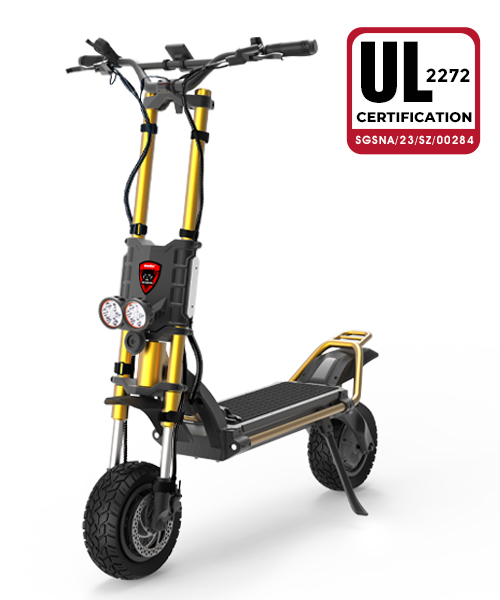
Frame certification: UL 2272 certification (US) or CE marking (EU) indicates the electrical system has passed independent safety testing. This is particularly important for battery and charger safety, where counterfeit or substandard components create fire risk.
Weight rating: Stay below the manufacturer’s maximum rider weight. Exceeding it stresses the frame, wheels, and brakes beyond their design tolerance.
For riders looking at a performance commuter, the Kaabo Mantis King GT pairs dual-motor performance with proper pneumatic tires and a hydraulic braking system. Riders who need off-road capability will find the suspension and tire combination on the Kaabo Wolf King GT better suited to uneven terrain. You can explore the full range of options in the Kaabo best electric scooter 2026 guide to find the right model for your riding style.
It is also worth understanding the difference between dual motor and single motor electric scooters — not just for performance, but because dual-motor setups often include regenerative braking on both wheels, which improves stopping power and range simultaneously.
Frequently Asked Questions
What is the most important electric scooter safety rule for new riders?
The most critical electric scooter safety rule for new riders is always wearing a CPSC- or EN 1078-certified helmet before every ride. Head injuries account for over 18% of all e-scooter ER visits, and fewer than 1% of injured riders were helmeted. A helmet is the single intervention with the highest proven impact on injury severity.
Do I need a license to ride an electric scooter safely and legally?
Licensing requirements for electric scooter riders vary by country and city. In most US states, no license is required for scooters under 750W or 20 mph. In the UK and across the EU, rules differ by country and speed class. Regardless of local law, electric scooter safety requires following traffic rules, staying in designated lanes, and never riding on motorways or highways.
How fast is too fast for electric scooter safety?
Speed limits for e-scooters are typically set at 15–20 mph (25–32 km/h) in urban areas by local regulation. For electric scooter safety on a personal basis, match your speed to the surface, visibility, and your own skill level. High-performance models capable of 45+ mph require advanced rider skill, proper protective gear, and should only be used in appropriate off-road or private settings.
Is riding an electric scooter in the rain safe?
Riding an electric scooter in light rain is generally safe if the scooter carries an IP54 or higher rating and the rider reduces speed significantly. Wet roads reduce grip by 30–40%, extend braking distance, and make surface markings, metal grates, and leaves extremely slippery. Heavy rain or standing water should be avoided to prevent electrical damage and loss of control.
What should I check on my electric scooter before each ride?
Before each ride, check tire pressure, brake responsiveness, all lights, the folding latch, battery level, throttle operation, and deck grip. This pre-ride electric scooter safety check takes under three minutes and identifies most mechanical problems before they become road emergencies. Issues with brakes or tires should be resolved before riding, not after.
Do electric scooter accessories improve safety?
Yes. Must-have electric scooter accessories that directly improve safety include a bell or horn, front and rear lights, a phone mount (to avoid handheld phone use while riding), reflective gear, and a quality lock for secure parking. A guide to must-have electric scooter accessories covers both safety and convenience options in detail.
The Right Habits Make Electric Scooter Safety Automatic
Riding safely is not about fear. It is about building a short set of consistent habits — helmet on, pre-ride check done, lane discipline maintained — until they require no extra thought. Most experienced riders reach that point within a few weeks.
The statistics that look alarming in aggregate mostly reflect a specific pattern: new riders, no helmet, unfamiliar terrain, no pre-ride inspection. That pattern is entirely preventable.
If you are choosing your first scooter or upgrading to a higher-performance model, start with a machine matched to your actual riding environment. Urban commuters benefit from the balance of portability and performance in the Kaabo Mantis King GT. Riders exploring off-road terrain or longer commutes should look at the Kaabo Wolf King GTR Max, which pairs long range with the suspension and braking hardware that serious riding demands. You can compare all current models and performance specs on the official Kaabo electric scooter lineup.
Electric scooter safety is a habit you build before you ride. Start there, and every ride after becomes safer by default.
 Español
 French