Riding an electric scooter in summer heat is genuinely enjoyable — until it isn’t. Dehydration, sun exposure, and overheated components turn a quick commute into a miserable one fast. The good news: a few practical adjustments before and during your ride make a significant difference. Electric scooter riders who plan for heat arrive fresher, perform better on the road, and protect their equipment at the same time.
Summer 2026 brings hotter average temperatures across most urban riding environments. The UK Met Office reports that average summer temperatures in temperate regions have increased by roughly 1.5°C over the past two decades — a shift that matters when you’re generating body heat on a ride. Urban heat islands intensify that further, pushing surface temperatures 3–5°C above surrounding areas.
This article covers everything that keeps you comfortable during hot-weather riding: clothing choices, timing, route planning, hydration, scooter care, and the specific adjustments that high-performance scooter riders need to make.
Quick Answer: To stay cool while riding an electric scooter in summer, wear lightweight breathable fabrics in light colors, ride before 10am or after 5pm to avoid peak UV hours, stay hydrated with at least 500ml of water per hour of riding, apply SPF 30+ sunscreen to exposed skin, and plan shaded routes near water or tree-lined streets. Battery and motor temperature management also matters for performance and longevity.
The Right Clothing Makes a Measurable Difference
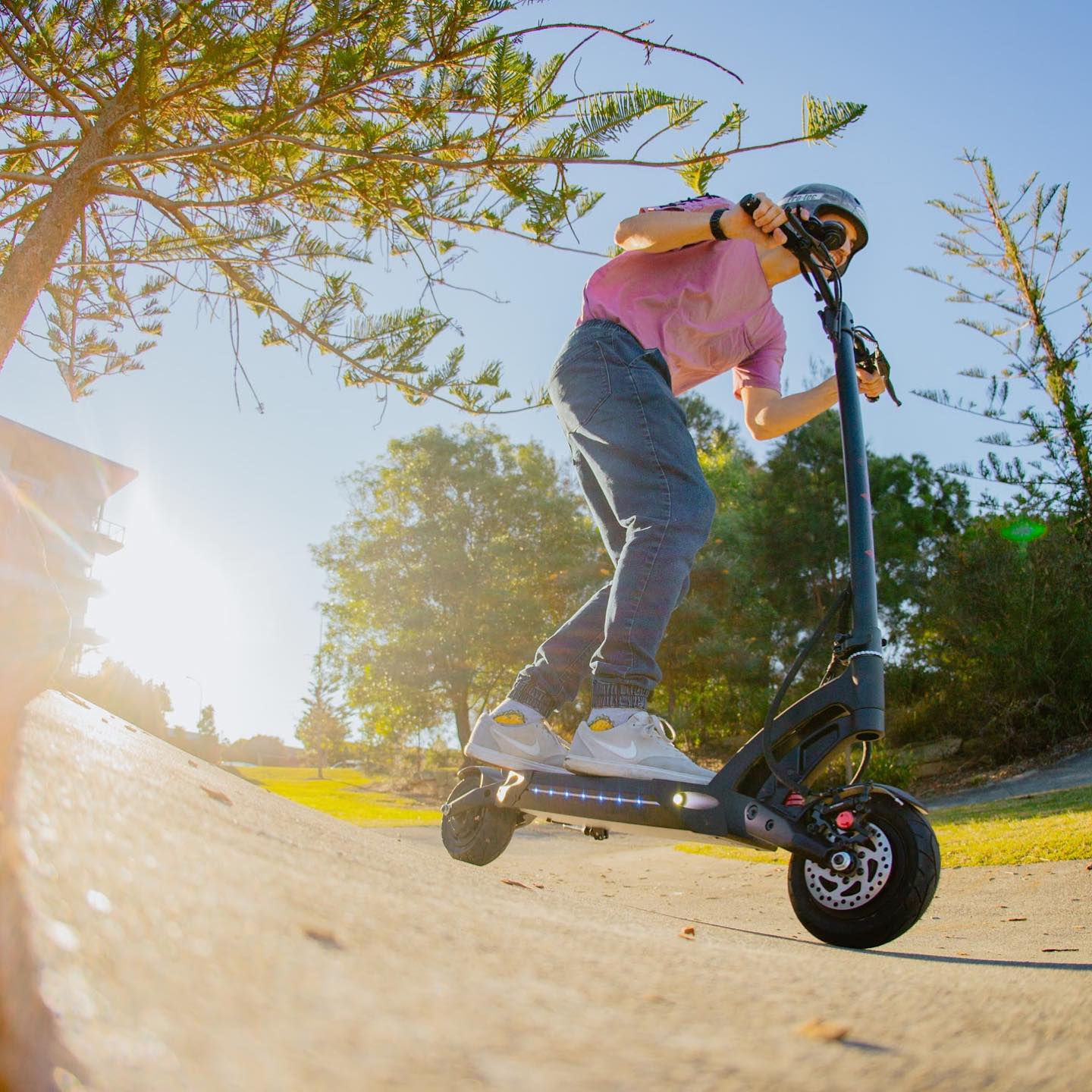
Your clothing directly affects how much heat your body retains. Heavy or synthetic fabrics trap heat against the skin. The right choice keeps your core temperature lower without compromising protection.
Choose lightweight, moisture-wicking fabrics — specifically those rated for active outdoor use. Merino wool and technical polyester blends (such as those used in cycling jerseys) pull sweat away from the skin and allow evaporation. Cotton feels comfortable dry but absorbs sweat and holds it, which keeps you hotter on long rides.
Color Matters More Than Most Riders Think
Light-colored clothing reflects solar radiation rather than absorbing it. A white or pale grey shirt reflects approximately 80% of sunlight. A black or dark navy shirt absorbs up to 90%. On a 30-minute ride in direct sun, that gap translates to a meaningful difference in how hot you feel — and how much fluid you lose.
For longer rides, a lightweight long-sleeve top in a light color outperforms a dark short-sleeve one. You get UV coverage and solar reflection together.
Protective Accessories
A wide-brimmed hat under your helmet (where your helmet design allows) or a vented cycling cap provides shade to the face and neck. UV-protective sunglasses rated to UV400 block both UVA and UVB rays — not all sunglass lenses do, so check the label. Neck gaiters in lightweight moisture-wicking fabric protect the back of the neck, where sunburn is common on scooter riders.
Timing Your Rides to Avoid Peak Heat
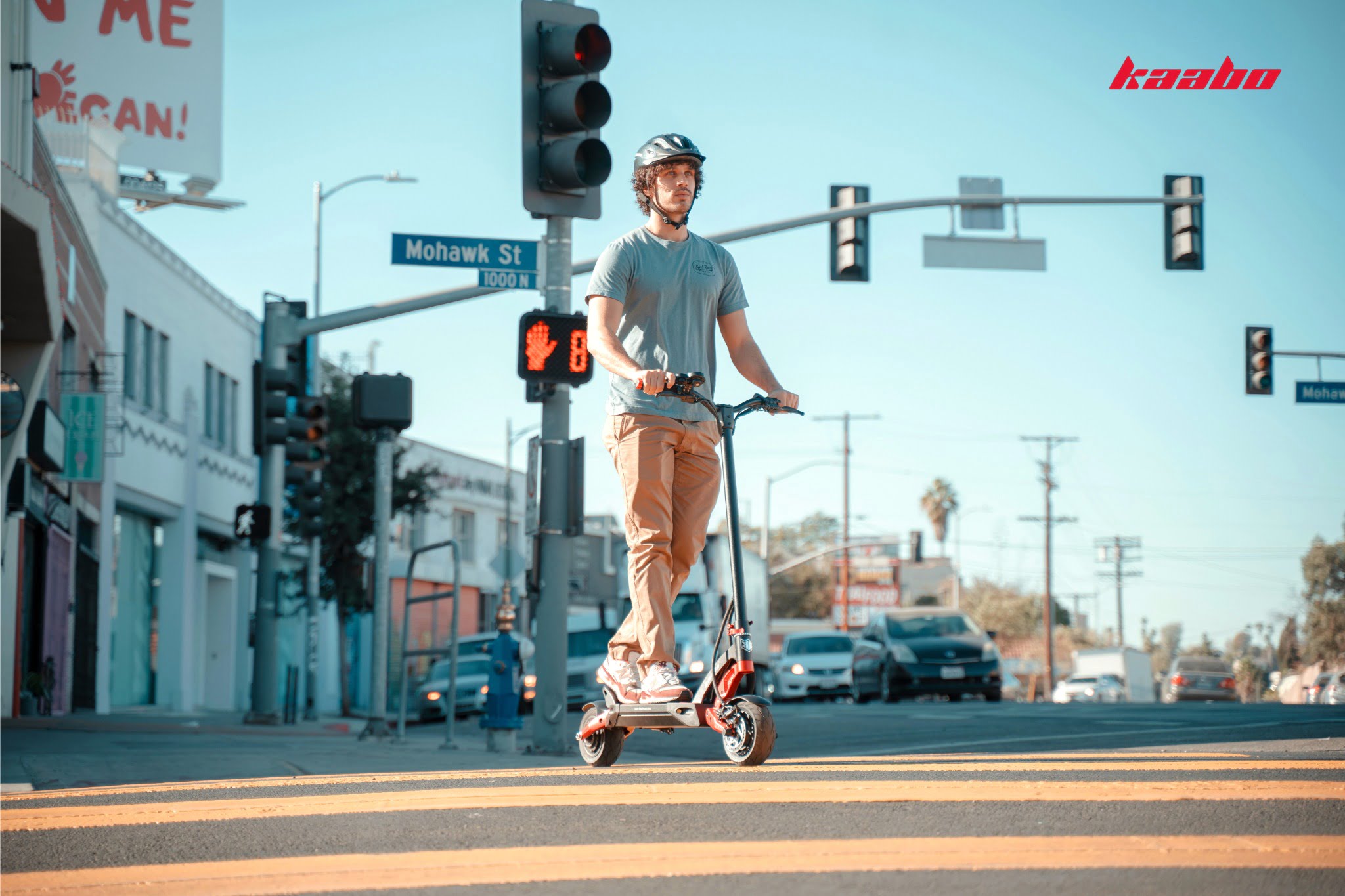
The single most effective heat management strategy costs nothing. Ride at the right time.
UV radiation and air temperature peak between 11am and 3pm across most of the northern hemisphere. The World Health Organization’s UV index guidelines classify UV levels above 6 as high — levels that cause sunburn in under 15 minutes without protection. In summer 2026, major European and North American cities regularly reach UV index 8–10 during midday hours.
Early morning rides — before 9am — give you the best conditions. Air temperature is lower, UV index is below 3, and traffic is typically lighter. The ride feels faster and more comfortable even before you account for heat management.
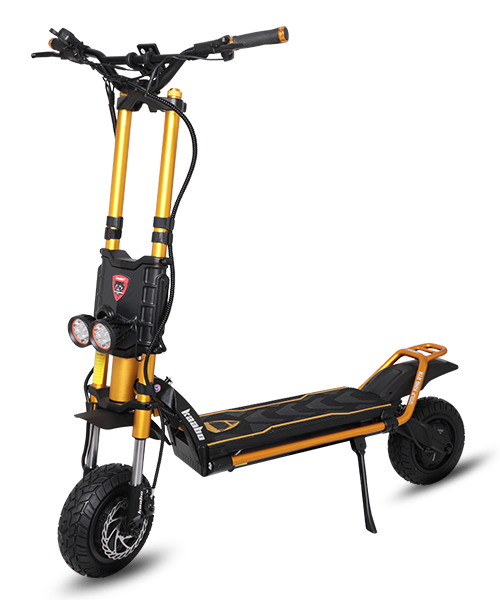
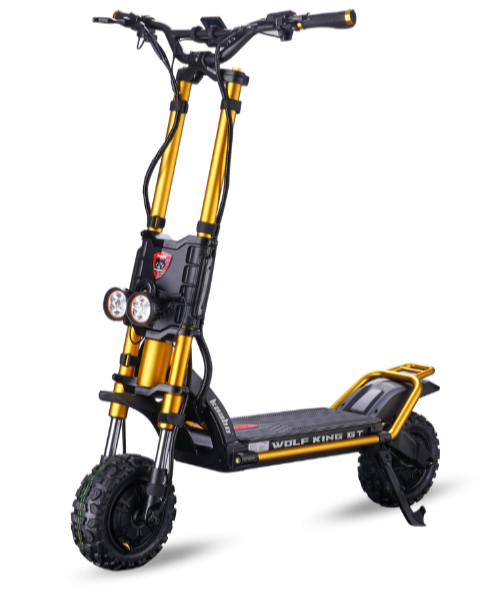
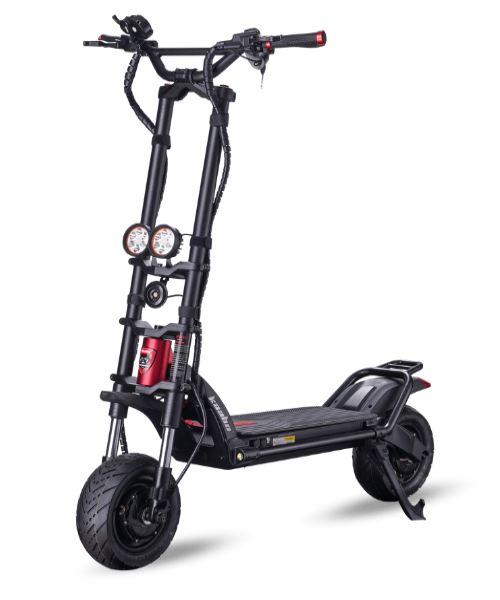
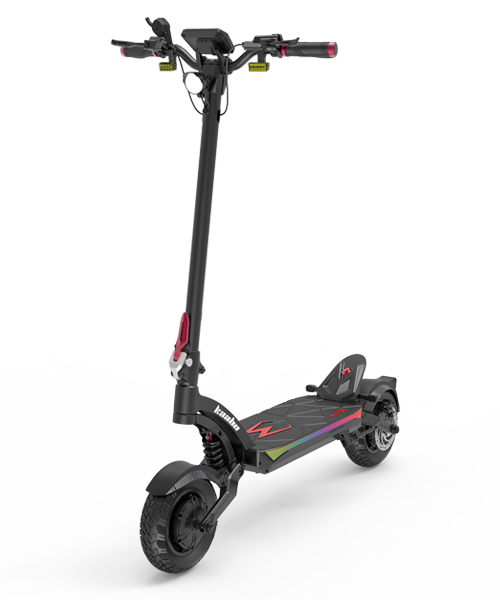
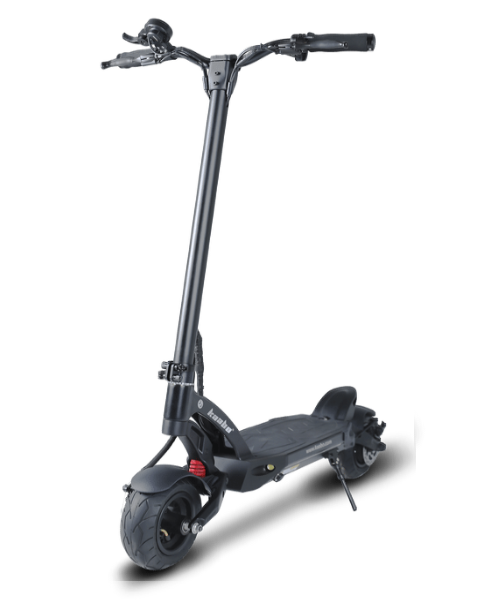
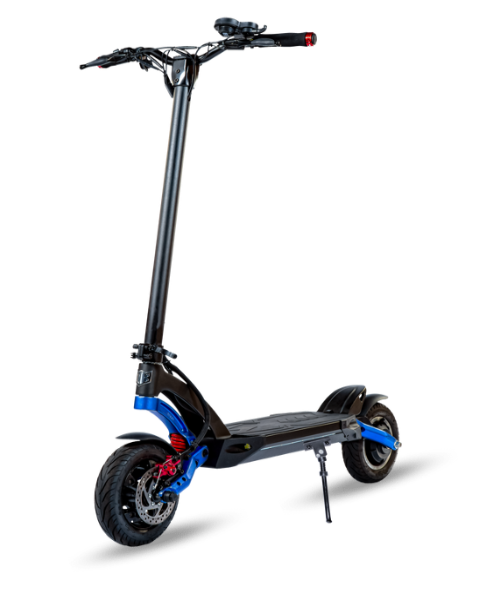
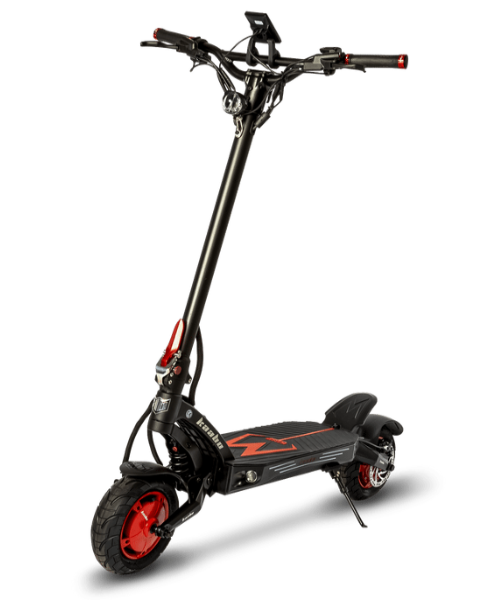
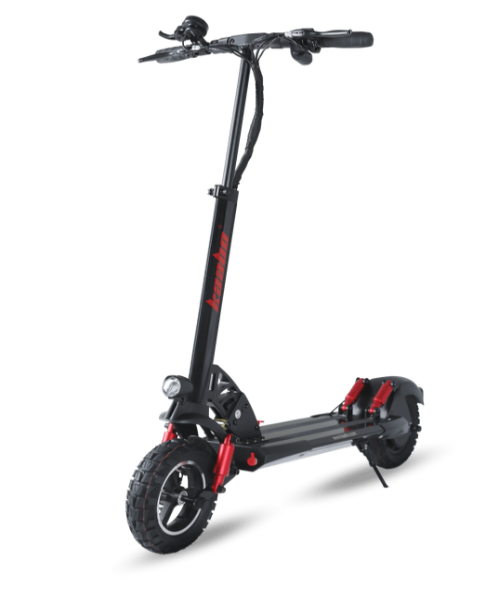
Evening rides after 5pm offer the same UV benefit. Air temperature remains warmer than morning, but the UV index drops sharply after 4pm. On a performance scooter like the Kaabo Wolf King GT, evening rides on open roads offer excellent conditions without the thermal stress of midday sun.
Midday riding isn’t always avoidable. When you must ride between 11am and 3pm, apply sunscreen 20 minutes before setting off, cover exposed skin, and shorten your route.
Route Planning: Shade, Wind, and Surface Temperature
Where you ride shapes how hot you get. A well-planned route can reduce your perceived temperature by several degrees compared to an exposed urban route of the same length.
Tree-lined streets provide natural shade that cuts direct UV exposure significantly. Tarmac surfaces in direct sun can reach 55–65°C on hot days — much hotter than the air temperature. Elevated surface heat radiates upward and warms the rider from below. Shaded tarmac stays far cooler.
Riding Near Water
Water bodies — rivers, lakes, canals, and coastal paths — create cooler microclimates through a process called evaporative cooling. The air near open water runs 2–4°C cooler than surrounding urban streets on hot days. In cities with accessible waterfront paths, these routes combine practical shade with genuinely lower ambient temperatures.
Wet or flooded surfaces near water are a separate concern. Most performance electric scooters carry an IP54 water resistance rating, which handles splashing but not standing water. Stay on dry sections of waterfront paths.
Surface and Wind Considerations
Open elevated routes expose you to more direct sun but more wind. Wind provides evaporative cooling — sweat evaporates faster, lowering skin temperature. At scooter speeds of 25–40 km/h, wind cooling is real and significant. That said, wind dries you out faster too, which makes hydration more critical.
Enclosed urban canyon routes between tall buildings provide shade but restrict airflow. Heat accumulates in those corridors during prolonged warm weather. They’re worth using selectively, not as a default.
Hydration and Sun Protection on the Road
Dehydration degrades physical performance before you feel thirsty. By the time you notice thirst, you’re already 1–2% dehydrated — enough to reduce reaction time and concentration.
Carry at least 500ml of water per hour of planned riding time. A hydration backpack with a drinking tube keeps both hands on the bars and removes the need to stop. In high heat above 35°C, increase that to 750ml per hour. Electrolyte tablets or drinks help replace sodium lost through sweating on longer rides — plain water alone doesn’t replace electrolytes.
Sunscreen Application
Apply SPF 30 or higher broad-spectrum sunscreen to all exposed skin at least 20 minutes before riding. Broad-spectrum means protection against both UVA (which causes skin ageing and deeper tissue damage) and UVB (which causes sunburn). Most sunscreens require reapplication every two hours — set a reminder if your ride extends beyond that window.
Focus application on areas specific to scooter riding: the back of the neck, backs of hands, lower arms, and any exposed ankle or calf area. These zones face consistent direct sun exposure at riding posture angles that standing pedestrians don’t experience.
Electric Scooter Heat Management: Protecting Your Equipment
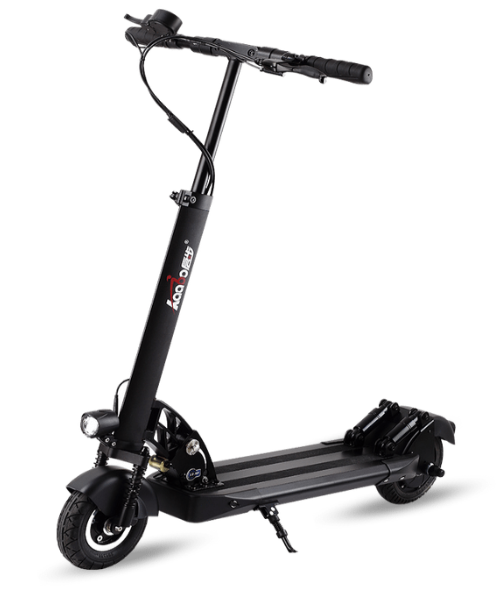
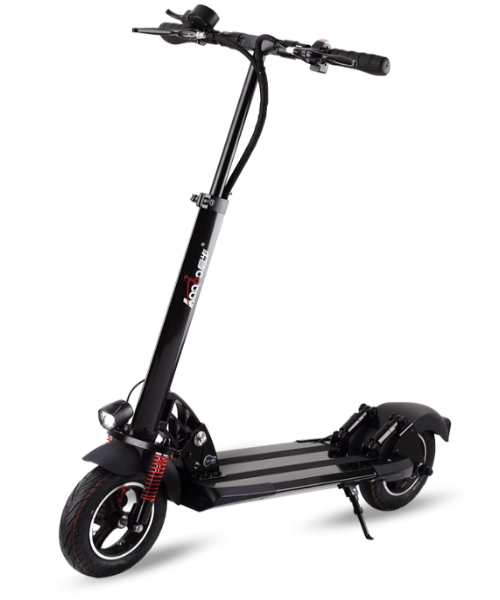
High-performance electric scooters generate heat from three sources during summer riding: the motor, the battery, and solar radiation on the chassis. All three affect performance and longevity.
The lithium-ion battery pack operates best between 15°C and 35°C. Above 40°C, cell degradation accelerates — a problem on hot days when a dark-coloured chassis absorbs solar heat. Store your scooter in shade or indoors before riding. A scooter left in direct sun for two hours in 35°C ambient heat can see battery surface temperatures exceed 50°C before you even start riding.
Motor Temperature on Long Rides
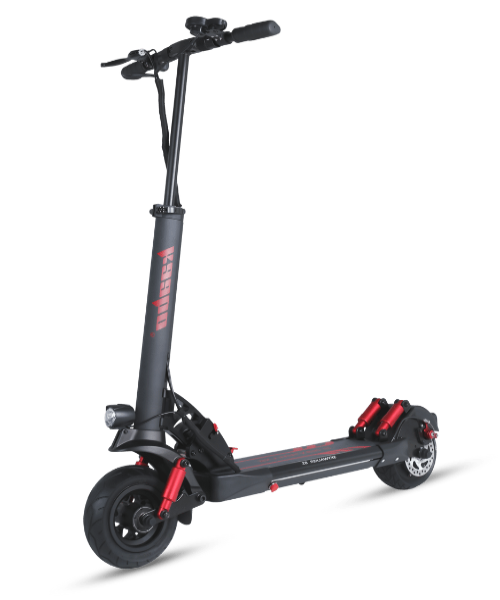
Brushless hub motors on high-performance scooters build heat during sustained high-speed operation. On dual-motor platforms like the Mantis King GT, both motors share the load — which distributes heat more effectively than single-motor designs. However, extended uphill climbs in hot weather still stress the motor thermal management.
Take a 10-minute break every 45–60 minutes on extended summer rides. This allows the motor housing to dissipate heat passively. Riding through heat buildup shortens motor winding life over time.
Post-Ride Cooling
Let the scooter cool for 30 minutes before charging after a hot-weather ride. Charging a warm battery increases cell temperature further. Most battery management systems (BMS) throttle charging speed when they detect elevated temperature — you’ll notice a slower charge. Avoid it by letting the pack cool first.
Summer Riding vs Standard Conditions: Quick Reference
| Factor |
Standard Conditions |
Summer / High Heat |
| Recommended ride window |
Any time |
Before 10am or after 5pm |
| Clothing choice |
Comfort-focused |
Light colour, moisture-wicking |
| Hydration target |
250ml per hour |
500–750ml per hour |
| Sunscreen required |
Optional |
SPF 30+ mandatory |
| Pre-ride battery check |
Standard |
Check temperature — cool before charging |
| Motor rest breaks |
Optional |
Every 45–60 min on long rides |
| Route preference |
Convenience |
Shade and water proximity |
| Tire pressure check |
Fortnightly |
Weekly — heat expands air in tubes |
Frequently Asked Questions
How do I stay cool while riding an electric scooter in summer?
Wear lightweight, light-coloured moisture-wicking clothing, ride before 10am or after 5pm, carry 500ml of water per hour, and plan routes through shaded or waterfront areas. Apply SPF 30+ sunscreen before every ride. These electric scooter summer riding habits reduce heat stress and protect your skin during sustained sun exposure.
Can electric scooters overheat in summer?
Yes. Lithium-ion batteries degrade faster above 40°C, and hub motors build heat during long high-speed rides in warm weather. Store the scooter in shade before riding, take 10-minute breaks every 45–60 minutes on extended rides, and let the battery cool for 30 minutes before charging after hot-weather use.
What time of day should I ride my electric scooter in summer?
Ride before 10am or after 5pm to avoid peak UV hours. UV index levels above 6 cause sunburn in under 15 minutes without protection, and these levels persist from roughly 11am to 3pm across most of Europe and North America. Early morning offers the lowest temperature and UV exposure simultaneously.
Does heat affect my electric scooter’s battery range?
High temperatures temporarily increase battery output but accelerate long-term cell degradation. Prolonged riding in ambient temperatures above 35°C — especially combined with solar heat on the chassis — reduces capacity over time. Keep the battery below 40°C surface temperature where possible. Shade storage before rides and delayed charging after hot rides both protect cell life.
Do I need sunscreen to ride an electric scooter?
Yes. Riding at 25–40 km/h exposes the back of the neck, forearms, and hands to sustained direct UV radiation. Apply broad-spectrum SPF 30+ sunscreen 20 minutes before each ride. Reapply every two hours for extended rides. UV index levels during summer midday hours cause skin damage within 15 minutes of unprotected exposure.
Smart Summer Riding Protects You and Your Scooter
Heat management for electric scooter riding comes down to simple, consistent habits. The right clothing, the right timing, and a few pre-ride routines separate a great summer riding experience from a draining one.
Your scooter needs the same consideration. A battery stored in direct sun before a ride starts the session already stressed. A motor pushed through a long climb in peak heat without a recovery break accumulates damage that isn’t visible until months later. The habits that protect you — shade, timing, breaks — protect your equipment too.
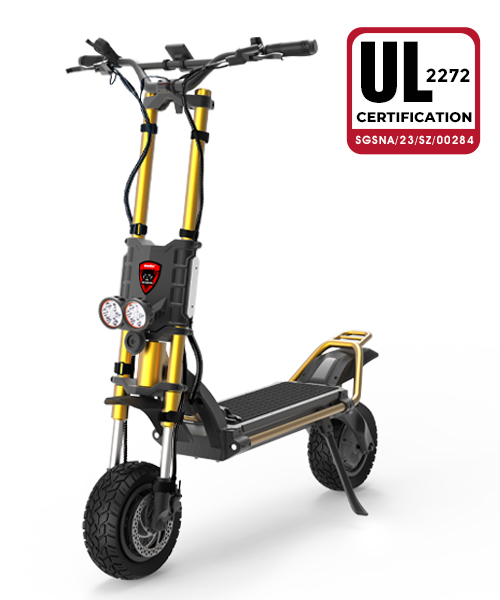
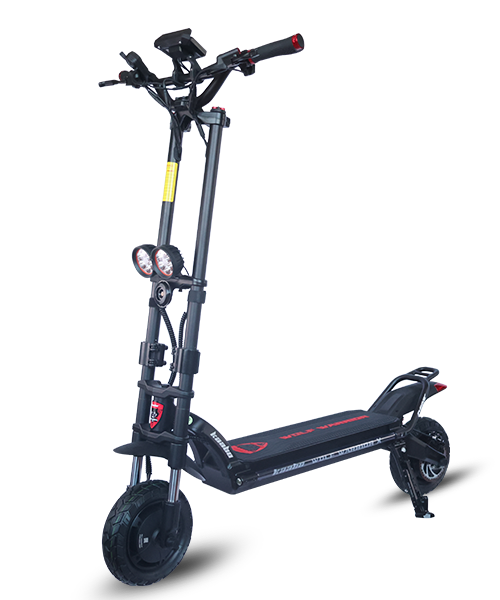
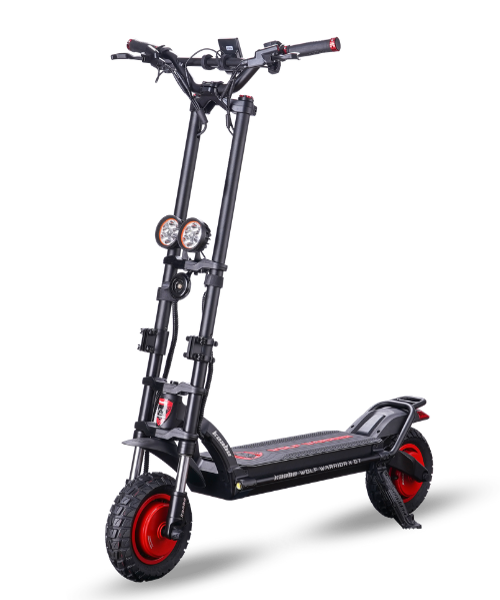
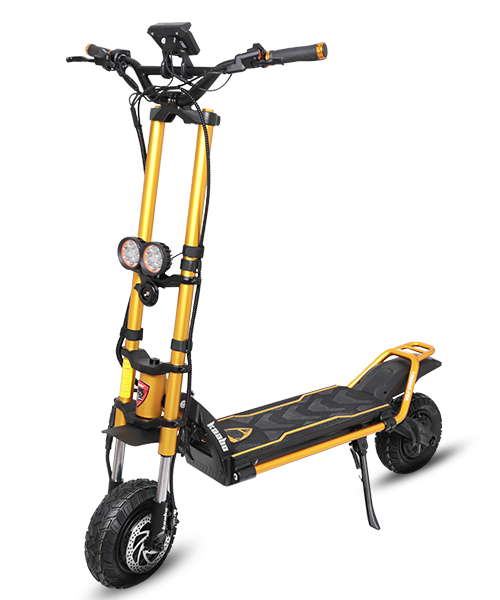
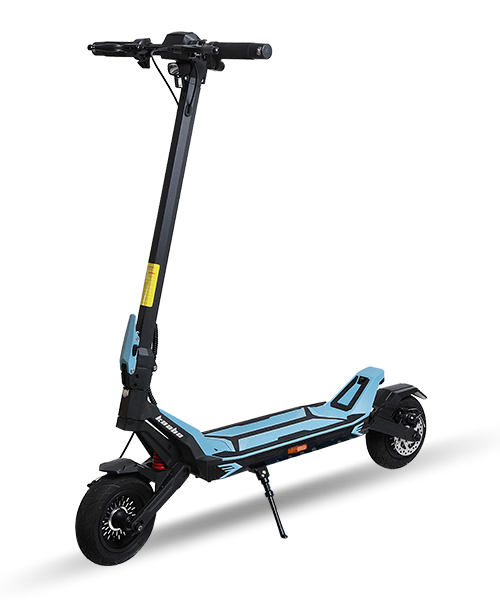
Summer 2026 offers more riding days than ever. The Kaabo full electric scooter range includes models built specifically for sustained performance across varied conditions. For riders who want a platform designed to handle the demands of high-output summer riding, the Mantis King GT delivers dual-motor performance with a frame and battery system built for longevity under real-world load.
Ride smart, stay cool, and your scooter will be ready for every ride the summer brings.
 Español
 French