Blogs

Blogs

How Cities Can Improve Parking for Electric Scooters

Escooter Parking

Cities around the world are embracing electric scooters as a cleaner, quieter, and more efficient form of urban mobility. The rise of shared and privately owned scooters has reshaped how people move through crowded business districts, university campuses, and residential neighborhoods. However, as ridership grows, escooter parking becomes a pressing challenge—one that affects pedestrians, city planners, scooter companies, and the overall urban experience.

When scooter parking is poorly organized, the downsides are obvious: cluttered sidewalks, blocked doorways, safety hazards, and frustration among residents. When parking is managed well, cities enjoy cleaner streets, smoother mobility, and increased adoption of sustainable transportation. That’s why many municipalities are now reviewing global best practices, digital tools, and infrastructure improvements to handle e-mobility responsibly.

This article takes a deep look at how cities can create smarter, safer, and more user-friendly escooter parking systems while maintaining the convenience riders expect. It also highlights how scooter brands—such as Kaabo—support this shift with commuter-friendly models like the Mantis X, available at


Why Escooter Parking Needs to Be Rethought

Electric scooters occupy a unique category in urban mobility. They’re small, fast, portable, and often parked in places not originally designed for vehicles. Unlike bicycles, riders rarely use fixed racks. Unlike cars, scooters don’t require large lots. Instead, scooters often end up near storefronts, bus stops, crosswalks, and residential entrances.

According to industry data published by Bloomberg, more than 280 million electric scooters and e-bikes were sold globally in 2023. This number continues to rise as more commuters seek alternatives to cars. With increased use comes increased pressure on cities to rethink how escooter parking should function.

The issue is not the scooters themselves but the absence of well-defined spaces. When clear infrastructure and rules are in place, compliance improves dramatically and community complaints decline.


The Core Problems Cities Face Today

Most cities encounter the same recurring challenges with escooter parking:

1. Sidewalk Congestion

Scooters left across pathways, curb ramps, and building entrances disrupt pedestrian flow and create accessibility issues, especially for people with disabilities.

2. Lack of Designated Parking Zones

In many regions, riders have no guidance on legal or recommended parking spots. This often leads to random placement.

3. Limited Enforcement

Even when cities have rules, they often lack the technology or manpower to enforce them consistently.

4. Miscommunication Between Riders and Operators

Riders may not understand parking expectations because signage, app instructions, or local rules are unclear or inconsistent.

5. Inconsistent Infrastructure

Some cities install racks and hubs; others do not. This creates confusion among shared scooter riders who travel across jurisdictions.

Despite these issues, solutions already exist—and they work when cities invest in thoughtful planning.


Practical Steps Cities Can Take to Improve Escooter Parking

Below are actionable strategies that leading cities, mobility operators, and urban planners are adopting to create cleaner streets and well-managed escooter parking spaces.


1. Establish Clearly Marked Parking Hubs

Dedicated hubs give riders a predictable place to leave their scooters. When done well, hubs reduce clutter by up to 70%.

Successful cities paint boxes on sidewalks, install scooter racks, or create off-street “parking corrals.” According to research from the National Association of City Transportation Officials, riders overwhelmingly prefer parking zones when they are visible and easy to access.

Cities can place hubs:

  • Near bus stops

  • Around metro stations

  • At commercial districts

  • Outside major landmarks

  • Within university campuses

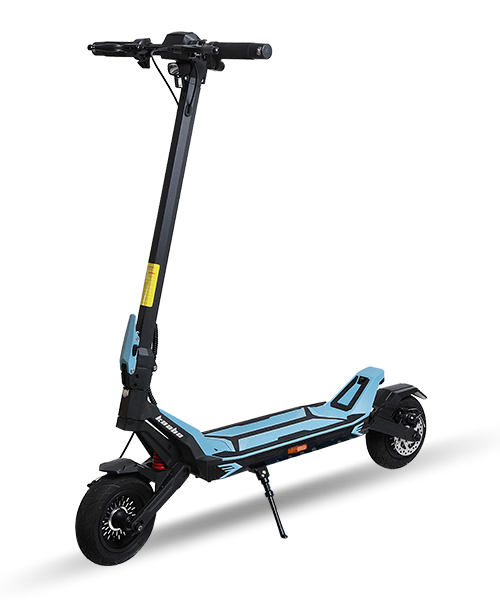
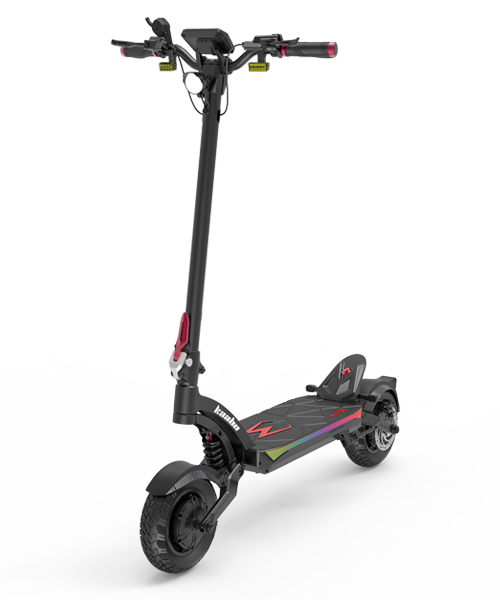
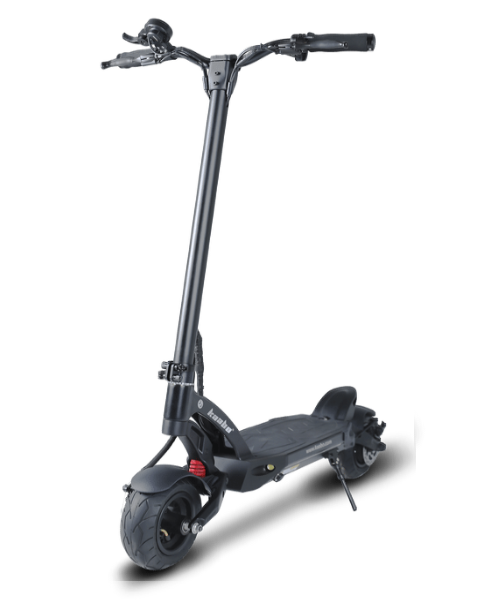
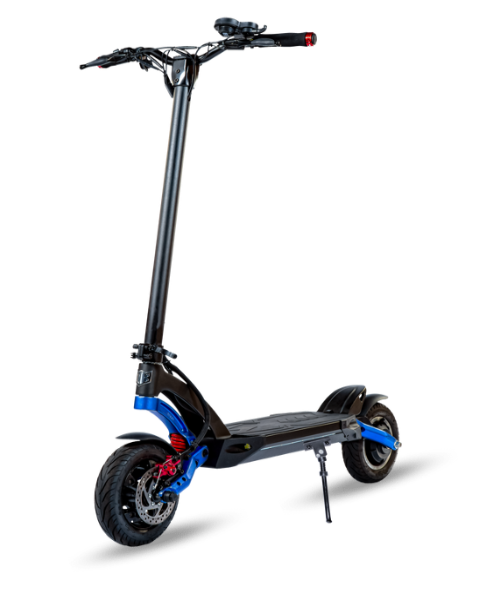
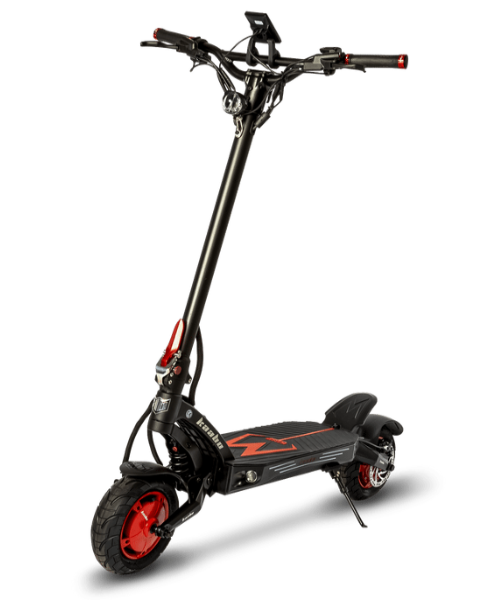
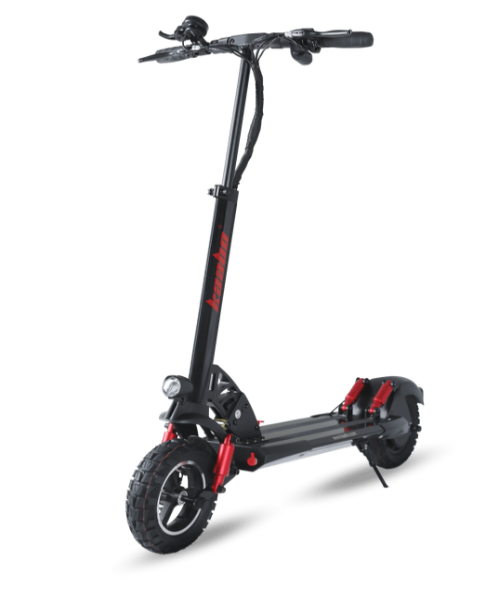
A simple painted box can make a big difference. However, providing physical racks can further improve organization and support heavier scooters like the Kaabo Mantis X, which features a 10-inch tire design and aircraft-grade aluminum frame for increased stability during parking and storage.


2. Implement Mandatory End-Trip Photo Validation

Many shared e-scooter apps now require riders to take a photo of their parked scooter before ending a trip. If the scooter is blocking a sidewalk, the app may issue warnings or fines.

Cities like Paris, Singapore, and San Francisco report significant improvements in compliance after implementing this rule. It also gives operators real-time data about escooter parking behavior.


3. Integrate GPS-Based Parking Enforcement

Geo-fencing technology can restrict riders from ending their trip outside approved zones. When combined with real-time maps, riders can instantly see where parking is allowed.

Operator dashboards then alert staff when scooters drift outside designated areas, allowing rapid corrections.

This system is already common in North America and Europe and is gradually expanding elsewhere.


4. Educate Riders With Simple, Universal Rules

Even the best infrastructure fails without communication. Cities should clearly display guidelines on:

  • Official mobility websites

  • Local transit apps

  • On-street signs

  • University bulletin boards

  • Scooter operator apps

Rules should be visual, multilingual, and easy to remember. The more consistent they are across operators, the better compliance becomes.


5. Convert Underused Spaces Into Micro-Mobility Parking Zones

Cities frequently overlook small unused areas that are perfect for escooter parking, such as:

  • Wide sidewalks

  • Empty dead-end streets

  • Corners near parking garages

  • Open spaces beside bike racks

  • Areas inside public plazas

Turning these leftover spots into micro-mobility hubs makes cities more efficient without major infrastructure costs.


6. Encourage Scooter Manufacturers to Support Smart Parking

Modern scooters are designed with features that help users park and secure them more safely. For example, the Kaabo Mantis X includes:

  • A lightweight folding mechanism for effortless storage

  • A durable aircraft-grade frame

  • A 4-inch anti-glare smart display

  • E-Mark certified lighting and turn signals that improve visibility

  • High-strength materials that stabilize the scooter when parked

These thoughtful upgrades support responsible parking and make the scooter easier to handle in tight spaces.


7. Provide Data Transparency Between Cities and Operators

Mobility companies collect extensive GPS and usage data. When shared responsibly, this information helps cities identify:

  • High-demand parking areas

  • Zones with recurring clutter

  • Patterns in rider behavior based on time of day

  • The impact of new rules

Having reliable insights lets planners adjust and refine escooter parking systems quickly instead of relying on guesswork.


8. Introduce Incentives for Parking in Approved Zones

Operators can offer discounts, ride credits, or loyalty perks when riders park in designated areas. This has proven more effective than punishment in some markets.

Positive reinforcement turns good parking habits into routine behavior.


9. Integrate Parking With Public Transportation

The most successful urban mobility systems are multimodal. When scooters have convenient parking near trains, buses, and metro lines, more people switch from cars to sustainable transport.

Cities such as Seoul and Barcelona have built integrated hubs where bikes, scooters, and public transit coexist—dramatically reducing congestion.


Real-World Examples of Cities Improving Escooter Parking

1. Copenhagen

Copenhagen created shared parking zones using painted rectangles on the ground. Compliance increased sharply, and pedestrian complaints dropped by over 60%.

2. Paris

Paris introduced strict no-parking zones and required end-trip photos. Combined with heavy penalties for non-compliance, the system significantly improved organization.

3. San Diego

The city turned unused curbside areas into scooter corrals, freeing up sidewalks for pedestrians and making streets cleaner and safer.

These examples show that success comes from a mix of rules, technology, and community cooperation—not from banning scooters.


How High-Quality Scooters Support Better Parking Behavior

E-scooter design plays an important role in how safely and neatly riders can park. With models like the Kaabo Mantis X, riders benefit from a balanced frame, durable kickstand, and stable wheels that sit firmly even on uneven surfaces.

The features below make the Mantis X especially user-friendly in urban environments with structured escooter parking zones:

  • 2184W peak power, capable of conquering 25° climbs

  • Front and rear hydraulic suspension with 15 adjustable settings

  • 10-inch 3.0 tires designed for stability across mixed terrain

  • IPX5 waterproofing (IPX7 for the display) for reliable all-weather commuting

  • Large 4-inch smart display with anti-glare tech

  • Long-range battery options reaching up to 75 km

  • Quick-folding aircraft-grade aluminum alloy frame

  • E-Mark certified lighting and turn signals ensuring visibility while parking

These features don’t just enhance performance—they also support responsible handling and placement in designated areas.

Explore the full product page here:
Kaabo Mantis X Product Listing


What the Future of Escooter Parking Looks Like

As cities continue moving toward greener mobility, the future of escooter parking will likely include:

  • AI-powered parking cameras for automated detection

  • Smart poles that reserve parking spots digitally

  • Charging infrastructure integrated into public hubs

  • Modular scooter racks that fit urban aesthetics

  • Expanded micro-mobility networks connecting neighborhoods

E-scooters are here to stay, and so is the need for thoughtful parking solutions.


FAQ: Escooter Parking

1. Why is proper escooter parking important for cities?

Proper escooter parking prevents sidewalk clutter, improves safety, and ensures scooters remain accessible without disrupting pedestrians or traffic.

2. Can cities use technology to manage escooter parking?

Yes. Many cities rely on geo-fencing, GPS tracking, and photo validation to enforce responsible escooter parking.

3. Are designated parking zones effective for escooters?

Designated areas dramatically improve compliance because they give riders clear, convenient locations for escooter parking.

4. How can riders ensure they park responsibly?

Riders should use official hubs, avoid blocking pathways, and follow their local city’s escooter parking rules.

5. Do scooter brands influence parking behavior?

Absolutely. Well-designed scooters like the Kaabo Mantis X make safe handling and correct escooter parking easier thanks to stable frames and balanced weight distribution.

6. Can escooter parking be integrated with public transit?

Many cities now place escooter parking zones near bus and metro stations to support multimodal transportation.


Summary

Cities can transform urban mobility by investing in smarter, safer, and more efficient escooter parking systems. Through strategic hubs, digital enforcement, clear communication, and collaboration with manufacturers and operators, public spaces become cleaner and more accessible. As ridership continues to grow, thoughtful parking solutions will shape the future of sustainable transportation worldwide.

Contact Us

Address: 3rd Floor, Building B3, Shanshan New Energy Base, NO.238 Yunlin Middle Road,Haishu District, Ningbo Zhejiang

Email: [email protected]

Hotline: +86- 574- 8832 1118

Social Media
Social Media

No spam, notifications only about new products, updates.

Let's get in touch

WE'D LOVE TO HEAR FROM YOU​

100

Global Partners

60

Exporting countries

180

Registered patents

300 000

Global Riders