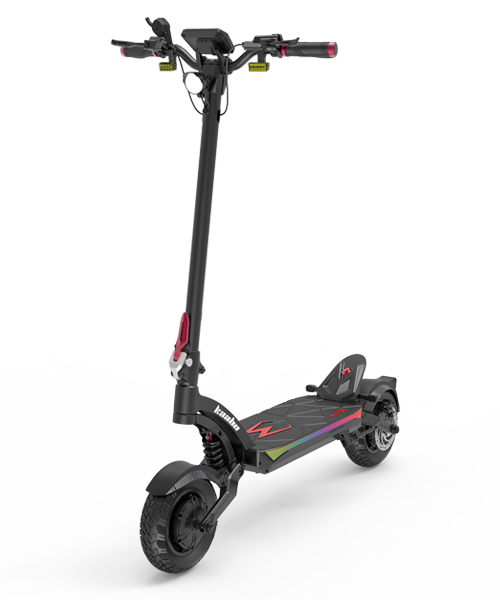
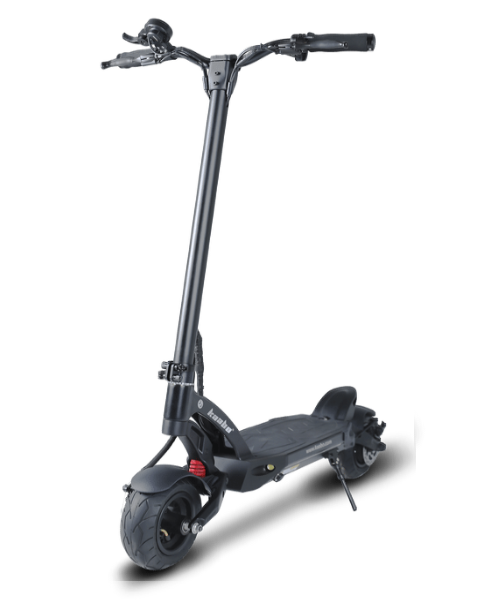
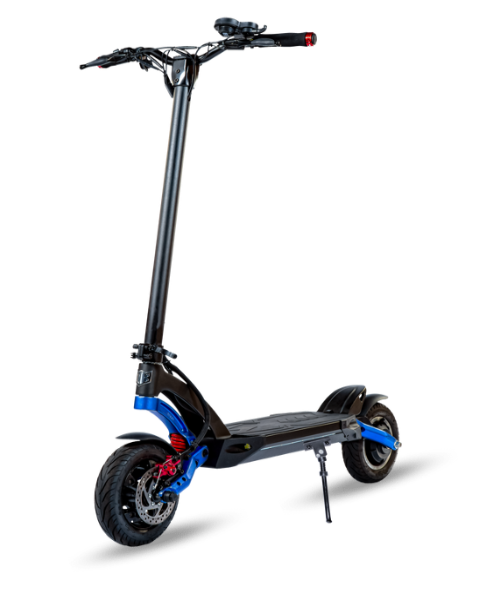
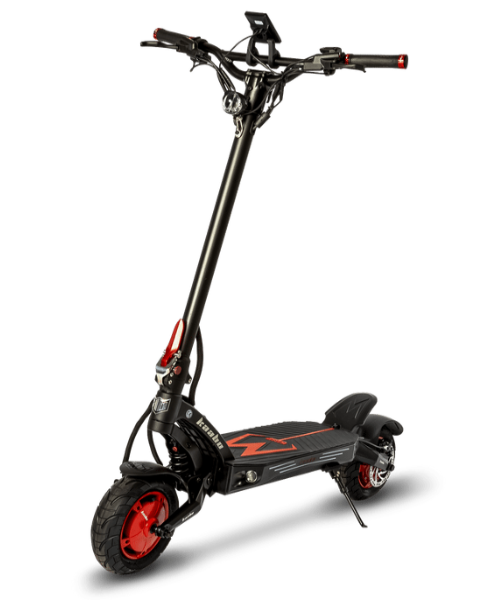
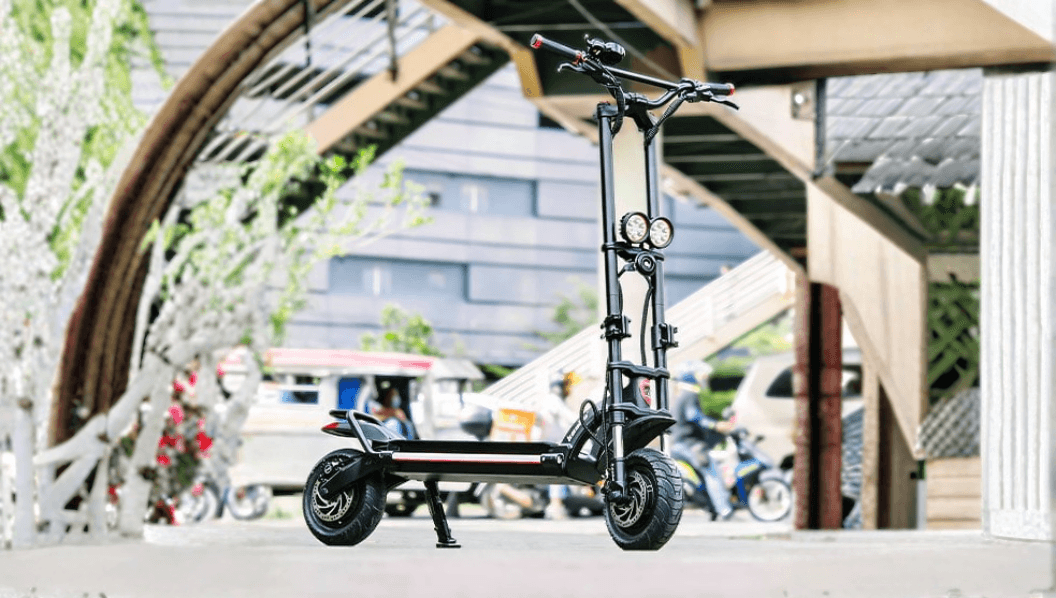
Choosing the right tires determines how your e-scooter rides, how long it lasts, and how safe it feels on different terrains. Many riders spend hours comparing battery range, motor wattage, suspension systems, and braking performance, but overlook one crucial element: tire technology. As electric scooters evolve, the debate around tubeless vs. pneumatic tires has become central to performance, maintenance, and comfort.
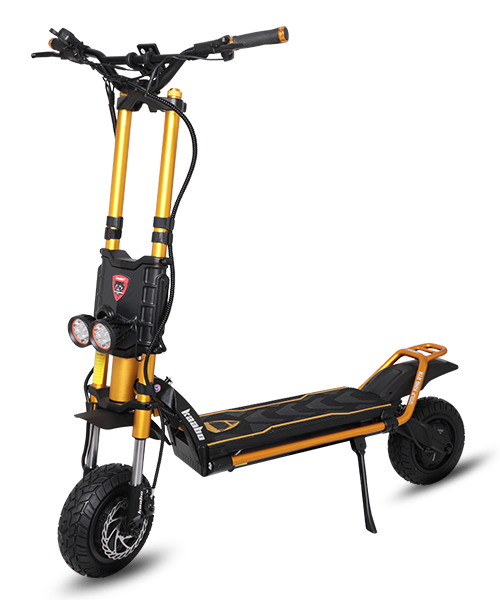
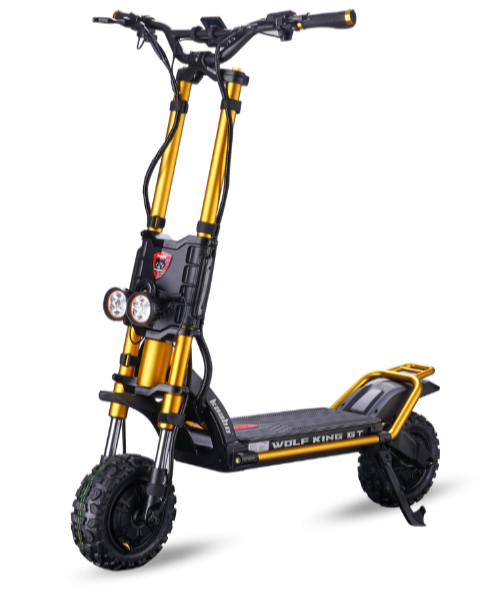
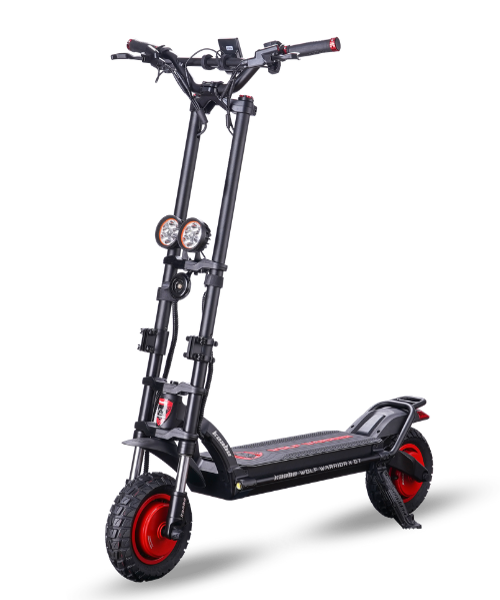
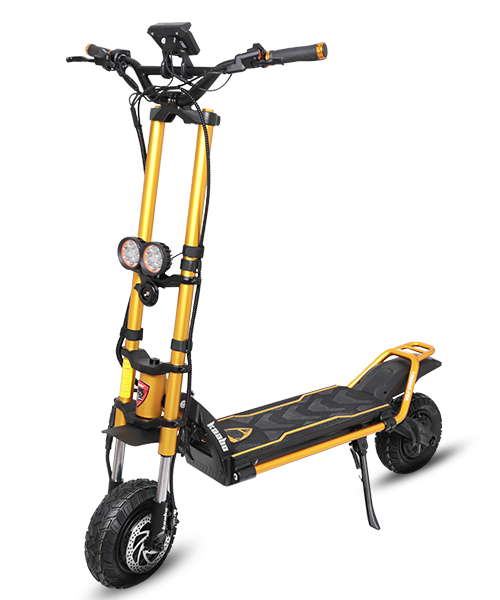
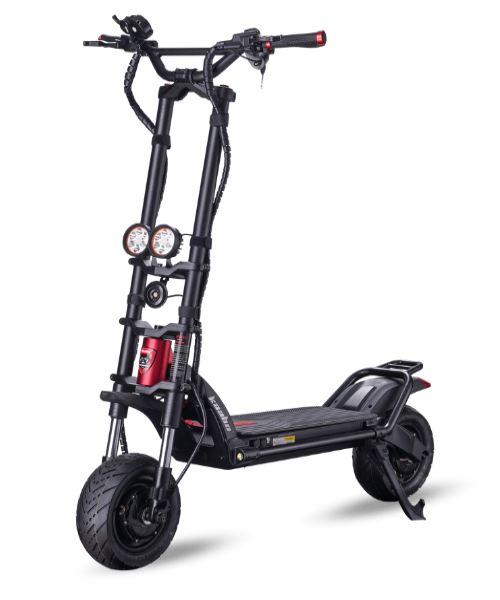
This comparison matters because tires are the only point of contact between the scooter and the road. The way they handle bumps, heat, air pressure, and punctures can transform the entire riding experience. Whether you’re commuting daily, navigating rough paths, or exploring powerful off-road models like the Wolf King lineup on the Kaabo website, understanding tire types helps you match the scooter to your lifestyle.
Before diving into factors like durability and performance, it’s essential to understand what separates tubeless vs. pneumatic tires at the engineering level. Although both rely on air pressure, their construction and behavior on the road are significantly different.
A pneumatic tire uses an inner tube filled with air. A tubeless tire does not — instead, it seals directly to the rim. This difference affects heat dissipation, puncture behavior, and the way each tire carries weight during high-speed riding.
Pneumatic (air-filled) tires have been the standard across bicycles, motorcycles, and automotive vehicles for decades. Their long history is one reason they remain popular in the e-scooter industry. These tires rely on a rubber inner tube that holds air pressure, allowing the exterior tread to compress when riding over uneven surfaces.
The cushioning effect created by air pressure gives pneumatic tires their signature comfort and adaptability. Riders who prefer a smooth, flexible ride often choose scooters with classic pneumatic setups because they absorb road vibration well. This flexibility becomes even more noticeable when riding long distances or navigating surfaces like brick walkways, cracked pavement, and mild off-road trails.
One of the biggest advantages of pneumatic tires is their ability to maintain consistent traction. Because the tire flexes at the contact patch, it grips the road more effectively under changing speeds and corner angles. This feature is especially valuable on powerful e-scooters, where torque output can be high.
However, pneumatic tires also come with drawbacks. The inner tube is vulnerable to pinch flats, sharp-object punctures, and pressure loss. Riders who commute daily sometimes find themselves refilling their tires every few days, especially in extreme heat or cold.
Tubeless tires eliminate the inner tube completely. Instead, the tire seals air within the rim using an airtight bead. This design is widely used in modern motorcycles and automobiles due to its improved durability, heat management, and lower puncture risk. In recent years, premium e-scooter manufacturers have increasingly adopted tubeless technology on mid-range and high-performance models.
The absence of an inner tube allows tubeless tires to maintain better structural integrity. When a sharp object punctures the tire, air escapes more slowly compared to tube-based tires. In many cases, self-sealing gel or tire sealant can repair small punctures instantly, allowing riders to continue their journey without interruption.
Tubeless tires also distribute heat more evenly, which is important on high-powered scooters capable of reaching 40–60 mph. Excess heat can degrade rubber compounds over time, but tubeless construction helps minimize this risk. Brands like Kaabo often use reinforced sidewalls and high-grade rubber compounds to complement the tubeless system on performance scooters.
Because tubeless tires are more resistant to sudden flats, they provide riders peace of mind — especially those who travel long distances or ride at higher speeds.
Below is a comparison that reflects real-world use cases, manufacturer recommendations, and data from established automotive tire engineering sources such as Michelin and Bridgestone.
Pneumatic tires have a slight edge in softness, especially at lower pressures. They adapt well to uneven surfaces, making them popular among urban commuters who prioritize a plush ride. However, modern tubeless tires have improved significantly and offer a well-balanced combination of comfort and firmness.
Tubeless tires are more resistant to catastrophic air loss. When punctured, they tend to deflate slowly, giving the rider control and time to stop. Pneumatic tires, especially those with thin inner tubes, can lose pressure rapidly if punctured.
Pneumatic tires require more frequent pressure checks and refills. Tubeless tires, especially those enhanced with sealant, maintain pressure longer and resist minor leaks. This can significantly reduce long-term upkeep for riders.
Tubeless tires stay cooler under sustained speed due to improved airflow between the tire and the rim. Branded tire manufacturers confirm that heat is one of the biggest threats to rubber integrity, and tubeless systems handle heat more efficiently.
| Feature |
Tubeless Tires |
Pneumatic Tires |
| Air Chamber |
No inner tube |
Uses inner tube |
| Puncture Risk |
Lower, slower deflation |
Higher, quick deflation |
| Maintenance |
Lower |
Higher |
| Comfort |
High, slightly firm |
Very high, softer |
| Weight |
Slightly heavier |
Slightly lighter |
| Heat Resistance |
Excellent |
Moderate |
| Cost |
Higher |
Lower |
How Tubeless vs. Pneumatic Tires Perform in Real Riding Conditions
To understand which option suits your riding style, it helps to examine how tubeless vs. pneumatic tires behave in everyday conditions. Electric scooters are used in a wider range of environments than most people realize — from crowded city streets to mountain trails — and tire performance can vary dramatically depending on where and how you ride.
Urban Commuting
City commuters typically encounter smooth pavement mixed with occasional road imperfections like potholes, metal covers, or broken asphalt. Pneumatic tires shine here because of their natural shock absorption. They help reduce vibration transferred through the handlebars and deck, keeping longer commutes comfortable.
Tubeless tires also handle city terrain well, but their firmer construction means the ride may feel slightly stiffer. The advantage, however, is that tubeless designs are far less likely to suffer sudden flats caused by nails, glass, or debris commonly found in urban environments.
High-Speed Commuting and Long-Distance Travel
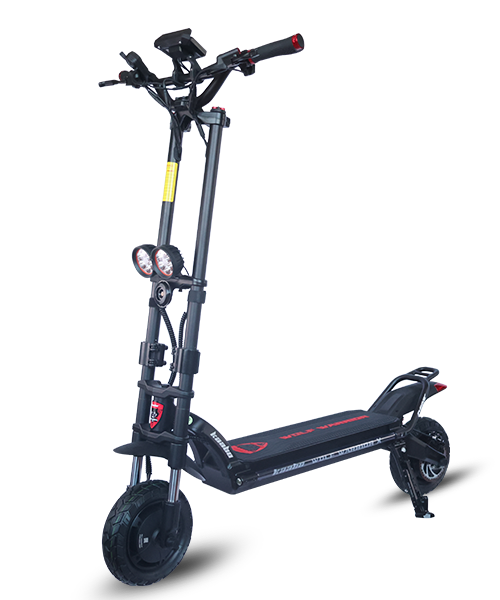
Riders who travel at higher speeds — especially on high-performance scooters like the Wolf King or Wolf Warrior — benefit from tubeless technology. As speed increases, heat becomes a significant factor. Tubeless tires handle heat build-up more efficiently because there is no inner tube rubbing against the outer casing.
This reduces the risk of blowouts at high speeds and keeps the rubber compound more stable during longer rides. Heat dissipation is one reason many motorcycle manufacturers use tubeless setups exclusively for performance models.
Off-Road Riding
Off-road terrain requires traction above everything else. Loose gravel, forest trails, sand, dirt, and rocky paths demand a tire that can flex and adapt while maintaining grip under unpredictable forces.
Pneumatic tires offer excellent off-road traction due to their ability to deform around uneven surfaces. Many e-scooter riders who frequently explore dirt paths prefer the softness of pneumatic systems because they conform naturally to obstacles.
Tubeless tires also perform strongly in off-road situations, especially if paired with rugged tread patterns. Their resistance to punctures makes them ideal for areas with thorns, sharp stones, and rough debris. Riders who push their scooters to extreme limits generally favor tubeless systems because they provide a safety margin against sudden flats.
Wet Weather and Rain Conditions
Wet surfaces decrease traction and increase braking distance. According to data from Continental Tires, wet roads reduce tire grip by nearly 40% compared to dry pavement. In this scenario, tread pattern and rubber compound matter more than whether a tire is tubeless or pneumatic.
That said, tubeless tires provide one critical advantage: they maintain stable air pressure longer. Sudden pressure loss in wet conditions can be extremely dangerous. For safety-focused riders, this gives tubeless technology an edge.
Pneumatic tires also perform safely in rain, but the risk of a pinch flat — especially on potholes filled with water — is higher.
Durability & Lifespan: Which Lasts Longer?
When considering longevity, tubeless vs. pneumatic tires differ significantly in how they wear over time.
Tubeless Tire Durability
Tubeless tires last longer for several reasons:
-
Reduced friction between tube and tire prevents heat build-up
-
Stronger sidewall construction resists punctures and deformation
-
Sealants can close small punctures instantly, preventing progressive damage
Most tubeless e-scooter tires last between 2,000 and 3,500 km, depending on riding style and terrain. Riders who travel often at higher speeds report significantly fewer punctures than those using pneumatic setups.
Pneumatic Tire Durability
Pneumatic tires are more prone to wear due to:
-
Tube friction
-
Patch repairs weakening the tube over time
-
Higher sensitivity to under-inflation
-
Greater risk of pinch flats
On average, pneumatic e-scooter tires last 1,200 to 2,000 km. Heavy riders or those on uneven terrain may see a shorter lifespan due to constant pressure fluctuations.
Safety Factors: Braking, Handling & Stability
One of the primary reasons riders compare tubeless vs. pneumatic tires is safety. Tire choice affects braking distance, cornering behavior, and stability when riding at different speeds.
Braking Distance
Pneumatic tires, with their flexible inner structure, offer slightly better braking performance on uneven surfaces because they expand the contact patch naturally. However, on smooth pavement, tubeless tires maintain more consistent performance because their sidewalls remain stable under sudden braking.
Cornering & Lean Stability
Tubeless tires handle cornering with greater predictability because they maintain shape under lateral pressure. This stability is noticeable when leaning into sharp turns at higher speeds.
Pneumatic tires provide a smoother feel in low-speed cornering but may feel softer or less precise during aggressive maneuvers.
Risk of Blowouts
The risk of a blowout is significantly lower with tubeless construction. Pneumatic tubes can rupture suddenly if pinched or punctured. For performance scooters that often exceed 50 mph, this difference is crucial.
Maintenance: What Riders Should Expect
Maintenance is one of the most practical differences between tubeless vs. pneumatic tires.
Tubeless Tire Maintenance
Tubeless tires require:
Most riders report fewer maintenance tasks over time. Sealant reduces 70–90% of minor flat issues, according to tests from the cycling industry.
Pneumatic Tire Maintenance
Pneumatic tires require:
-
Frequent air pressure checks
-
Patch repairs and tube replacements
-
Higher attention during seasonal temperature shifts
Because the tube expands and contracts rapidly with temperature, commuters often find themselves adjusting pressure more frequently.
Cost Considerations: Which Provides Better Value?
Tubeless tires typically cost more upfront. However, when looking at total ownership cost, they can save money over time because:
Pneumatic tires cost less initially but may require multiple tube replacements. For high-mileage riders, this adds up.
Which Tire Type Do Manufacturers Prefer?
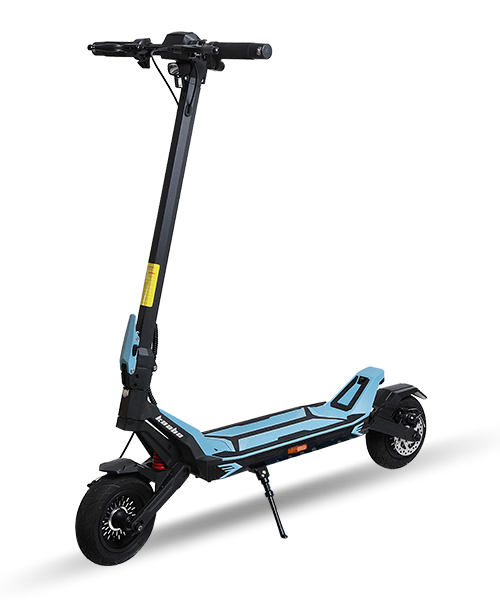
The industry trend is clear. Leading electric scooter brands increasingly adopt tubeless systems for mid-range and high-end models. Performance scooters like the Wolf King, Wolf Warrior, and Mantis series often integrate tubeless designs because they complement powerful dual-motor setups.
Urban commuter scooters sometimes continue using pneumatic tires to maintain lower initial cost and lightweight portability.
In short:
If you’re exploring performance-oriented scooters equipped with advanced tire systems, the Kaabo website provides detailed specifications across models in the Wolf and Mantis series.
How to Choose Between Tubeless vs. Pneumatic Tires for Your Riding Style
Every rider has different priorities. Some care about speed and power, others value comfort and simplicity. Choosing between tubeless vs. pneumatic tires starts with understanding your personal riding habits.
If you commute long distances at moderate or high speeds, tubeless designs offer safety, stability, and long-term value. Their resistance to punctures makes them ideal for unpredictable roads. Riders who frequently use performance scooters—especially dual-motor models—benefit from the firmness and heat resistance tubeless tires provide.
If comfort is your main priority, pneumatic tires remain extremely appealing. Their soft, cushioned feel absorbs bumps and vibrations better than any other tire type. Riders who travel short distances or mostly within urban environments often enjoy pneumatic setups because they provide a smooth, forgiving ride without extra stiffness.
The environment also plays a role. Off-road riders may prefer pneumatic tires for improved flex on rough trails. But those who encounter sharp rocks or thorny paths might favor tubeless technology because of the added protection against punctures.
Understanding these real-world trade-offs ensures you choose a tire system that aligns perfectly with your lifestyle.
Real-World E-Scooter Scenarios and Best Tire Type
Scenario 1: Daily City Commuter
If your routine involves riding through busy streets, weaving between cars, and dealing with occasional potholes, pneumatic tires offer maximum comfort. Over long periods, however, tubeless designs reduce maintenance and protect against punctures caused by city debris.
Scenario 2: High-Speed Weekend Rider
Tubeless tires are the clear choice for powerful scooters used on weekends or for spirited rides. Their stability during high-speed cornering and braking ensures predictable handling when pushing your scooter harder than usual.
Scenario 3: Off-Road Explorer
Some off-road riders prefer pneumatic tires because they flex naturally over rocks, gravel, and dirt. Others choose tubeless designs for reliability because thorn-covered trails can cause frequent punctures. Ultimately, the right choice depends on whether you prioritize comfort or durability.
Scenario 4: Long-Distance Traveler
Riders who travel 20–40 km daily appreciate the reduced maintenance of tubeless tires. These riders often deal with temperature changes, extended braking times, and long stretches of road where sudden flats would be inconvenient.
Scenario 5: Short Errand Rides
For quick trips under 5 km, pneumatic designs offer a simple and comfortable option. Their softness is noticeable, and minor pressure adjustments are easy to perform as needed.
Why Premium Scooters Favor Tubeless Technology
High-performance scooters demand components that keep up with their capabilities. Tubeless tires are built for power. They remain stable under acceleration, maintain shape during high-speed turns, and disperse heat efficiently. As scooters evolve, manufacturers prioritizing safety and performance—like those featured on the Kaabo website—increasingly equip their top-end models with tubeless setups.
Tubeless designs also allow manufacturers to add thicker tread patterns and reinforced sidewalls without compromising ride quality. Riders who use scooters on mixed terrain benefit from this structural strength, especially when traveling across long distances at elevated speeds.
Environmental and Climate Factors
Temperature affects both tire types differently. According to studies published in transportation engineering journals, air pressure decreases roughly 1 PSI for every 5°F drop in temperature. Pneumatic tires experience this directly due to their inner tube design, requiring more frequent adjustments in cold climates.
Tubeless tires also experience changes in pressure but tend to remain more stable because the airtight seal between tire and rim reduces micro-leaks. In hot climates, tubeless tires handle heat better and are less prone to catastrophic failure.
Humidity plays a minor role but can contribute to rust on poorly maintained rims in pneumatic systems. Tubeless setups reduce this risk due to better sealing.
Future Trends in E-Scooter Tire Technology
The industry continues to innovate. Several tire manufacturers are experimenting with hybrid designs that combine a tubeless outer casing with lightweight foam inserts, offering the benefits of both comfort and puncture resistance.
Smart tire sensors may soon allow riders to monitor pressure changes in real time. Automotive and bicycle industries already use this technology, and the e-scooter market is likely to follow. These advancements may eventually reduce the gap between tubeless vs. pneumatic tires, giving riders customizable options based on terrain and usage.
With electric scooter adoption rising worldwide—supported by data from authoritative sources such as Bloomberg reporting increasing micro-mobility investments—tire technology is expected to advance quickly over the next decade.
FAQs About Tubeless vs. Pneumatic Tires
1. Which tire type is safer for high-speed e-scooters?
Tubeless tires are generally safer at high speeds because the lack of an inner tube reduces the chance of sudden punctures, making them ideal for riders comparing tubeless vs. pneumatic tires in performance settings.
2. Do tubeless tires require sealant?
Sealant isn’t mandatory, but many riders use it because it improves durability when choosing between tubeless vs. pneumatic tires, especially for long-distance travel.
3. Are pneumatic tires more comfortable than tubeless tires?
Yes, pneumatic tires provide a noticeably softer ride, which is why some riders prefer them in the tubeless vs. pneumatic tires comparison for city commuting.
4. Which tire lasts longer on rough terrain?
Tubeless tires generally last longer because they resist punctures and heat, giving them an advantage in the tubeless vs. pneumatic tires discussion for off-road environments.
5. Are tubeless tires harder to install?
They can be slightly more challenging to mount correctly, but once installed, they require less maintenance, which benefits riders deciding on tubeless vs. pneumatic tires.
6. Which tire type is better for beginners?
Beginners often prefer pneumatic tires for comfort, but tubeless tires provide fewer long-term issues, making tubeless vs. pneumatic tires a choice based on convenience versus comfort.
Final Summary
Choosing between tubeless vs. pneumatic tires depends on your riding style, terrain, and performance needs. Tubeless tires offer durability, puncture resistance, and stability at high speeds, making them ideal for powerful scooters and long-distance riders. Pneumatic tires prioritize comfort through natural shock absorption, appealing to commuters and those who ride shorter distances. Understanding these differences allows you to match your e-scooter to your personal needs, ensuring a safer, smoother, and more enjoyable ride every day.
 Español
 French