Blogs

Blogs

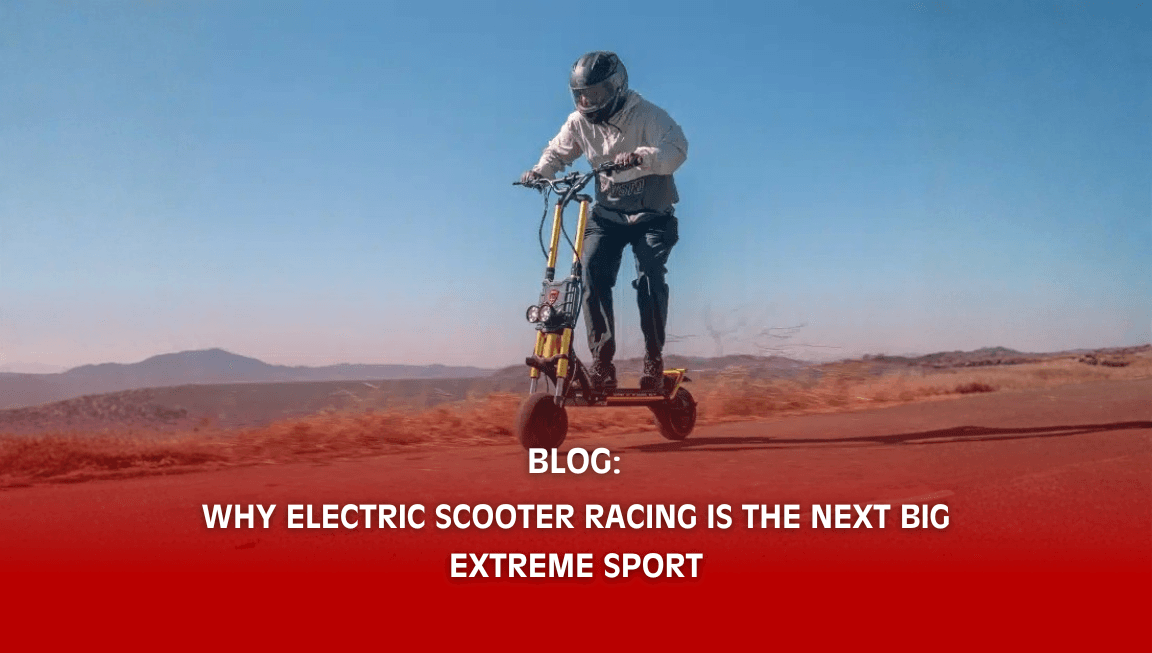
Why Electric Scooter Racing Is the Next Big Extreme Sport

Electric Scooter Racing9

Once dismissed as mere urban transport, electric scooters have evolved into powerful racing machines. As innovation in e-mobility continues to accelerate, Electric Scooter Racing is quickly becoming one of the most exciting and accessible extreme sports in the world.

This article dives deep into the rise of electric scooter racing — exploring its history, technology, global events, key players, and what makes it a potential rival to motorsports like motocross or Formula E.


The Evolution of Electric Scooters: From Commutes to Competitions

It’s hard to imagine that the same scooters zipping through city streets are now capable of hitting speeds over 100 km/h. Over the last decade, e-scooters have transitioned from simple micro-mobility devices to high-performance machines designed for racing.

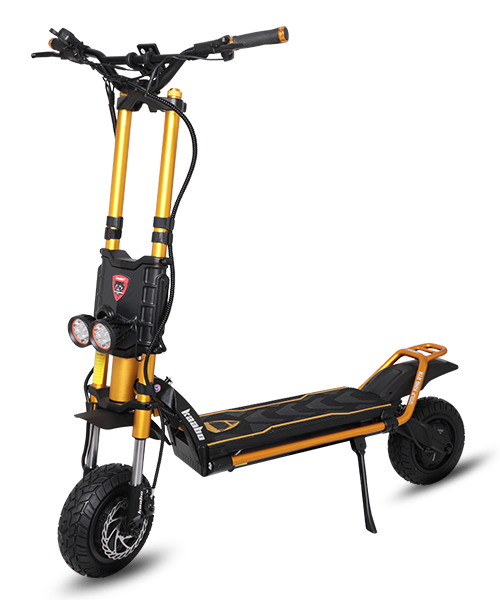
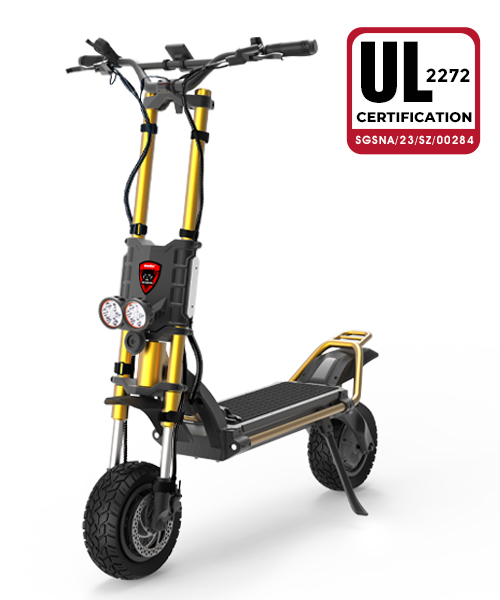
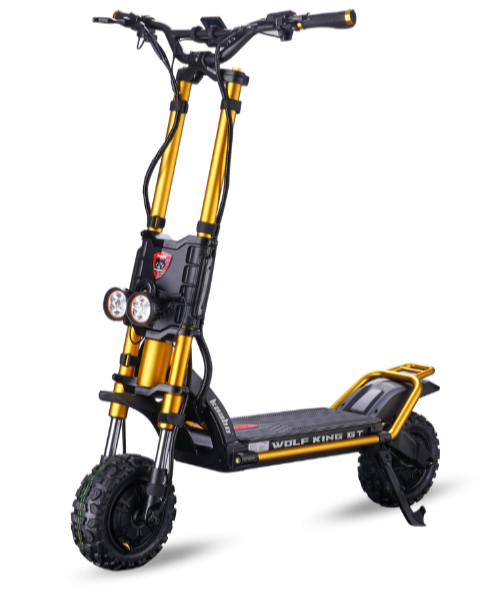
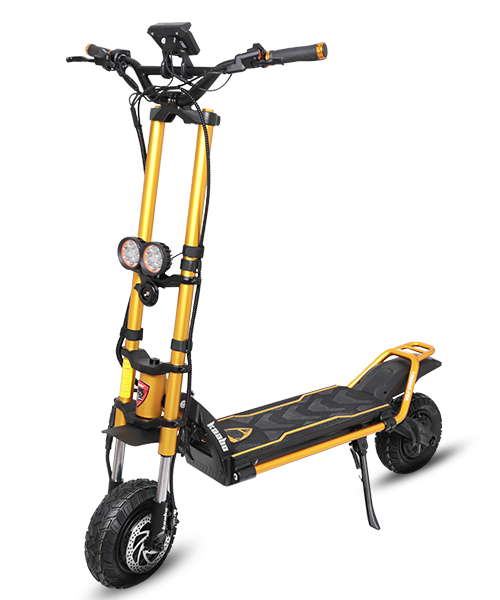
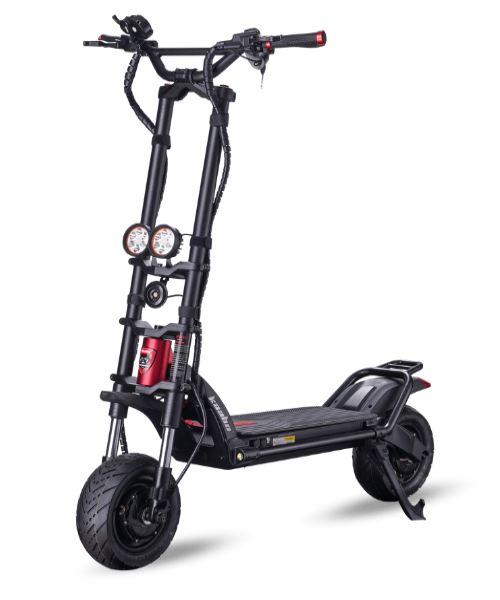
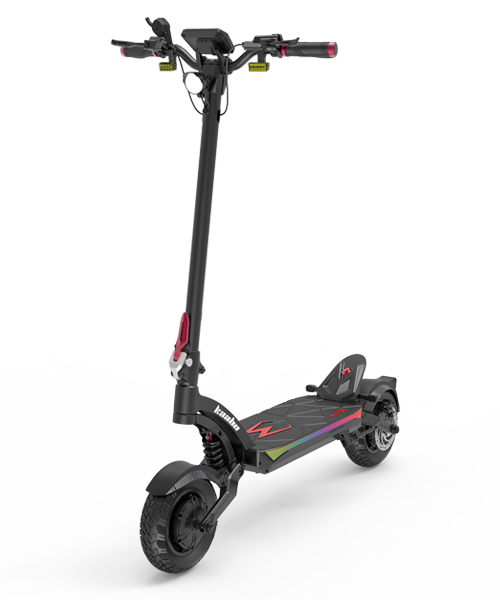
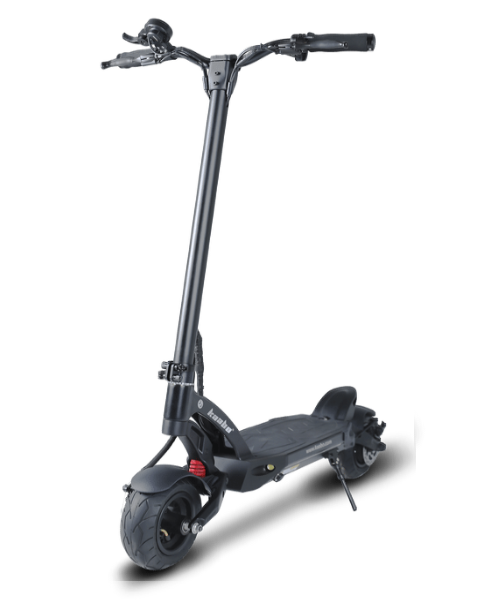
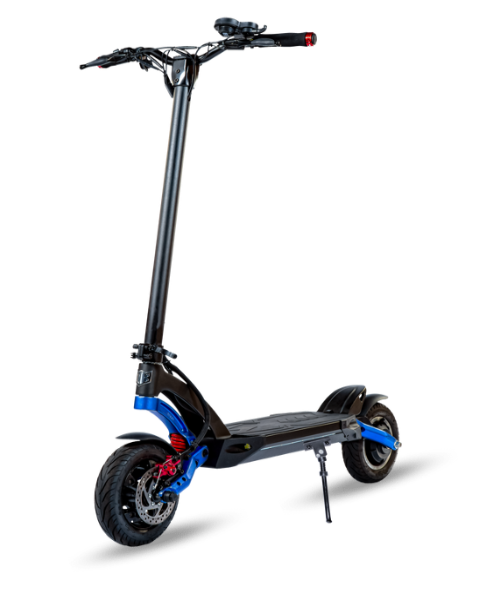
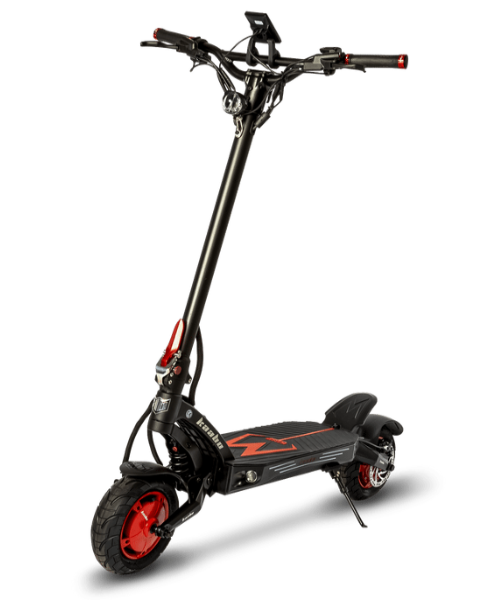
The early 2010s saw the rise of brands like Xiaomi and Segway, focusing on practical, lightweight scooters. But as the technology matured, companies such as Kaabo, Dualtron, and Rion Motors began pushing boundaries with racing-level models like the Kaabo Wolf King GT — built for speed, stability, and durability.

According to a report by Allied Market Research, the global electric scooter market is expected to reach over $118 billion by 2030, growing at a CAGR of more than 10%. A portion of this growth is driven by enthusiasts demanding performance-focused models for sport and competition.


The Birth of Electric Scooter Racing Leagues

In 2021, The eSkootr Championship (eSC) made headlines by becoming the first professional racing league dedicated exclusively to electric scooters. Founded by motorsport veterans like Lucas di Grassi and Alex Wurz, the eSC aimed to blend sustainability with high-speed entertainment.

The races feature custom-built, 100 km/h-capable scooters competing on tight, urban-style circuits. Each race tests riders’ skill, balance, and precision — qualities that have drawn comparisons to MotoGP and Formula E.

eSC Key Highlights:

  • Top Speed: Over 100 km/h

  • Acceleration: 0–50 km/h in under 3 seconds

  • Track Length: Around 1 km

  • Race Duration: 10–15 minutes

The championship’s success ignited global interest, inspiring local and regional leagues across Europe, North America, and Asia.

For instance, community-based leagues like Urban eRacing and ScootX are emerging, giving amateur riders opportunities to compete on modified e-scooters.


Technology Behind Racing-Grade Electric Scooters

Modern racing electric scooters are feats of engineering. Unlike consumer-grade scooters designed for comfort, racing variants are optimized for aerodynamics, torque, and safety.

Key Features That Define a Racing Scooter:

  1. High-Performance Motors:
    Dual motors ranging from 3000W to 7000W deliver lightning-fast acceleration and top speeds exceeding 100 km/h.

  2. Battery Systems:
    High-capacity lithium-ion packs (60V–72V) ensure consistent performance and long runtimes, often paired with BMS (Battery Management Systems) for safety and efficiency.

  3. Suspension & Tires:
    Racing scooters use hydraulic suspension and off-road pneumatic tires to handle sharp turns and high-speed stability.

  4. Braking Systems:
    Dual hydraulic disc brakes are standard, sometimes enhanced with regenerative braking technology.

  5. Aerodynamic Design:
    Streamlined frames and carbon-fiber components reduce drag and enhance control.

Manufacturers like Kaabo (see their official site) lead the charge in developing competitive, high-performance e-scooters that balance power and agility.


Why Electric Scooter Racing Captivates a New Generation

The appeal of Electric Scooter Racing lies in its perfect mix of speed, accessibility, and eco-friendliness. Here’s why enthusiasts and spectators are hooked:

1. Accessibility and Inclusivity

Unlike traditional motorsports, getting started in scooter racing doesn’t require deep pockets. Entry-level models can be modified for racing at a fraction of the cost of motorcycles or cars.

2. Sustainable and Eco-Friendly

Electric scooters produce zero emissions, making the sport appealing to environmentally conscious fans. This aligns with global trends pushing for green mobility and sustainable sports.

3. Urban and Youth-Oriented Culture

The sport connects directly with urban riders, skateboarders, and e-mobility fans who already embrace city riding. Electric scooter racing brings the street culture vibe to the racetrack.

4. Technological Innovation

With each race, new advancements in motor efficiency, battery longevity, and smart telemetry emerge — pushing the limits of e-mobility performance.

5. Spectator Excitement

Compact circuits, unpredictable overtakes, and intense cornering make every race a thrill to watch — even more dynamic than traditional track racing.


Electric Scooter Racing vs Other Extreme Sports

How does Electric Scooter Racing compare with existing extreme sports like BMX, motocross, or skateboarding?

Sport Typical Speed Skill Focus Accessibility Environmental Impact
Electric Scooter Racing 80–100 km/h Balance, control, reflexes High (lower cost entry) Zero emissions
BMX 40–60 km/h Tricks, jumps, endurance Moderate Low
Motocross 100–120 km/h Power, endurance, skill Expensive High emissions
Skateboarding <30 km/h Tricks, creativity Very High Zero emissions

As seen in the comparison, e-scooter racing blends the speed of motorsports with the eco-consciousness and accessibility of modern urban culture — a combination that’s tough to beat.


Safety and Regulation: Keeping Riders Protected

Racing at 100 km/h on two small wheels is not without risk. That’s why official leagues like the eSC have developed strict safety standards, including:

  • Mandatory full-body armor, gloves, and helmets.

  • Certified track safety zones with protective barriers.

  • On-site medical and emergency response teams.

  • Scooter inspection protocols before every race.

As the sport matures, safety gear innovations — like smart helmets with integrated heads-up displays — are becoming standard, further improving rider protection.


The Role of Manufacturers: Kaabo and the Rise of Racing-Grade Scooters

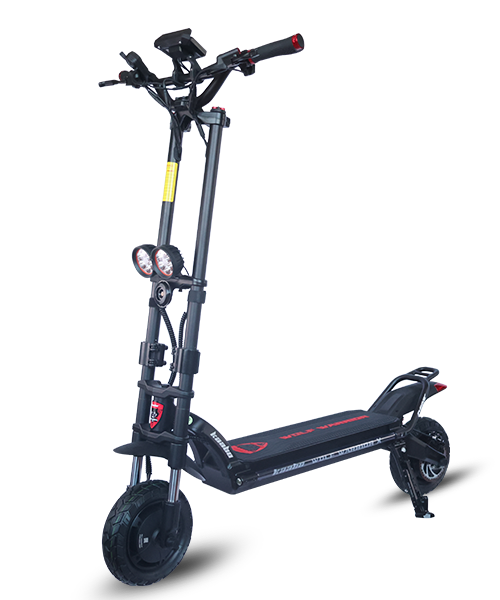
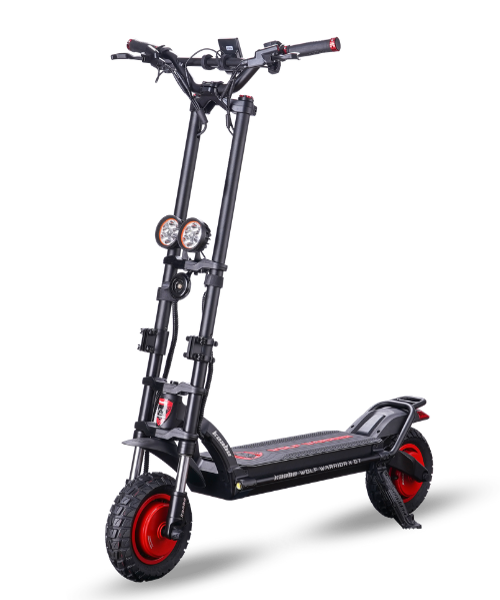
Brands like Kaabo have been instrumental in turning this dream into a reality. Known for their premium scooters like the Wolf King GT Pro and Wolf Warrior 11, Kaabo’s engineering excellence has made them a favorite among professional and amateur racers alike.

Kaabo’s mission, as stated on their official site, is to “push the limits of e-mobility through innovation and performance.” Their scooters combine power, precision, and durability, key traits required on the racetrack.

Other brands joining the movement include:

  • Dualtron — famous for their ultra-powerful Thunder 2.

  • Rion Motors — pioneers of hyper scooters reaching up to 160 km/h.

  • Nami Electric — blending luxury design with raw performance.

These manufacturers are helping shape the ecosystem around Electric Scooter Racing, creating opportunities for sponsorships, global tournaments, and even e-scooter clubs.


Economic and Cultural Impact

The growing popularity of Electric Scooter Racing is creating ripple effects across industries — from manufacturing to tourism.

  • Racing Events: Cities hosting e-scooter championships are attracting spectators, driving local tourism and hospitality revenue.

  • Sponsorship Opportunities: Brands in energy drinks, sportswear, and tech are investing in leagues and riders.

  • E-Mobility Innovation: Racing acts as a testing ground for new technologies that later benefit consumer scooters.

A 2024 study by McKinsey & Company highlighted that e-mobility could account for 20–25% of all short-distance transport by 2030, suggesting an even broader mainstream adoption of the technology.


Challenges Facing Electric Scooter Racing

Despite the hype, challenges remain:

  • Public Perception: Many still view scooters as toys, not sport machines.

  • Regulatory Barriers: Speed limits and legal restrictions in some countries slow down organized racing.

  • Infrastructure: Purpose-built tracks are limited, though urban circuits are becoming popular alternatives.

However, as more nations adopt e-mobility regulations and fans demand competitive events, these barriers are expected to fall.


The Future: A New Era of Extreme Sports

Electric Scooter Racing is at the intersection of technology, sustainability, and entertainment. Experts predict that, much like Formula E, it will soon feature international circuits, sponsorship deals, and celebrity riders.

With streaming platforms embracing niche sports, it’s only a matter of time before e-scooter racing becomes a household phenomenon.

Even traditional motorsport organizations are taking notice — viewing electric scooter racing as a gateway sport to attract younger, eco-conscious fans.


Frequently Asked Questions (FAQs)

1. How fast can racing electric scooters go?
Top racing scooters can exceed 100 km/h, with some custom builds even reaching 160 km/h.

2. Is Electric Scooter Racing safe?
When conducted under official regulations with proper gear and track safety, it’s relatively safe — though it remains an extreme sport.

3. Can anyone participate in e-scooter racing?
Yes. Amateur leagues and local clubs allow new riders to train and compete before progressing to professional levels.

4. What’s the difference between regular and racing e-scooters?
Racing scooters have stronger motors, larger batteries, better suspension, and aerodynamic designs optimized for high-speed control.

5. Are electric scooter races televised?
Yes, major leagues like the eSkootr Championship are broadcasted online and through sports channels worldwide.


Final Summary

The rise of Electric Scooter Racing marks a thrilling new chapter in the world of extreme sports. Blending speed, sustainability, and cutting-edge technology, it’s redefining what modern competition looks like.

As more riders, brands, and fans rally behind this movement, one thing is certain — the era of Electric Scooter Racing has just begun.

For those ready to dive deeper into the world of e-mobility and performance scooters, check out the latest models and racing-ready machines at Kaabo.com.

Contact Us

Address: 3rd Floor, Building B3, Shanshan New Energy Base, NO.238 Yunlin Middle Road,Haishu District, Ningbo Zhejiang

Email: [email protected]

Hotline: +86- 574- 8832 1118

Social Media
Social Media

No spam, notifications only about new products, updates.

Let's get in touch

WE'D LOVE TO HEAR FROM YOU​

100

Global Partners

60

Exporting countries

180

Registered patents

300 000

Global Riders