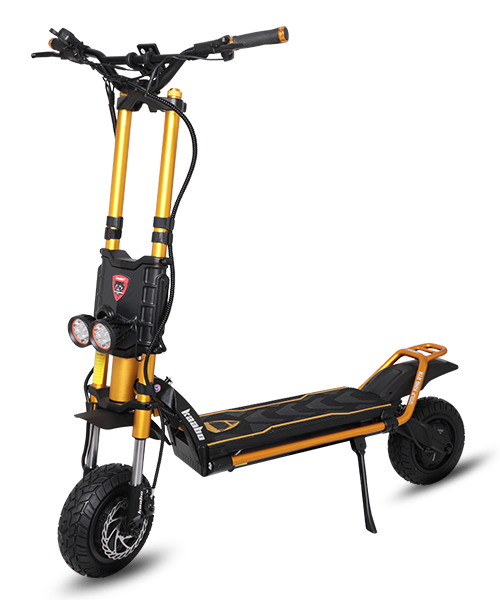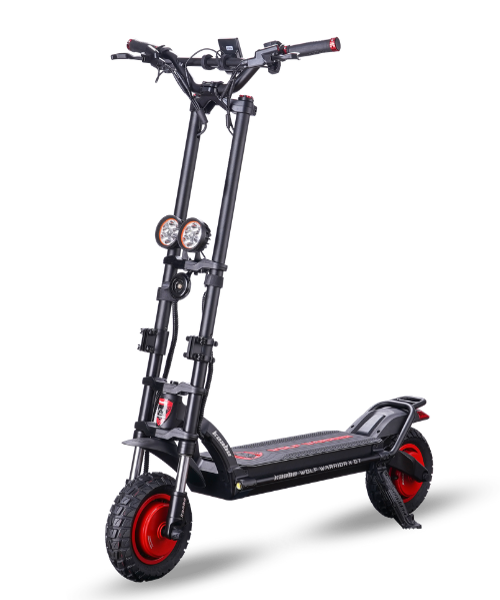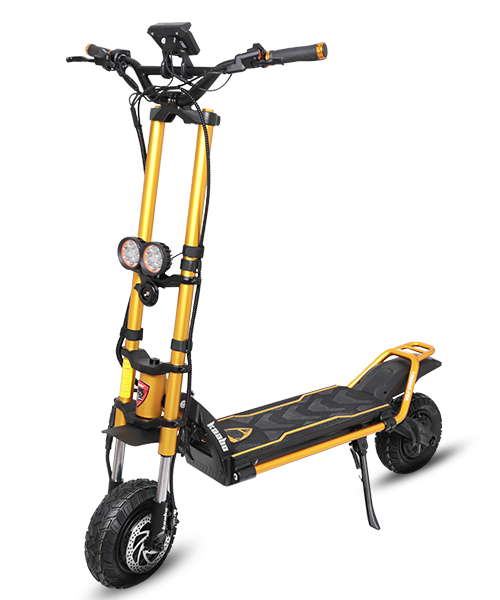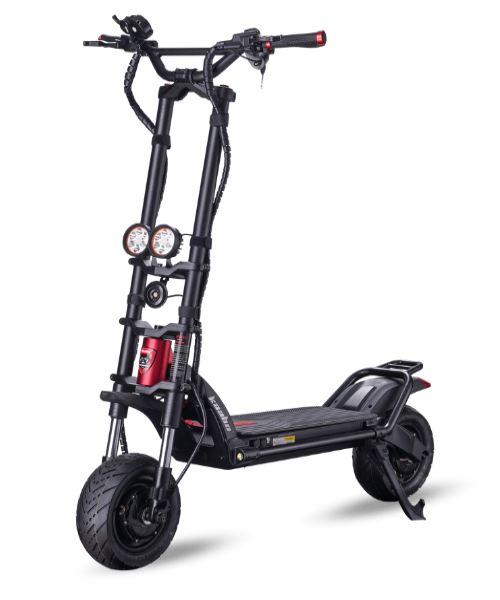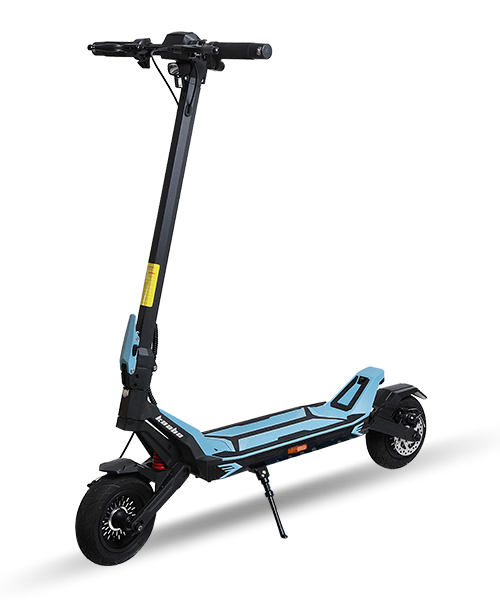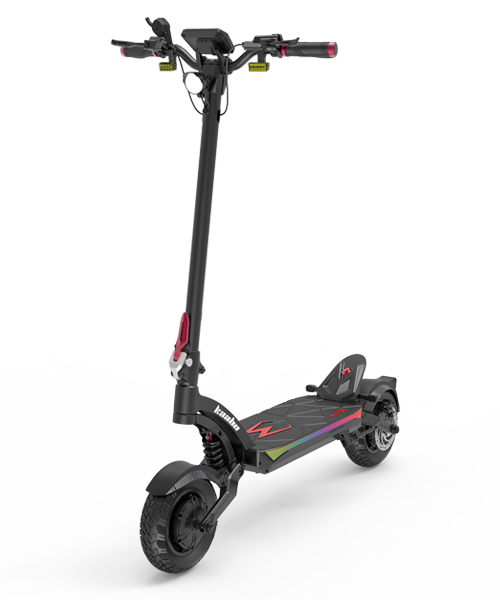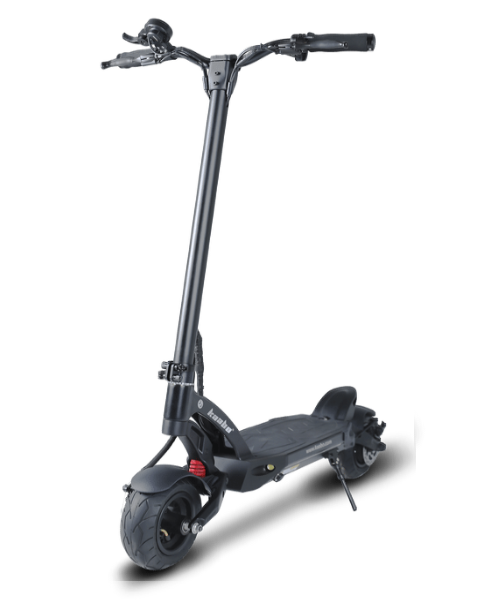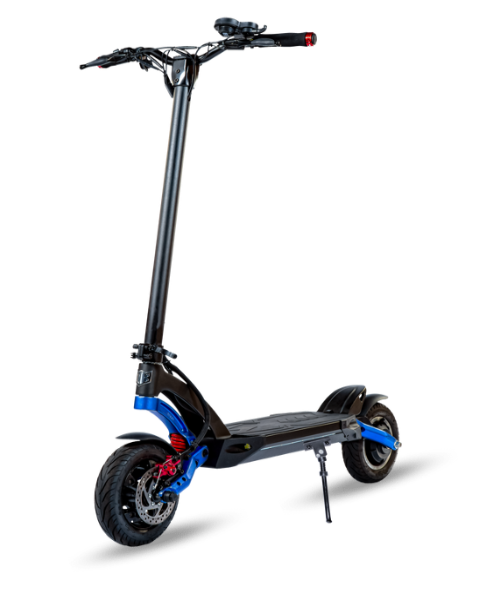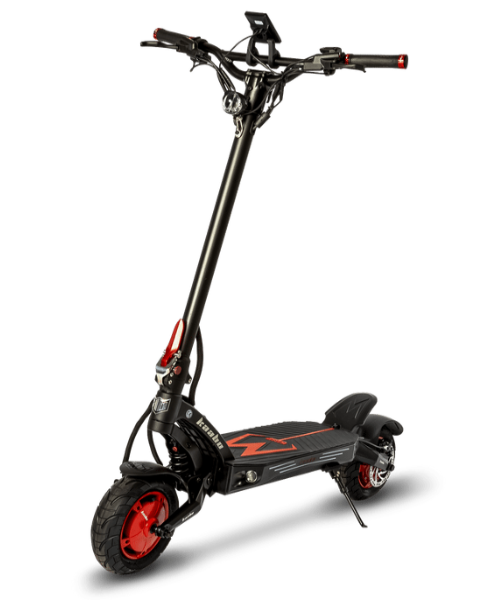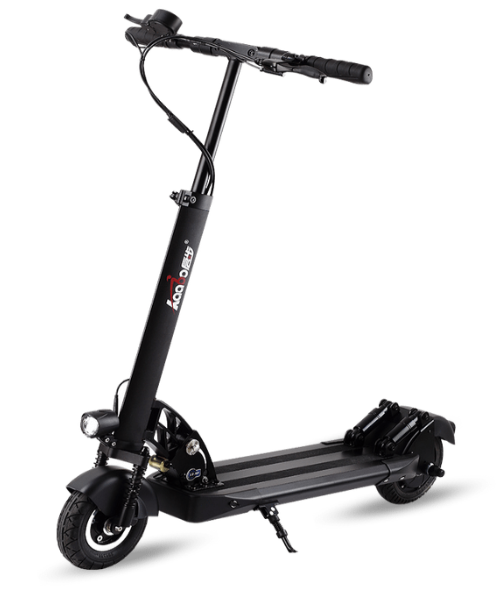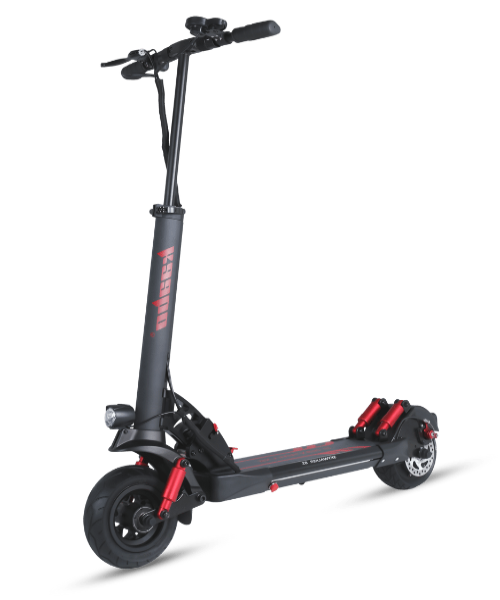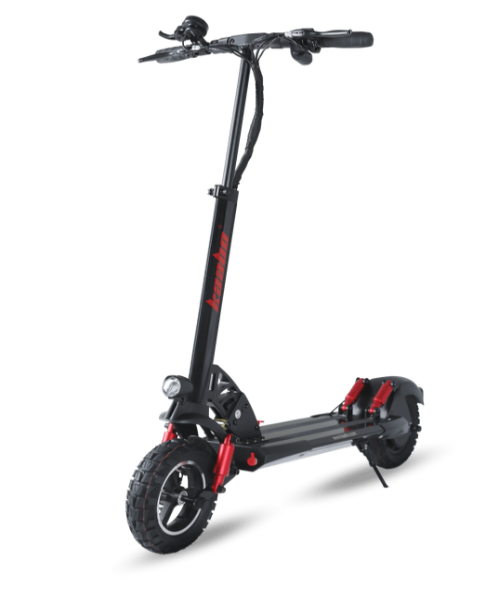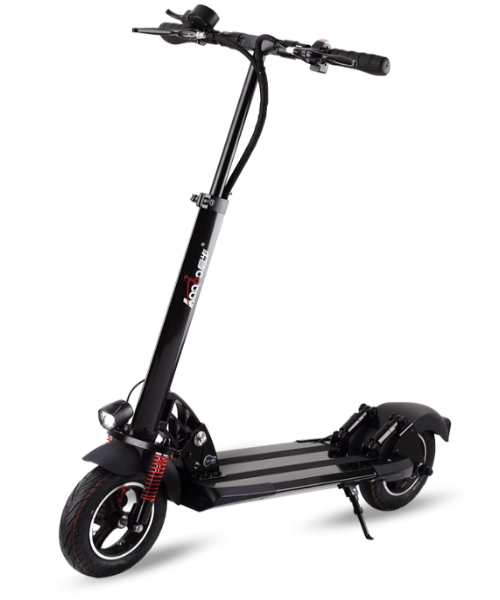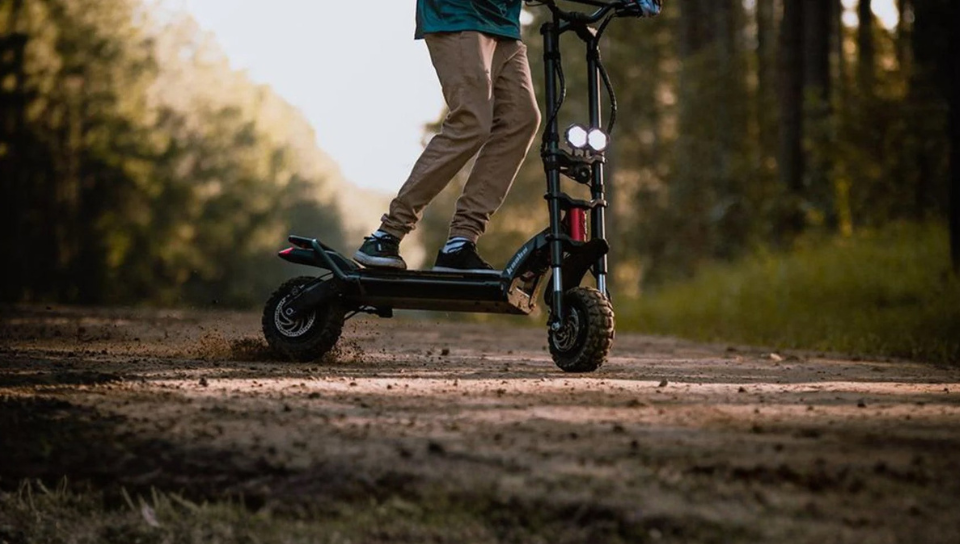
Every Kaabo electric scooter starts the same way — as an engineering problem. Riders demand speed, range, safety, and durability, often all at once. At Ningbo Kaabo Technology Co., Ltd., those demands drive every step of the electric scooter manufacturing process, from the first CAD sketch to the final quality check before shipping.
Kaabo operates its production facility at the Shanshan New Energy Base in Haishu District, Ningbo, Zhejiang, China — a region recognized as a hub for advanced electronics and vehicle production. The company produces over 40,000 e-scooters every year, backed by a portfolio of more than 150 patents. That scale reflects years of refining how electric scooters are built until every unit meets Kaabo’s performance and safety standards.
This article walks through exactly how a Kaabo scooter gets made. You will learn what materials go into the frame, how the battery and motor systems are assembled, and what certifications each scooter must pass before it reaches a rider.
Quick Answer: Kaabo electric scooters are manufactured by Ningbo Kaabo Technology Co., Ltd. at the Shanshan New Energy Base, Ningbo, Zhejiang, China. The electric scooter manufacturing process covers aerospace-grade 6061-T6 and 6082-T6 aluminum alloy frame construction, dual hub-motor assembly, Samsung Li-ion battery installation, and multi-stage safety testing against UL 2272, IEC 62133, and FCC standards — with 40,000+ units produced annually.
What Goes Into Electric Scooter Manufacturing at Kaabo?
Electric scooter manufacturing at Kaabo begins with one decision: materials. Kaabo builds its main frame and structural components from aerospace-grade 6061-T6 and 6082-T6 aluminum alloy, while the deck uses 6063 aluminum alloy. These specific grades offer an optimal balance — strong enough to carry a 150 kg (330 lbs) rider under dynamic, high-speed conditions, yet light enough to keep total scooter weight practical.
Aircraft-grade aluminum handles stress and vibration far better than standard alloys. That property matters most on scooters that reach 60+ mph over varied terrain.
Frame Engineering: Precision from the First Stage
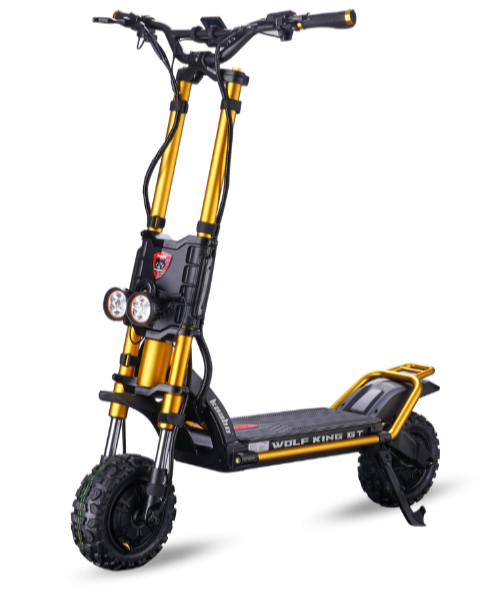
The frame is the structural backbone of every scooter, and Kaabo builds it through a forging process. Aluminum billets are shaped under high pressure rather than cast from liquid metal. Forging produces a denser, grain-aligned structure that resists cracking under impact. That is a critical property for performance models like the Wolf King GT, which is built for both rough off-road trails and high-speed road riding.
Handle and stem components use 6061 aluminum alloy, machined to tight tolerances at the folding joint. A loose or worn stem is a common weak point across many scooter brands. Kaabo addresses this through precision-machined fittings and multi-lock folding mechanisms that keep the stem rigid under rider load.
Motor Integration and Drivetrain Assembly
Motor integration follows frame assembly. Kaabo’s performance models use hub motors — brushless DC motors built directly into the wheel hub. This design eliminates the need for a separate drive chain or belt, removing maintenance points and reducing power loss between motor and wheel.
The Mantis King GT uses dual 1100W hub motors with a combined peak output of over 4,200W, delivering a top speed of 70 km/h. The Wolf King GT takes this further with dual 2000W motors, capable of reaching a verified top speed of 62 mph (100 km/h) and a maximum range of 180 km under optimal conditions.
Motor wiring is routed internally through the frame on most models — protecting cables from abrasion and weather while giving the scooter a cleaner, more durable build.
Inside the Kaabo Factory: Scale and Standards
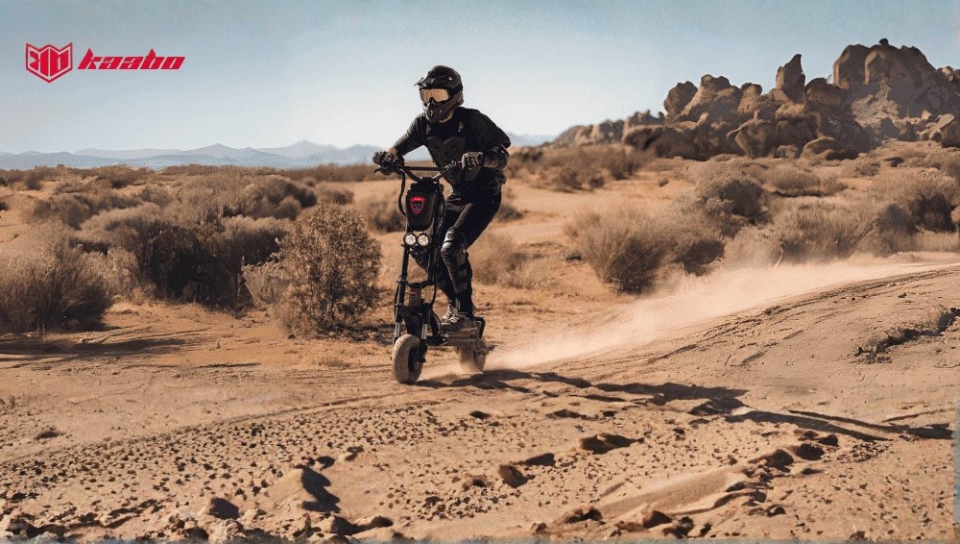
Kaabo’s Ningbo facility runs a hybrid production line — a combination of automated machinery and skilled manual assembly. Automated stations handle precision tasks such as motor housing alignment, battery cell welding, and frame drilling, where repeatability matters most. Skilled technicians manage assembly steps that require judgment: wiring routing, suspension calibration, and final-stage verification.
This hybrid approach keeps production consistent at scale. Building 40,000+ units per year means that every process must be standardized — not just most of them.
Learn more about the facility on the Kaabo factory page.
Suspension Setup and Calibration
Most Kaabo models feature front and rear independent spring twin shock absorbers. On higher-performance models like the Wolf King GT, fully adjustable hydraulic suspension is fitted at both axles. Each unit is set to specification during assembly, then checked for rebound damping before the wheel is installed.
Suspension calibration is not just a comfort concern. It directly affects braking stability and cornering behavior — especially at higher speeds where even small setup errors have real consequences.
Braking System Assembly
Kaabo fits mechanical disc brakes across its lineup, paired with an EABS (Electronic Anti-lock Braking System). The EABS applies regenerative motor braking alongside the physical disc brake, reducing wheel lock-up during hard stops. This combination gives riders confident braking without the rear wheel stepping out under sudden deceleration.
Brake caliper alignment is checked and adjusted at the assembly stage. Rotors are torqued to specification, and brake lever pull distance is set within a defined acceptable range before each unit advances to the next checkpoint.
Battery Systems: Cells, Management, and Safety
The battery is the most safety-critical part of any electric scooter. Kaabo sources Samsung Li-ion cells for key models in its range. The Mantis King GT uses a 60V / 25Ah Samsung pack, chosen for its proven cycle life, consistent discharge behavior, and lower thermal risk compared to lower-grade alternatives.
Every battery pack integrates a Battery Management System (BMS), which monitors cell voltage, temperature, current draw, and charge state in real time. If any parameter moves outside safe operating limits, the BMS cuts power automatically — protecting the rider and the pack during extreme riding or charging conditions.
The power system in Kaabo scooters carries UL 2271 certification, the North American standard for batteries in light electric vehicles. This is a third-party certification that requires independent testing of cells, BMS performance, and thermal behavior under both normal and fault conditions.
Quality Control and Safety Certifications That Back Every Build
Quality control in Kaabo’s electric scooter manufacturing process runs across multiple checkpoints — not just at the end of the line. Each major subsystem (frame, motor, battery, braking) is checked before full assembly. Furthermore, every completed scooter undergoes a functional ride test and systems check before it ships.
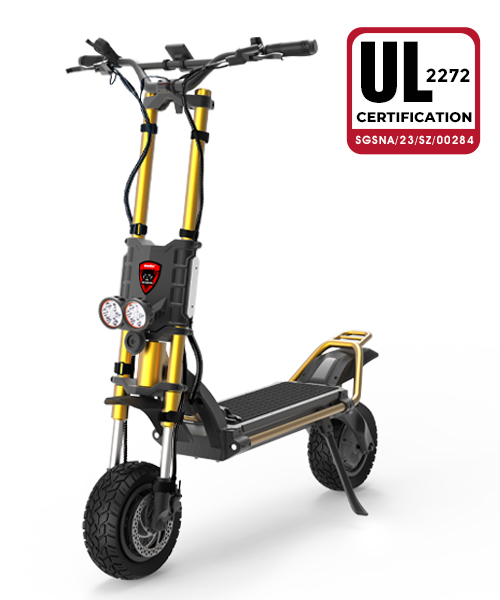
The most significant certification Kaabo holds is UL 2272, issued by SGS, one of the world’s leading independent testing and certification bodies. UL 2272 covers the entire electrical system of a personal e-mobility device — testing for electrical safety, mechanical integrity, and fire resistance. The certificate was formally issued at a signing ceremony in Ningbo in May 2023.
Full Certification Stack
| Certification |
Scope |
| UL 2272 |
Full system electrical safety — personal e-mobility devices |
| UL 2271 |
Battery pack safety for light electric vehicles |
| FCC |
Radio frequency compliance for the US market |
| IEC 62133 |
International battery cell safety standard |
| UN 38.3 |
Lithium battery transport safety |
| MSDS |
Material safety documentation for battery chemicals |
The Mantis X also carries an IPX5 waterproof rating for the scooter body and IPX7 for the display — meaning the body resists directed water jets from any angle, and the display can handle brief submersion.
Pre-Shipment Testing Protocol
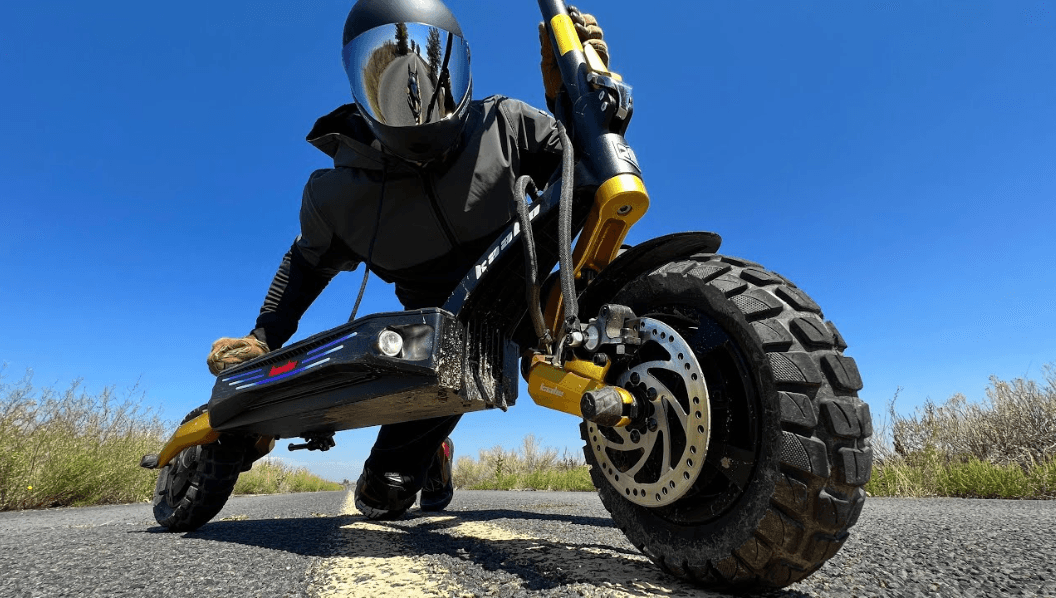
Before any unit leaves the factory, it goes through a ride test and a full functional check. Braking distance, motor throttle response, lights, display function, and folding mechanism operation are all verified against defined pass/fail criteria. Units that do not meet spec are pulled for rework before re-entering the final check sequence.
Kaabo’s Scooter Lineup: Where the Build Meets the Rider
The manufacturing process described above feeds four core product lines, each tuned to a different rider profile and use case.
| Model |
Motors |
Top Speed |
Range |
Best For |
| Wolf King GT |
Dual 2000W |
62 mph (100 km/h) |
180 km |
High-speed off-road and long-range riding |
| Mantis King GT |
Dual 1100W (4,200W peak) |
70 km/h |
90 km |
Balanced performance commuting |
| Wolf Warrior X |
Dual 1100W |
70 km/h |
40–50 km |
Urban roads and light off-road |
| Kaabo Urban |
Single 500W |
45 km/h |
40 km |
Daily city commuting |
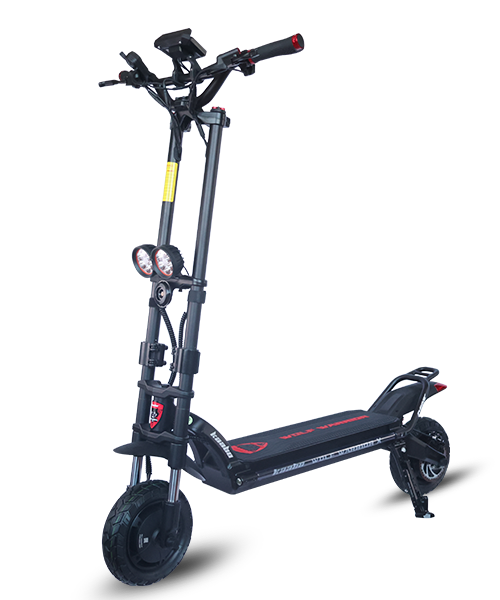
Every model in the table is built on the same manufacturing foundation: forged aluminum frame, hub motors, a BMS-protected Li-ion battery pack, and EABS braking. The difference between models is engineering priority — power vs. portability, range vs. weight. You can explore the full range and read about Kaabo’s history on the official about page.
Frequently Asked Questions
Where are Kaabo electric scooters manufactured?
Kaabo electric scooters are manufactured by Ningbo Kaabo Technology Co., Ltd. at the Shanshan New Energy Base, Haishu District, Ningbo, Zhejiang, China. The facility combines automated machinery and skilled manual assembly, producing over 40,000 scooters per year. Ningbo is one of China’s primary industrial centers for advanced electronics manufacturing and vehicle production.
What materials does Kaabo use in the electric scooter manufacturing process?
Kaabo uses aerospace-grade 6061-T6 and 6082-T6 aluminum alloy for the main frame and structural joints. The deck is built from 6063 aluminum alloy. These grades provide a high strength-to-weight ratio and strong resistance to stress cracking — properties that matter on a scooter carrying a 150 kg rider at high speed over rough terrain.
What safety certifications do Kaabo scooters carry?
Kaabo scooters are certified to UL 2272 (full system electrical safety), UL 2271 (battery pack safety), FCC (US radio frequency compliance), IEC 62133 (international battery cell standard), and UN 38.3 (lithium battery transport safety). UL 2272 was issued by SGS in May 2023. These are independently verified certifications — not self-declared compliance.
How does Kaabo ensure battery safety in its electric scooter manufacturing?
Every Kaabo battery pack integrates a Battery Management System (BMS) that monitors cell voltage, temperature, and current draw in real time, cutting power if any parameter exceeds safe limits. The power system holds UL 2271 certification, requiring third-party testing of battery behavior under both normal and fault conditions. Key models like the Mantis King GT use Samsung Li-ion cells for proven thermal stability.
Does Kaabo own its factory or use contract manufacturing?
Kaabo operates its own in-house production facility in Ningbo rather than relying on third-party contract manufacturers. This gives Kaabo direct control over build quality, component sourcing, and testing at every stage of the electric scooter manufacturing process. The company holds over 150 patents covering its product designs and production methods.
What is the waterproof rating of Kaabo scooters?
The Kaabo Mantis X carries an IPX5 rating for the scooter body — meaning it can handle water jets from any direction — and an IPX7 rating for the display, which can withstand brief submersion. IPX5 makes it suitable for riding in light rain and wet road conditions. Heavy water exposure or deep puddles are not recommended unless the specific model’s manual states otherwise.
Every Kaabo Scooter Earns Its Build
Understanding the manufacturing process behind a Kaabo scooter changes how you see what you are riding. The forged aluminum frame, the BMS-protected Samsung battery, the EABS-assisted disc brakes, and the UL 2272-certified electrical system are not marketing claims. They are the result of deliberate engineering choices made at the factory in Ningbo and verified by independent certification bodies.
Kaabo’s in-house manufacturing model — rather than trading-company rebadging — means that every design decision is backed by 150+ patents and tested against international standards before any unit ships. According to IEC standards for light EV batteries, certifications like IEC 62133 represent one of the most rigorous independent benchmarks for battery safety in portable electric devices. Kaabo meets that bar across its lineup.
Whether you ride the Kaabo Urban through city streets or push the Wolf King GT on technical off-road trails, the build behind the scooter is the same: verified materials, tested systems, and quality control that runs from the first frame weld to the final pre-shipment check.
 Español
 French